Mon–Fri 10:00–19:30 · Sat–Sun 10:00–18:00 (KST) · +82-2-6953-8433
en-US

Ultherapy Seoul Treatment: How It Works in 2026
Discover how Ultherapy Seoul treatment works at DoctorPetit Myeongdong non-invasive lifting, natural results and expert 1:1 care for women investing in themselves.
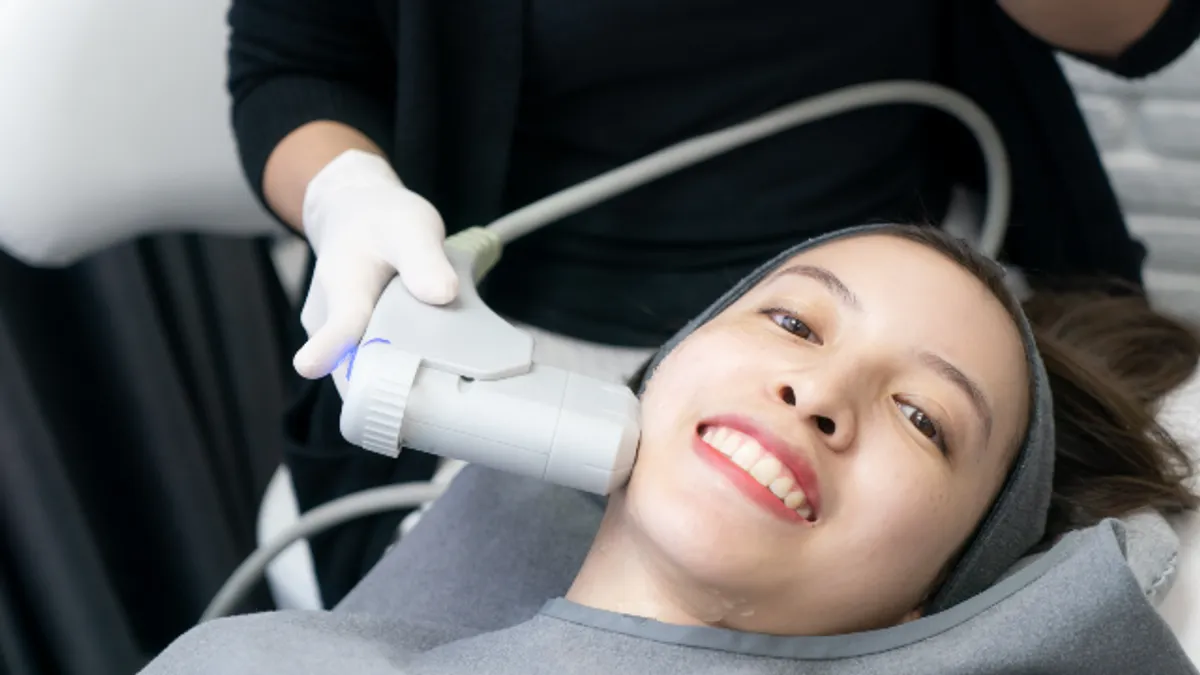
Introduction
You already know the feeling. You look in the mirror and you see a woman who feels vital, luminous, and absolutely in her prime but your reflection is not quite keeping up with that energy. You have watched the Miami aesthetic culture long enough to know exactly what you do not want: the pillow face, the frozen forehead, the look that telegraphs I had something done from across a dinner table. And then a trusted friend came back from Seoul looking like herself, just a sharper, lifted, more rested version, and something clicked.
That is the moment a lot of women in their 40s discover Ultherapy Seoul treatment. Not as a medical procedure, but as a quiet investment in the way they show up in the world.
Here is the frustration that brings you here the serums, the retinols, the expensive creams none of them can address the early structural softening you are noticing along your jawline, at your brow, and in the mid-face. And navigating the U.S. market for non-surgical lifting is exhausting, because the results so often look overdone, rushed, or just plain wrong. You want something sophisticated, subtle, and delivered by specialists who genuinely understand the difference between lifte" and altered.
By the end of this guide, you will understand exactly how Ultherapy Seoul treatment works at the cellular level in plain, honest English and whether you are the right candidate based on your age, skin concerns, and goals. You will see what realistic results look like for women in their 40s, how Seoul compares to Miami, New York, and Los Angeles for cost and quality, and what the DoctorPetit Myeongdong experience looks like from your first WhatsApp message all the way to your final, beautifully natural result.
With more than 20 years of experience in aesthetic medicine and a clinic philosophy built entirely around customized, natural-looking results, Dr. Kyung Deok Go and the DoctorPetit team have guided hundreds of international patients, including women from the United States, through transformative non-invasive lifting programs.
What Is Ultherapy Seoul Treatment and How Does It Actually Work?
Before you invest in any treatment, especially one you are traveling internationally to receive, you deserve a real, thorough explanation of the science. Not a glossy brochure version. Not the kind of vague "stimulates collagen" description you can find on any medspa website in ten seconds. Here is what is actually happening beneath your skin when you undergo Ultherapy, and why it is genuinely different from every other energy-based treatment on the market.
The Science of Ultrasound Therapy: What Happens Beneath Your Skin
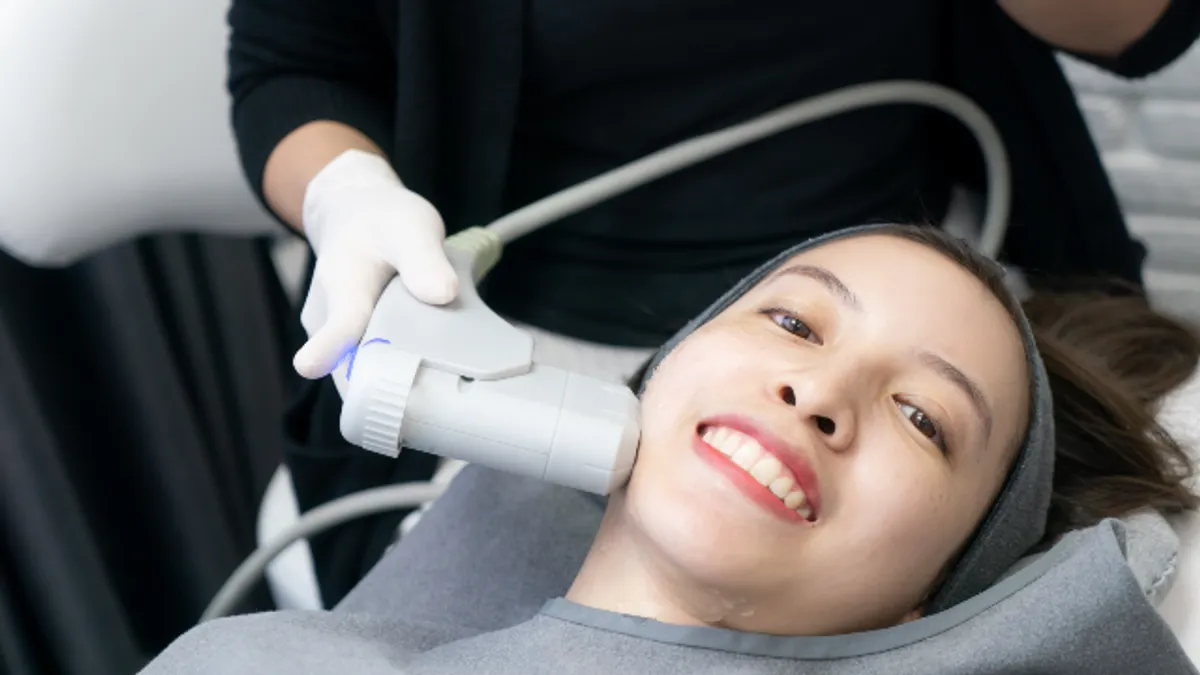
Ultherapy uses a technology called High-Intensity Focused Ultrasound, or HIFU. The key word is "focused." Think of it like a magnifying glass concentrating sunlight to a precise, intense point, except instead of light, we are focusing ultrasound energy, and instead of a surface, we are delivering that energy to specific depths beneath your skin while leaving the surface completely unaffected.
The treatment targets three distinct tissue depths: 1.5mm, which corresponds to the dermis; 3.0mm, which reaches the deep dermis; and 4.5mm, which delivers energy directly to the SMAS layer, the superficial musculo-aponeurotic system. Understanding the SMAS is critical to understanding why Ultherapy is in a category of its own. The SMAS is the structural scaffolding of your face. It is the same tissue layer that a plastic surgeon would reposition in a surgical facelift. It is the layer that actually determines your facial contour, the definition of your jawline, the position of your brow, and the firmness of your mid-face.
At each targeted depth, the focused ultrasound energy creates precise thermal coagulation points, which are tiny areas of controlled thermal injury. Your body responds to these points the same way it responds to any wound: it launches a healing response. That healing response produces new collagen and new elastin. The existing skin surface is left completely untouched throughout this entire process. No incisions. No ablation. No downtime from surface damage.
This is the fundamental differentiator between Ultherapy and surface-level treatments like radiofrequency or laser. Radiofrequency delivers heat in a diffuse, relatively shallow pattern. Laser energy interacts with the skin surface. Neither reaches the SMAS layer with the specificity that HIFU achieves.
What makes Ultherapy genuinely different from other energy-based treatments is the depth of delivery. We are working at the structural level, the SMAS layer, which is the same tissue a surgeon would address. The difference is we reach it without a single incision. Dr. Kyung Deok Go, Family Medicine and Aesthetic Medicine Specialist, DoctorPetit Myeongdong
What Does the Treatment Feel Like?
Honesty matters here. Ultherapy is not a pain-free experience, and any clinic that tells you otherwise is not giving you the full picture. What most patients describe is a series of brief, warm pulses, sometimes accompanied by mild tingling, felt at depth rather than at the skin surface. The sensations are most noticeable along the jawline and brow bone, where the tissue is closer to bone and the depth of energy delivery creates a more distinct sensation.
The intensity varies depending on the treatment area and your individual sensitivity. At DoctorPetit Myeongdong, a topical numbing cream is applied 30 to 45 minutes before your treatment begins to maximize your comfort throughout the session. Most patients find the sensation entirely manageable with this preparation.
A full-face Ultherapy treatment takes approximately 60 to 90 minutes. Partial-face or neck-only sessions are shorter. No sedation is required. You remain awake and comfortable throughout the entire treatment, which means there is no recovery period from anesthesia and no restriction on activities afterward from that perspective.
Ultherapy vs. Other Lifting Treatments: Understanding the Difference
One of the most common points of confusion for women considering non-invasive lifting is the question of how all these treatments relate to one another. The honest answer is that they are not competitors — they address different depths, different mechanisms, and different timelines. Understanding the distinction helps you make a genuinely informed decision about what is right for your anatomy and your goals. For a deeper dive on this topic, the Thermage vs. Ultherapy comparison guide explores these differences in additional clinical detail.
| Treatment | Technology | Depth | Result Type | Downtime | Duration of Results |
|---|---|---|---|---|---|
| Ultherapy | HIFU | Deep (SMAS, 4.5mm) | Gradual, structural lift | Minimal | 12 to 18 months |
| Thermage | Radiofrequency | Mid-depth | Surface tightening | None | 12 months |
| Thread Lift | Mechanical | Subdermal | Immediate reposition | 3 to 5 days | 12 to 18 months |
| Surgical Facelift | Surgical | Full structural | Dramatic transformation | 2 to 4 weeks | 5 to 10 years |
DoctorPetit physicians assess which treatment, or which combination of treatments, best serves each patient's specific anatomy, laxity level, and aesthetic goals. No one approach is pushed universally.
Are You the Right Candidate for Ultherapy? (Honest Assessment)
This is where a lot of clinics let their patients down. They describe the ideal Ultherapy candidate in such vague, optimistic terms that almost anyone walks in believing they will achieve dramatic results. That kind of overpromising does not serve you. What serves you is specificity an honest, clinically grounded assessment of whether Ultherapy is genuinely the right treatment for your age, your skin tone, your degree of laxity, and your goals. Here is that assessment.
The Ideal Ultherapy Candidate: Age, Skin Type, and Concerns
The ideal Ultherapy candidate is a woman between the ages of 30 and 60 who has mild to moderate skin laxity and who is either not ready for surgical intervention or simply not interested in it. The early signs that respond best to Ultherapy include brow descent, mid-face softening, a gradual loss of jawline definition, and early neck laxity. These are the structural changes that begin in the late 30s and accelerate through the 40s, and they are precisely the changes that Ultherapy's SMAS-level energy delivery is designed to address.
The sweet spot for Ultherapy candidacy is women in their early to mid-40s who have mild to moderate structural softening combined with lifestyle-induced textural change. This demographic tends to be among the most responsive Ultherapy patients because there is still meaningful collagen infrastructure in place to stimulate and support. Ultherapy does not create collagen from nothing it amplifies and reactivates your skin's own biological production. When that biological capacity is still robust, the results are at their most impressive.
It is equally important to be honest about Ultherapy's limitations. When laxity has progressed significantly, including significant jowling, deep neck banding, and substantial tissue descent, Ultherapy alone may not deliver the degree of improvement a patient is hoping for. In those cases, a combined approach that includes thread lifting, or a frank conversation about surgical consultation, serves the patient better than Ultherapy alone. At DoctorPetit, no patient is oversold. If the consultation reveals that a different approach is more appropriate, that is what you will hear.
In my clinical experience over 20 years, I have consistently observed that patients in their early 40s with mild mid-face laxity and good baseline skin quality respond most dramatically to Ultherapy. They often achieve a 5 to 8 year visual rejuvenation from a single treatment cycle, and the results look entirely natural because they are entirely biological.
Ultherapy for Latina, South Asian, and Non-Asian Skin Tones
This is a question that comes up frequently, and it deserves a direct, confident answer: yes. Ultherapy is completely safe and equally effective across all Fitzpatrick skin types, from Type I through Type VI. If you are a Latina woman, a South Asian woman, a woman of African heritage, or any other non-Asian heritage, your results from Ultherapy will be identical to those experienced by patients of any other background. The mechanism is the reason.
The concern that some women of color rightly carry into aesthetic consultations is rooted in light-based treatments, specifically lasers and IPL systems, where the energy interacts with melanin in the skin. Darker skin tones carry more melanin, which means light-based devices must be calibrated carefully and sometimes cannot be used at full effectiveness without risk of hyperpigmentation or burns. Ultherapy does not work with light energy at all. It works with ultrasound energy, which has no interaction with melanin whatsoever. The ultrasound waves pass through the skin and deliver energy to the targeted depth based entirely on tissue structure, not pigment.
This means that at DoctorPetit Myeongdong, a woman visiting from Miami with Fitzpatrick Type IV or Type V skin will receive the same precise, effective energy delivery as any other patient. The protocol is adapted to anatomy and laxity level, not to skin color.
DoctorPetit's international patient population reflects this reality. The clinic routinely serves women from the United States, Europe, Southeast Asia, South Asia, and Latin America. Non-Asian skin types are not an exception to the practice they are a standard and routine part of it.
Ultherapy is one of the most skin-tone-inclusive treatments we offer. Because it works with ultrasound energy rather than light, melanin is completely irrelevant to the treatment. A patient from Miami and a patient from Seoul will receive the same effective energy delivery the protocol is adapted to anatomy and laxity level, not skin color. Dr. Se Rim Oh, Aesthetic Dermatology Specialist, DoctorPetit Myeongdong
When Ultherapy May NOT Be the Right Choice
Honest candidacy assessment means being transparent about contraindications. Ultherapy is not appropriate for patients with active skin infections, open lesions, or severe cystic acne in the treatment area. Patients with metallic implants, including certain dental hardware, within the treatment zone should disclose this during consultation. Pregnancy is an absolute contraindication.
Patients with very advanced laxity should have an honest conversation about whether Ultherapy alone will meet their goals, and whether a combined approach including thread lifting or a surgical referral would better serve them. DoctorPetit's consultation process is specifically designed to identify the right treatment for each individual, and that process sometimes means recommending something other than what a patient came in expecting. That honesty is a feature, not a limitation.
The Ultherapy Treatment Experience at DoctorPetit Myeongdong
One of the biggest invisible barriers for first-time international patients is not the treatment itself it is the logistics. The "what happens when I actually get there" anxiety. The worry about navigating a foreign clinic, communicating your concerns in a second language, and making a significant aesthetic decision thousands of miles from home. This section is designed to walk you through every step of the DoctorPetit experience, from your first WhatsApp message to the moment you leave the clinic. For additional peace of mind, the aesthetic treatments abroad safety guide and the what to expect on arrival guide are both worth reviewing as you plan your visit.
Before You Arrive: The Pre-Consultation Process
Here is one of the most meaningful differences between DoctorPetit Myeongdong and nearly every other aesthetic clinic model: you can have your complete treatment plan fully designed, reviewed, and confirmed before you board your flight to Seoul.
DoctorPetit's pre-consultation process happens over WhatsApp in English. You will share your name, age, primary skin concerns, treatment interests, and 2 to 3 photographs taken in natural light without makeup a front-facing image, a 45 degree angle shot, and a side profile. A qualified physician or senior patient coordinator reviews this information and responds with a personalized, written treatment recommendation, typically within 24 to 48 hours. This is not an automated response. It is a genuine physician-reviewed recommendation specific to your anatomy and goals.
Because your treatment plan is confirmed in writing before you travel, there are no surprises on arrival. No unexpected upselling. No discovering on the day of treatment that what you planned is not quite right. If your pre-consultation has been thorough, same-day consultation and treatment is also available upon arrival, which matters when your Seoul itinerary is time-sensitive.
Booking timeline recommendation: secure your appointments 4 to 6 weeks before your travel dates, particularly if you are visiting during peak periods in spring (March through May) or autumn (September through November), when both international tourist and aesthetic patient volumes are highest.
Your Treatment Day: Step by Step
Understanding exactly what happens on the day of treatment takes the guesswork out of the experience entirely. Here is the full sequence at DoctorPetit Myeongdong.
Step 1: Arrival. DoctorPetit is located in central Myeongdong, approximately a 5 minute walk from Myeongdong subway station and within easy walking distance from most major tourist hotels in the area. The location is one of the most internationally navigable neighborhoods in all of Seoul.
Step 2: Welcome and Intake. Upon arrival, you will be welcomed by the patient coordinator and guided through an English language intake review. Your medical history, treatment goals, and pre-consultation notes are confirmed.
Step 3: Physician Consultation. You will meet 1:1 with Dr. Go or Dr. Oh for a personal consultation. This is the moment to confirm your treatment plan, review the specific areas to be treated and the energy settings to be used, and ask any remaining questions you have. This is a genuine medical consultation, not a sales appointment.
Step 4: Topical Numbing. Numbing cream is applied to all treatment areas and left in place for 30 to 45 minutes while it takes full effect.
Step 5: Treatment Delivery. Your Ultherapy treatment is performed by the physician personally, not delegated to a technician. This is a non-negotiable standard at DoctorPetit. The treatment takes approximately 60 to 90 minutes for a full-face session.
Step 6: Post-Treatment Assessment. The physician reviews the treated areas, confirms that the treatment was delivered as planned, and provides your aftercare instructions in written English form. These instructions are also sent to your WhatsApp for reference throughout your recovery.
Total clinic time for a full-face Ultherapy session is approximately 2.5 to 3 hours from arrival to departure.
Recovery and Downtime: What to Expect
Immediately after your treatment, you may notice mild redness, slight swelling, and a warm sensation in the treated areas. In most patients, these effects resolve within 2 to 4 hours. You will not look dramatically different when you leave the clinic. You will look like yourself, perhaps slightly flushed.
In the 1 to 3 days following treatment, some patients experience mild tenderness to touch along the jawline and brow bone as the treated tissue responds to the energy delivered. Visible bruising is relatively uncommon but can occur in some patients, particularly along the jawline. Social and professional activities can typically be resumed within 24 to 48 hours, and makeup can be applied the following day.
For the first 48 hours post-treatment, avoid intense heat sources including saunas and steam rooms, vigorous physical exercise, and strong active skincare ingredients such as retinol and AHAs. After 48 hours, your normal routine can fully resume.
For travel planning purposes: Ultherapy can comfortably be performed 2 to 3 days before your planned departure date. Many patients spend the same evening after treatment sightseeing around Myeongdong or visiting Insadong with no visible effects beyond very mild flushing.
I always tell international patients: Ultherapy is one of the most travel-compatible treatments we offer. You can have your treatment on a Thursday and be comfortable at a dinner or event on Friday evening. The work is happening inside, where it cannot be seen. Dr. Kyung Deok Go, Family Medicine and Aesthetic Medicine Specialist, DoctorPetit Myeongdong
Ultherapy Results: What to Realistically Expect After Your Seoul Treatment
This is the section where honest, evidence-based expectation-setting matters most. The "overdone" fear is real, and it is legitimate. You have seen what happens when aesthetic treatments are applied too aggressively or by practitioners who mistake volume and lift for rejuvenation. You do not want that. What you want is to look like the best version of yourself, the version you recognize from photographs taken in 2016 or 2017, when your jawline was defined and your brow sat exactly where it should. Here is what Ultherapy actually delivers, on an honest timeline, for women in their 40s.
The Results Timeline: Week by Week, Month by Month
The single most important thing to understand about Ultherapy results is that they are not immediate. The treatment triggers a biological process, which is collagen remodeling, that unfolds over months. This is not a weakness of the treatment. It is precisely why the results look natural. Your skin is improving through its own biological mechanisms, not through external volume or mechanical repositioning.
| Timeframe | What Is Happening | What You Notice |
|---|---|---|
| Week 1 to 4 | Collagen remodeling initiated | Subtle firmness in some patients; minimal visible change |
| Month 2 to 3 | New collagen formation accelerates | Improved jawline definition; early brow elevation beginning |
| Month 3 to 6 | Peak collagen production period | Maximum visible lifting; best before and after comparison point |
| Month 6 to 12 | Results stabilize | Maintained lift; ongoing improvement in skin quality |
| Month 12 to 18 | Gradual natural aging resumes | Maintenance treatment recommended for sustained results |
Weeks 1 through 4 are the patient experience that requires the most trust. Some patients notice a subtle firmness during this period; most notice very little visible change. The work is genuinely happening inside, at the tissue level, and your patience during this window is rewarded in the months that follow.
By months 2 and 3, most patients begin noticing something meaningful: improved definition along the jawline, a subtle elevation of the brow, and a general sense that the face looks slightly cleaner and more structured. This is the collagen formation reaching an early visible threshold.
The peak result window for most patients occurs between months 3 and 6. This is when the highest concentration of new collagen has been produced and organized, and it is the ideal time to take comparative photographs. Most patients in the 38 to 50 age range with mild to moderate laxity experience a 20 to 30 percent improvement in visible lifting and firmness from their baseline at this point.
From month 6 onward, results stabilize. The natural aging process continues, but the collagen infrastructure built during the treatment period continues to support your skin's structural integrity, meaning your skin ages more gracefully during this period than it would have without treatment.
Most patients find results last comfortably for 12 to 18 months. Annual or every 18 month maintenance treatments sustain those results long-term and are particularly accessible for patients who incorporate Seoul visits into regular Asia travel.
What Natural Ultherapy Results Actually Look Like
Let us address the "overdone" fear directly. Ultherapy cannot produce an unnatural result. This is not marketing language — it is mechanistic reality. The treatment does not add volume. It does not change your facial anatomy. It does not alter your expressions or your movement. Everything that improves after Ultherapy improves because your own body produced new collagen and your own structural tissue responded to that collagen. The improvement is entirely biological, entirely your own, and entirely consistent with how your face is naturally supposed to look.
For a woman in her early to mid-40s with mild to moderate laxity, the typical Ultherapy result includes improved jawline definition that reads as sharper rather than pulled, a subtle brow elevation that opens the eye area without looking surprised, firmer mid-face contour, and an overall improvement in skin luminosity as the cellular level regeneration improves skin quality from the inside out.
If you find yourself thinking "I want to look the way I looked in 2016 or 2017," that is a realistic, evidence-based goal for a single treatment cycle at DoctorPetit Myeongdong. A 43 year old patient who visited the clinic from Miami described her result at the 5 month mark as looking like she finally got enough sleep and remembered to drink water, but for her whole face. That is the Ultherapy result. Recalibrated. Refreshed. Entirely yourself.
The patients who are most satisfied with Ultherapy are those who want to look like themselves, just a more rested, more defined version. That is exactly what well-performed Ultherapy delivers. It is not a dramatic transformation. It is a recalibration. Dr. Se Rim Oh, Aesthetic Dermatology Specialist, DoctorPetit Myeongdong
How Many Sessions Do You Need?
For most patients aged 38 to 50 with mild to moderate laxity, a single full-face treatment delivers satisfying, lasting results. This is one of the practical advantages of Ultherapy for the international patient: one well-planned visit to Seoul can produce a full year or more of improvement.
Some patients with more advanced laxity, or those seeking a more significant degree of improvement, may benefit from a second treatment delivered at 6 to 12 months after the first. DoctorPetit's 1:1 consultation determines the exact number of transducers used, the energy settings applied, and the specific areas treated there is no standardized package that every patient receives. Your treatment is designed for your face, your anatomy, and your goals.
For ongoing results, most patients return annually or every 18 months for a maintenance treatment. Many DoctorPetit international patients incorporate this schedule naturally into regular travel to Seoul, combining their maintenance treatment with the cultural and culinary richness of the city.
Ultherapy Cost in Seoul vs. Miami, New York and Los Angeles

The cost conversation is one of the most important and most avoided topics in international aesthetic medicine. Clinics in Seoul often present vague pricing, and patients arrive uncertain about what they will actually pay. That opacity is not how DoctorPetit operates. Here is a transparent, specific, honest cost comparison and a frank analysis of the full value equation.
What Does Ultherapy Cost in Seoul?
At DoctorPetit Myeongdong, Ultherapy is priced in Korean Won (KRW), with USD equivalent guidance provided during your pre-consultation communication. As of January 2026, the pricing ranges for Ultherapy treatments are approximately as follows.
A full-face Ultherapy treatment at DoctorPetit is approximately $800 to $1,400 USD equivalent, depending on the number of transducers used and the specific areas treated based on your individualized treatment plan. Partial-face options are also available: a brow and forehead lift treatment runs approximately $300 to $500 USD equivalent; a lower face and jawline treatment runs approximately $400 to $600 USD equivalent; and a neck treatment is approximately $300 to $500 USD equivalent.
These prices include the physician consultation, pre-treatment numbing preparation, the full treatment performed by the physician and never by a technician, a post-treatment physician assessment, written aftercare instructions in English, and WhatsApp follow-up availability after you return home. There are no hidden consultation fees and no on-arrival price changes from what was communicated in your pre-consultation.
It is important to note that KRW pricing should always be confirmed at the time of booking, as exchange rates fluctuate. DoctorPetit provides USD equivalent guidance in all pre-consultation communication. For the most current and detailed pricing information, the full cost comparison guide provides comprehensive and regularly updated figures.
Seoul vs. U.S. City Cost Comparison
The comparison below reflects medspa and dermatology clinic standard market rates for Ultherapy across major U.S. cities in 2026, compared against DoctorPetit's premium boutique positioning in Seoul.
| Location | Full Face Ultherapy | Partial Face | Physician-Delivered? | Estimated Savings vs. Seoul |
|---|---|---|---|---|
| DoctorPetit Seoul | $800 to $1,400 | $300 to $600 | Always | — |
| Miami, FL | $2,500 to $4,500 | $900 to $1,800 | Varies (often technician) | Save $1,700 to $3,100 |
| New York, NY | $3,000 to $5,000 | $1,000 to $2,000 | Varies | Save $2,200 to $3,600 |
| Los Angeles, CA | $2,800 to $4,500 | $900 to $1,800 | Varies | Save $2,000 to $3,100 |
| Chicago, IL | $2,200 to $3,800 | $800 to $1,500 | Varies | Save $1,400 to $2,400 |
The cost differential is significant on its own, representing 40 to 60 percent savings compared to equivalent treatment in Miami or New York. But the full value equation is even more compelling when you account for the total trip. A round-trip flight from Miami to Seoul typically costs between $700 and $1,200 USD depending on timing and booking window. When you add that to the DoctorPetit treatment cost and compare the total to the cost of a Miami or New York Ultherapy appointment alone, you are not spending significantly more and in many cases you are spending less. The difference is that in Seoul, the combined investment includes physician-delivered 1:1 care, one of the world's most fascinating cities to explore, and a cultural experience that transforms a medical appointment into something genuinely memorable.
Our patients are often surprised to discover that the cost difference between Seoul and their home city more than covers their entire travel budget. But more importantly, they receive a level of 1:1 physician attention that is genuinely difficult to find in a busy American medspa environment. Dr. Kyung Deok Go, Family Medicine and Aesthetic Medicine Specialist, DoctorPetit Myeongdong
Combining Ultherapy With Other Treatments in Your Seoul Visit
One of the genuine advantages of traveling to Seoul for aesthetic treatment is the ability to address multiple dimensions of facial aging in a single, well-planned visit. At DoctorPetit, combination treatment programs are not just available they are thoughtfully designed around the complementary logic of what each treatment addresses, sequenced appropriately to maximize results and minimize recovery overlap.
Smart Treatment Combinations: What Works Well With Ultherapy
To understand why combination treatments work so well together, it helps to think about facial aging as a three-dimensional process affecting three distinct layers simultaneously. Ultherapy addresses the deep structural layer, which is the SMAS, delivering gradual, foundational lift from the inside out. PDRN/Rejuran skin booster addresses the mid-layer, working at the cellular level to improve skin quality, reduce inflammation, stimulate tissue repair, and restore luminosity. And micro-dose natural Botox addresses the surface and muscle layer, softening dynamic expression lines without freezing movement or altering expression.
Together, these three treatments address every dimension of the aging that women in their 40s are most concerned about, which includes loss of structural lift, declining skin quality, and the visible etching of dynamic lines. No single treatment achieves all three. The combination achieves all three with subtlety and precision.
The recommended treatment sequencing for the combination program is as follows: Ultherapy on Day 1 or 2 of your Seoul visit, followed by a 48 hour minimum recovery window, then PDRN/Rejuran skin booster on Day 3 or 4, with micro-dose Botox either on the same day as the Rejuran treatment or scheduled as a separate appointment based on your physician's recommendation.
The total cost estimate for this three-treatment combination program at DoctorPetit is approximately $1,500 to $2,500 USD equivalent. Compare that to the equivalent treatments in Miami, where the combined cost would typically range from $8,000 to $15,000, and where physician-delivered 1:1 care for each treatment would not be guaranteed.
Your 5-Day Seoul Treatment Itinerary (Sample)
The following is a sample framework designed to show how a 5-day Seoul visit can comfortably accommodate the full treatment combination while leaving ample time to experience everything the city has to offer. The actual itinerary for your visit would be built 1:1 with the DoctorPetit team based on your specific treatment plan and travel schedule. For a comprehensive planning guide, the 5-day Seoul treatment itinerary article provides detailed logistical guidance for U.S. visitors.
| Day | Activity | Treatment and Recovery Notes |
|---|---|---|
| Day 1 | Arrival at Myeongdong; check-in at hotel; evening physician consultation at DoctorPetit | Consultation only; no treatment today; rest and acclimatize |
| Day 2 | Full-face Ultherapy treatment at DoctorPetit; afternoon rest; gentle evening walk through Myeongdong | Mild redness and warmth post-treatment; social activities comfortable by evening |
| Day 3 | Recovery day; K-beauty skincare shopping in Myeongdong; Gyeongbokgung Palace visit or Insadong cultural exploration | No treatment; avoid heat and active skincare; enjoy the city |
| Day 4 | PDRN/Rejuran skin booster and micro-dose Botox at DoctorPetit; minimal downtime; evening dinner | Very minimal downtime; comfortable for dining and light activities |
| Day 5 | Final physician check-in at DoctorPetit; written aftercare documentation received; departure preparation | Written aftercare provided; WhatsApp support activated for post-return follow-up |
This framework is achievable, well-tolerated, and produces comprehensively superior results compared to any single-treatment visit. It also leaves room to experience Seoul as the remarkable city it is, not just as a medical destination.
Why Choose DoctorPetit Myeongdong for Ultherapy
The Seoul aesthetic medicine market is large, competitive, and uneven in quality. Choosing the right clinic for your Ultherapy treatment is at least as important as choosing the treatment itself. Here is a specific, evidence-based account of what makes DoctorPetit Myeongdong the right choice for international patients seeking natural, physician-delivered lifting results.
Our Physicians' Expertise and Experience
Dr. Kyung Deok Go is a Family Medicine Specialist with more than 20 years of experience in aesthetic medicine and personalized skin treatments. Dr. Go personally performs all Ultherapy treatments at DoctorPetit the treatment is never delegated to a technician. His practice encompasses more than 600 aesthetic procedures annually, and he is a specialist in customized treatment planning for international patients. His approach to Ultherapy is notable for the level of individualization applied to each treatment: energy settings, transducer selection, and treatment areas are all calibrated specifically to each patient's anatomy, not drawn from a standardized protocol.
Dr. Se Rim Oh is an Aesthetic Dermatology Specialist with specific expertise in non-invasive skin rejuvenation and laser treatments, including Ultherapy and HIFU-based lifting protocols. Dr. Oh has extensive experience working with patients of diverse ethnicities, including non-Asian skin types, and brings particular depth of knowledge to the combination of energy-based treatments with injectable and skin booster programs. Her work with international patients from the United States, Europe, and Latin America reflects the full range of Fitzpatrick types that DoctorPetit routinely serves.
Dr. Lee Jeong Ryeong is an Aesthetic Medicine Specialist focusing on customized cosmetic dermatology with a patient-centered approach to combined treatment programs. Dr. Lee's expertise complements the clinic's comprehensive treatment offerings, particularly for patients seeking integrated programs that address multiple dimensions of skin aging in a single visit.
All three physicians hold board credentials through the Korean Medical Association and maintain certifications and memberships in aesthetic medicine specializations consistent with international clinical standards. Every treatment at DoctorPetit is physician-delivered this is not a policy exception but an absolute clinical standard.
The DoctorPetit Difference: Boutique 1:1 Customized Care
The term "1:1 care" can mean different things at different clinics. At DoctorPetit, it means something specific and verifiable. The clinic maintains limited daily appointment slots to ensure that no patient is processed through an assembly line. Every treatment plan is individually designed following a thorough consultation. The energy settings applied during your Ultherapy treatment, the transducers selected, and the areas treated are all customized to your specific anatomy and goals, not drawn from a default protocol applied to every patient.
DoctorPetit uses only genuine, manufacturer-verified Ultherapy equipment and consumables produced by Merz Aesthetics, the device's manufacturer. The clinic does not substitute alternative brands or use counterfeit products. Patients are welcome to verify device authenticity during their consultation, and this transparency is part of the clinic's standard practice.
The natural-result philosophy that underpins everything at DoctorPetit is not a marketing position. It is a genuine clinical commitment that shapes every treatment decision. The goal is always structural improvement that enhances without altering, producing results that look like the best version of you, not a version that signals "procedure" to everyone you encounter.
Myeongdong itself is an important part of the DoctorPetit advantage for international patients. It is one of Seoul's most internationally navigable and tourist-friendly neighborhoods, with excellent English-language signage, proximity to major hotels, and the Myeongdong subway station within a 5 minute walk of the clinic. Navigating your way to and from treatment is straightforward even for a first-time solo visitor.
International Patient Support
DoctorPetit's support for international patients extends through the entire patient journey in a way that is genuinely rare among aesthetic clinics. English-language consultation is available throughout: in your pre-consultation WhatsApp exchange, during your in-clinic consultation, and in all aftercare documentation. The clinic's dedicated patient coordinator for international visitors manages appointment scheduling, treatment planning communication, and travel timing guidance with the specific needs of international patients in mind.
After you return to the United States, DoctorPetit remains accessible. WhatsApp support is available for post-return questions and concerns. Written aftercare documentation is provided in clinical-quality English. Telemedicine follow-up consultations are available for international patients who have specific concerns about their recovery or results after returning home.
Payment is straightforward: international credit cards are accepted, USD equivalent pricing is provided in advance during pre-consultation communication, and there are no hidden fees or on-arrival price changes.
How to Book Your Ultherapy Treatment at DoctorPetit
You are now informed. You understand the science, the realistic results, the candidacy criteria, the cost comparison, and the full patient experience. The only thing left is the decision, and the first step is simpler than you might expect.
Step 1: Start With a Free WhatsApp Pre-Consultation
Send DoctorPetit a WhatsApp message with the following information: your name, age, primary skin concerns, treatment interests, and 2 to 3 photographs taken in natural light without makeup. These photographs should include a front-facing image, a 45 degree angle shot, and a side profile. These photographs give the physician team the information they need to make a genuine, specific treatment recommendation rather than a generic one.
A qualified physician or senior patient coordinator will review your submission and respond with a personalized written treatment recommendation, typically within 24 to 48 hours. This pre-consultation is completely free and carries no obligation to book. Its purpose is to ensure that you have accurate, personalized guidance before you make any travel or treatment commitments.
Ideal pre-consultation timing is 6 to 8 weeks before your planned travel dates, which gives you sufficient time to review the recommendation, ask follow-up questions, and make informed decisions about your itinerary.
Step 2: Confirm Your Appointment and Travel Dates
Once you have received your pre-consultation response and are ready to proceed, confirm your preferred treatment dates with the DoctorPetit team. The clinic will hold your appointment slot upon booking confirmation. Provide your Seoul arrival and departure dates so the team can build a treatment-day recommendation that accounts for appropriate recovery time before any professional commitments or return flights.
A treatment planning document will be provided to you in writing before your arrival, so you know exactly what to expect at every stage of your clinic visit. There are no surprises.
Contact DoctorPetit Myeongdong
📞 Phone: +82269538433
💬 WhatsApp: Click Here
📧 Email: info@doctorpetitmyeongdong.com
🌐 Website: </>
📍 Location: Jung-gu, Myeongdong, Seoul, South Korea
🕐 Hours: The clinic operates Monday through Friday from 10:00 AM to 7:30 PM, offering consistent weekday availability. On weekends, it remains open with slightly shorter hours, from 10:00 AM to 6:00 PM on both Saturday and Sunday, ensuring convenient access for patients throughout the week.
Frequently Asked Questions
Q. How Does Ultherapy Work for Skin Lifting?
Ultherapy Seoul treatment uses High-Intensity Focused Ultrasound (HIFU) to deliver precise thermal energy to three distinct tissue depths beneath the skin, including the SMAS layer at 4.5mm. This energy creates controlled thermal coagulation points that trigger the body's natural collagen production response, producing gradual structural lifting from the inside out. The skin surface remains completely unaffected throughout the treatment.
Q. How Long Do Ultherapy Results Last?
For most patients, Ultherapy results from non-invasive lifting in Seoul are visible for 12 to 18 months following peak collagen production, which typically occurs between months 3 and 6 post-treatment. Skin tightening Seoul patients often maintain their results long-term through annual or every 18 month maintenance treatments, which preserve the collagen infrastructure built during the initial treatment cycle.
Q. How Many Ultherapy Sessions Do I Need?
Most women aged 38 to 50 with mild to moderate laxity achieve satisfying results from a single Ultherapy Seoul treatment, which is one of the key practical advantages for international patients. Patients with more advanced laxity or those seeking more significant non-invasive lifting improvement may benefit from a second treatment at 6 to 12 months. DoctorPetit's physician consultation determines the appropriate protocol for each individual patient.
Q. Is Ultherapy Safe for Latina or Darker Skin Tones?
Yes. Ultherapy is completely safe across all Fitzpatrick skin types from Type I through Type VI. Because ultrasound therapy uses acoustic energy rather than light energy, melanin plays absolutely no role in how the treatment works or how it is delivered. There is no risk of the hyperpigmentation or surface damage associated with light-based treatments for darker skin tones. The protocol is adapted to anatomy and laxity level, not to skin color.
Q. What Is the Downtime After Ultherapy?
Ultherapy downtime is minimal, making it an excellent choice for recovery-conscious travelers. Most patients experience mild redness and swelling that resolves within 2 to 4 hours. Some tenderness along the jawline may persist for 1 to 3 days. Most patients return to normal social and professional activities within 24 to 48 hours of their non-invasive lifting treatment. Makeup can be applied the following day. Saunas, vigorous exercise, and strong active skincare are avoided for 48 hours post-treatment.
Q. How Much Does Ultherapy Cost in Seoul vs. the USA?
Ultherapy cost Seoul at DoctorPetit Myeongdong ranges from approximately $800 to $1,400 USD equivalent for a full-face treatment. In comparison, skin tightening Seoul is significantly more affordable than the U.S. market, where the same treatment ranges from $2,500 to $5,000 depending on city. Even when travel costs are factored in, the total investment for a Seoul visit is typically lower than or equal to a domestic U.S. treatment-only appointment, with the added benefit of physician-delivered care and a world-class cultural experience.
Q. Can I Combine Ultherapy With Rejuran or Botox in the Same Seoul Visit?
Yes, and it is one of the most popular treatment combinations at DoctorPetit Myeongdong. Ultherapy Seoul treatment addresses deep structural lift, PDRN skin booster treatment addresses cellular-level skin quality, and micro-dose Botox addresses dynamic muscle movement. Together they provide comprehensive rejuvenation across all three dimensions of facial aging. The recommended sequencing is Ultherapy on Day 1 or 2, followed by Rejuran and Botox at least 48 hours later. The total combination program costs approximately $1,500 to $2,500 USD equivalent.
Q. What Is the Difference Between Ultherapy and Thermage?
Ultherapy uses ultrasound therapy (HIFU) to reach the deep SMAS layer at 4.5mm, delivering structural lift through collagen remodeling at the foundational tissue level. Thermage uses radiofrequency energy, which works at a shallower mid-depth range and produces surface-to-mid-depth tightening rather than deep structural repositioning. Both are forms of non-invasive lifting, but they address different depths and produce different result types. The two treatments can also be used as a complementary combination for patients seeking both structural depth and surface quality improvement.
Q. When Will I See Results After Ultherapy?
Ultherapy results develop gradually because they depend on your body's own collagen stimulation process. Most patients notice subtle firmness beginning in weeks 1 to 4, with more visible improvement appearing at months 2 to 3 as collagen formation accelerates. Peak results are typically reached between months 3 and 6 post-treatment, which is the ideal point for comparative photography. The collagen remodeling process means results look completely natural as they develop.
Q. Is Ultherapy Performed by a Doctor at DoctorPetit?
Yes, always. At DoctorPetit Myeongdong, every Ultherapy Seoul treatment is performed personally by a licensed physician, either Dr. Kyung Deok Go or Dr. Se Rim Oh, and is never delegated to a non-physician technician. This is an absolute clinical standard at the clinic, not an exception. Physician-delivered treatment ensures that energy settings, transducer selection, and treatment areas are determined and executed with full medical expertise throughout the session.
Conclusion
Ultherapy Seoul treatment at DoctorPetit Myeongdong delivers genuine structural lifting at the SMAS layer, the same foundational tissue that surgical facelifts address, reached without a single incision and without a day of serious downtime. It is safe and equally effective for Latina, South Asian, and non-Asian skin tones because ultrasound energy has no interaction with melanin. Results develop gradually over 3 to 6 months and typically last 12 to 18 months, producing that recalibrated appearance that looks exactly like the most vital, most defined version of you and never a version that looks altered or overdone. Seoul pricing represents 40 to 60 percent savings compared to Miami or New York, making the investment, particularly when combined with the cultural richness of a Seoul visit, a genuinely compelling proposition for any woman who takes her self-investment seriously.
With Dr. Kyung Deok Go's 20 years of aesthetic medicine expertise and DoctorPetit's unwavering commitment to 1:1 customized, physician-delivered care, you are in the hands of a team that will treat your goals with the same precision and thoughtfulness they apply to every patient who walks through their doors.
Your next chapter starts with a single WhatsApp message. Contact DoctorPetit Myeongdong today to begin your free pre-consultation share your goals, your photographs, and your questions, and receive a personalized treatment recommendation from our physician team within 48 hours. Your Ultherapy Seoul treatment journey begins the moment you decide you are ready.
About the Author
Dr. Kyung Deok Go, Family Medicine Specialist
Lead Aesthetic Physician, DoctorPetit Myeongdong, Seoul, South Korea. Dr. Go brings more than 20 years of experience in aesthetic medicine and personalized skin treatments to every patient consultation and treatment. He performs more than 600 aesthetic procedures annually and specializes in 1:1 customized treatment planning for international patients, with particular expertise in Ultherapy, non-invasive lifting, and combined anti-aging programs. All treatments at DoctorPetit Myeongdong are physician-delivered under his clinical leadership.
For consultations: +82269538433 | WhatsApp | info@doctorpetitmyeongdong.com
More articles
How to Rehydrate Skin Post-Fraxel Treatment
Discover how to rehydrate skin post-Fraxel treatment with expert tips to soothe, heal, and restore your glow. Learn the best skincare steps now!
Maintaining Lifting Results: When to Book Your Next Session
Discover how to maintain your lifting results and know exactly when to book your next session for lasting strength and performance gains. Learn more now!
What Is Lifting/Anti-Aging? Procedures, Results & Risks
Explore Lifting/Anti-Aging procedures, from non-surgical HIFU to SMAS facelifts. Learn about expected results, recovery times, and potential risks. Read more!
HA Filler Restylane Juvéderm Types Longevity Guide
Explore the differences between HA filler Restylane Juvéderm. Learn about types longevity and reversibility at DoctorPetit Myeongdong in Seoul. Book now
Back to Work Glow-Up: Skin Treatments with Zero Downtime
Refresh your look with zero-downtime skin treatments perfect for your back-to-work glow-up. Discover quick, effective options today!

Can You Workout After Thread Lifting? Here’s What to Know
Discover if you can work out after thread lifting, how long to wait, and tips for safe recovery. Stay fit without risking results—learn more now!
Face Slimming for Round Faces: Options That Work in Weeks
Discover effective face slimming options for round faces that show results in weeks. Explore top methods for a slimmer, more defined look.
LIZNE vs. Juvederm: What’s Better for Skin Texture Improvement?
Compare LIZNE vs. Juvederm for skin texture improvement. Discover which filler delivers smoother, rejuvenated skin. Learn more in our expert guide.
Is IPL a Good Idea for Maintenance? Pros and Cons
Explore the pros and cons of IPL for maintenance. Discover if it's right for long-term hair removal. Learn more before booking your next session!
ZERO Fat Injections: Melt Fat Without Surgery
Melt stubborn fat without surgery using ZERO Fat Injections. Discover this non-invasive treatment for fast, safe body contouring. Learn more today!
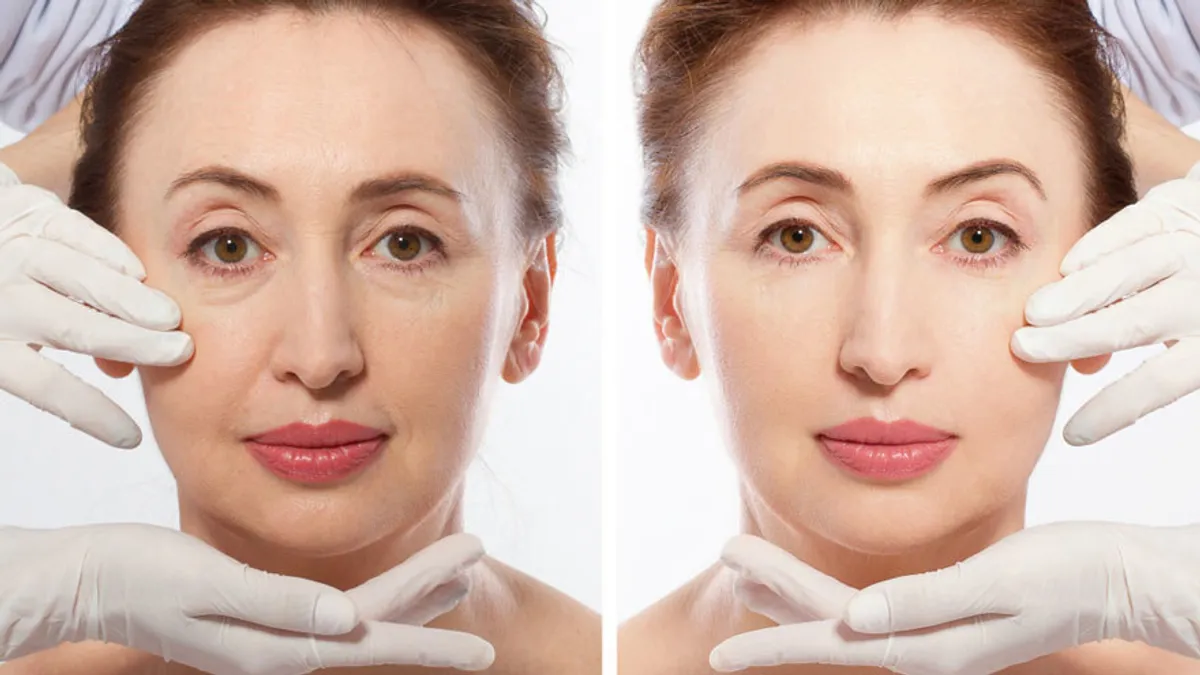
Mini Contouring Treatments That Show in Time for Your Photoshoot
Get camera-ready fast with mini contouring treatments that deliver visible results just in time for your photoshoot. Learn more & glow with confidence!
Best Petit Treatments to Do Before a Big Event
Discover the best petit treatments to glow before your big event. Quick, effective beauty boosts for radiant, event-ready skin. Learn more now!

How to Extend the Effects of Your Slimming Treatment
Discover effective tips to extend the effects of your slimming treatment. Maintain results longer with smart habits. Learn how to stay slim!
Do Vitamin Drips Help with Skin Whitening? Here's the Science
Discover the truth about vitamin drips for skin whitening. Explore the science, benefits, and risks behind this trending beauty treatment. Learn more now!
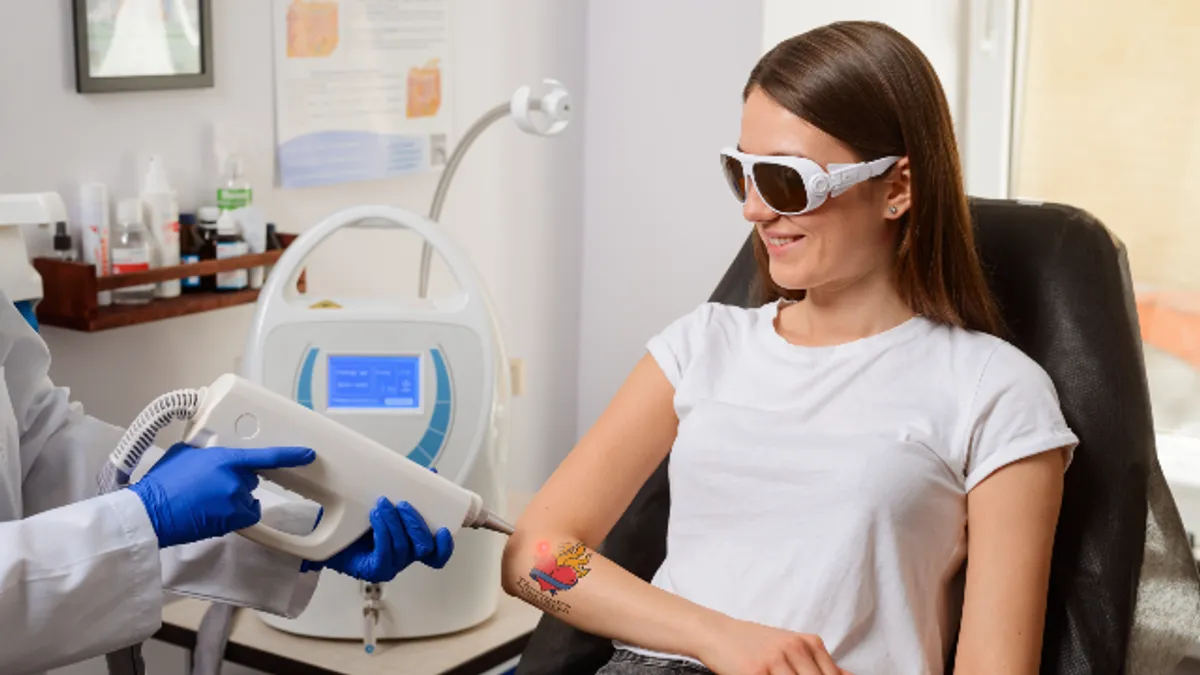
Tattoo Removal Seoul Laser vs USA: 2026 Full Guide
Is tattoo removal faster and cheaper in Seoul than the USA? Compare laser methods, session counts, costs and results for American patients 2026 guide.
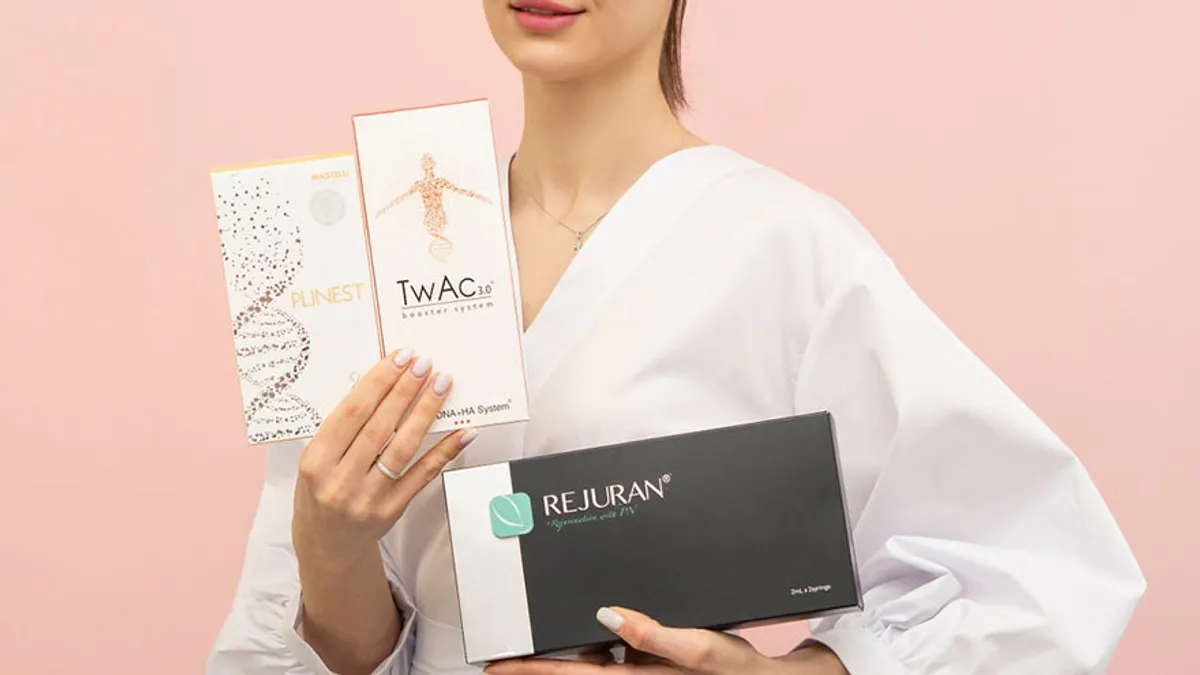
Is Rejuran Right for Acne-Prone Skin? Here’s What to Know
Discover if Rejuran is right for acne-prone skin. Learn benefits, risks, and expert tips to help you decide. Find out more in this guide!
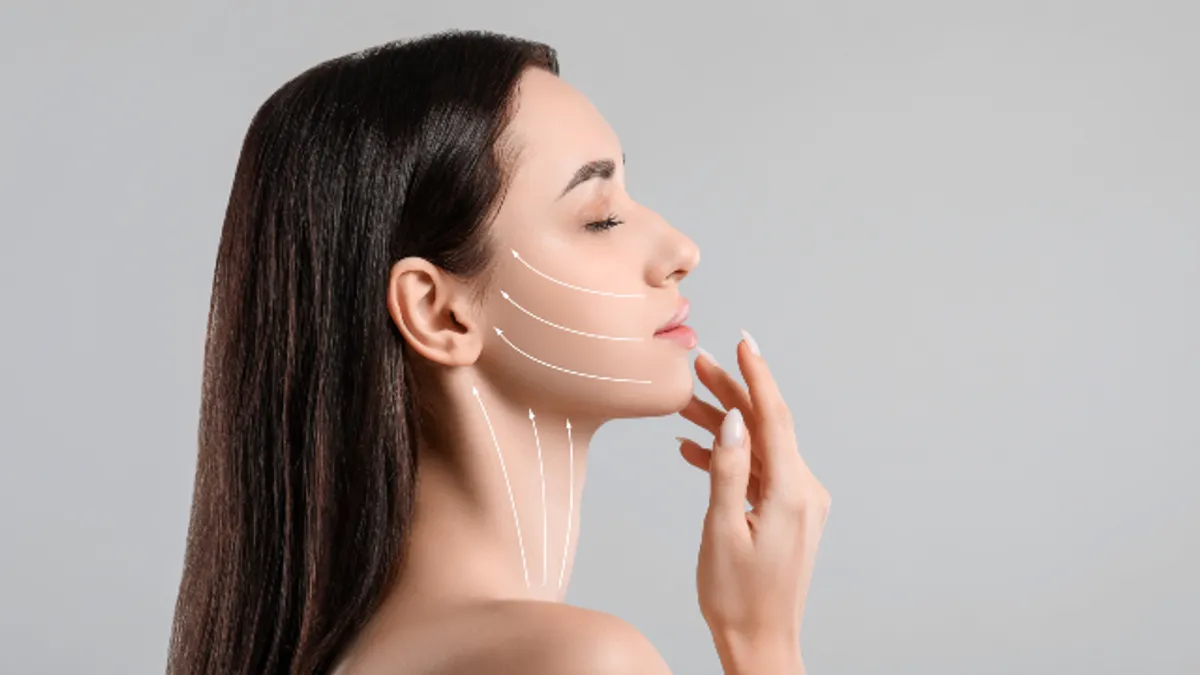
Lifting/Anti-Aging : What to Expect | DoctorPetit Myeongdong
Discover what to expect from Lifting/Anti-Aging treatments at DoctorPetit Myeongdong. Expert guidance on results, recovery, and premium Seoul aesthetic care.
The Top 5 Mistakes Patients Make When Booking Aesthetic Treatments
Avoid common pitfalls with aesthetic treatments. Discover the top 5 mistakes patients make before booking—know what to avoid. Learn more today!
Laser Hair Removal Seoul Korea: 2026 Complete Guide
Planning laser hair removal in Seoul Korea? Compare costs vs NYC, LA and Miami, learn which laser suits your skin type and discover DoctorPetit's 1:1 customized approach.

Dr. Lee Jeong-ryeong Reviews And Before & After: Doctorpepit
Read patient reviews and explore before-and-after results by Dr. Lee Jeong-ryeong at Doctorpepit Myeongdong in Korea, known for advanced aesthetic treatments and natural results.