Mon–Fri 10:00–19:30 · Sat–Sun 10:00–18:00 (KST) · +82-2-6953-8433
en-US

Tattoo Removal Seoul Laser vs USA: 2026 Full Guide
Is tattoo removal faster and cheaper in Seoul than the USA? Compare laser methods, session counts, costs and results for American patients 2026 guide.
Introduction
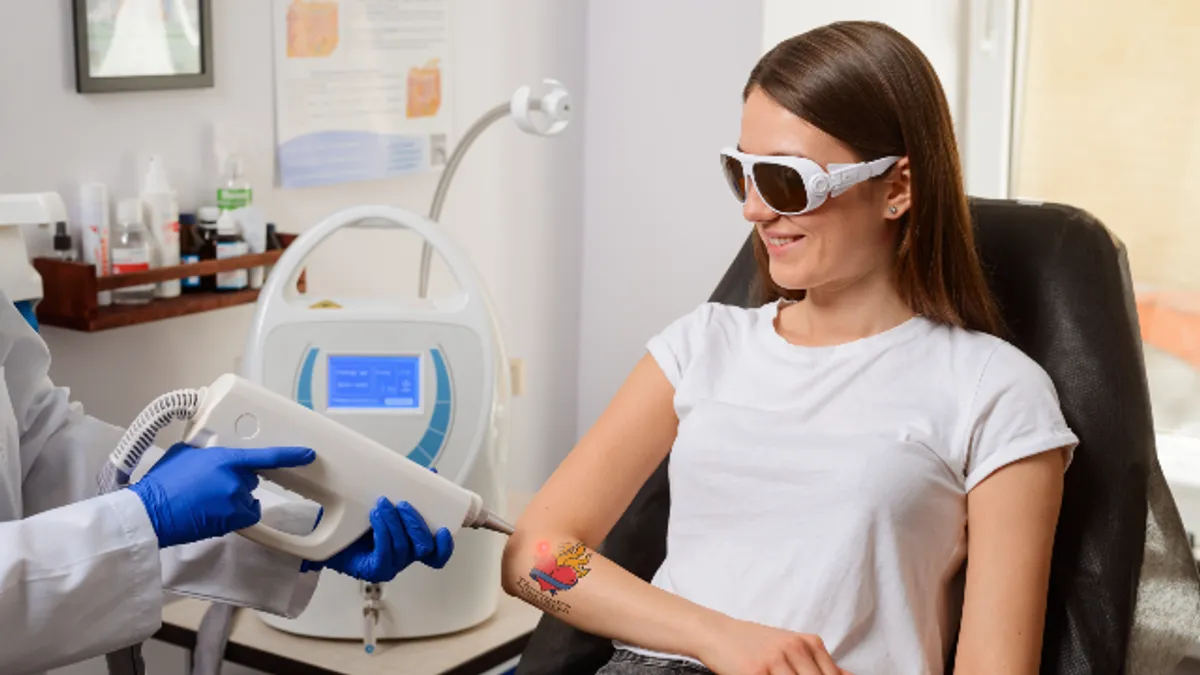
If you have been putting off Tattoo Removal because of the cost, the session count, or the slow results at your local U.S. clinic, you are not alone. Thousands of American patients are now quietly choosing tattoo removal Seoul laser clinics, where faster technology, lower pricing, and shorter session intervals are changing what removal actually looks like in 2026.
In the United States, tattoo removal is time-consuming, expensive, and often frustrating. Average programs span 8 to 15 sessions spread across 18 to 24 months, at costs that regularly exceed $3,000 to $6,000 for a medium-sized tattoo. What most American patients do not know is that Seoul's dermatology clinics have adopted the same and in many cases more advanced laser technology at significantly lower price points, with shorter intervals between sessions that compress the total removal timeline dramatically.
In more than 20 years of aesthetic medicine practice, I have watched laser technology evolve dramatically, and the protocols we use in Seoul today for tattoo removal are genuinely more advanced than what most American patients are being offered at standard medspas. Dr. Kyung Deok Go, Family Medicine and Aesthetic Medicine Specialist, DoctorPetit Myeongdong
How Tattoo Removal Seoul Laser Clinics Work and Why the Protocol Differs from the USA
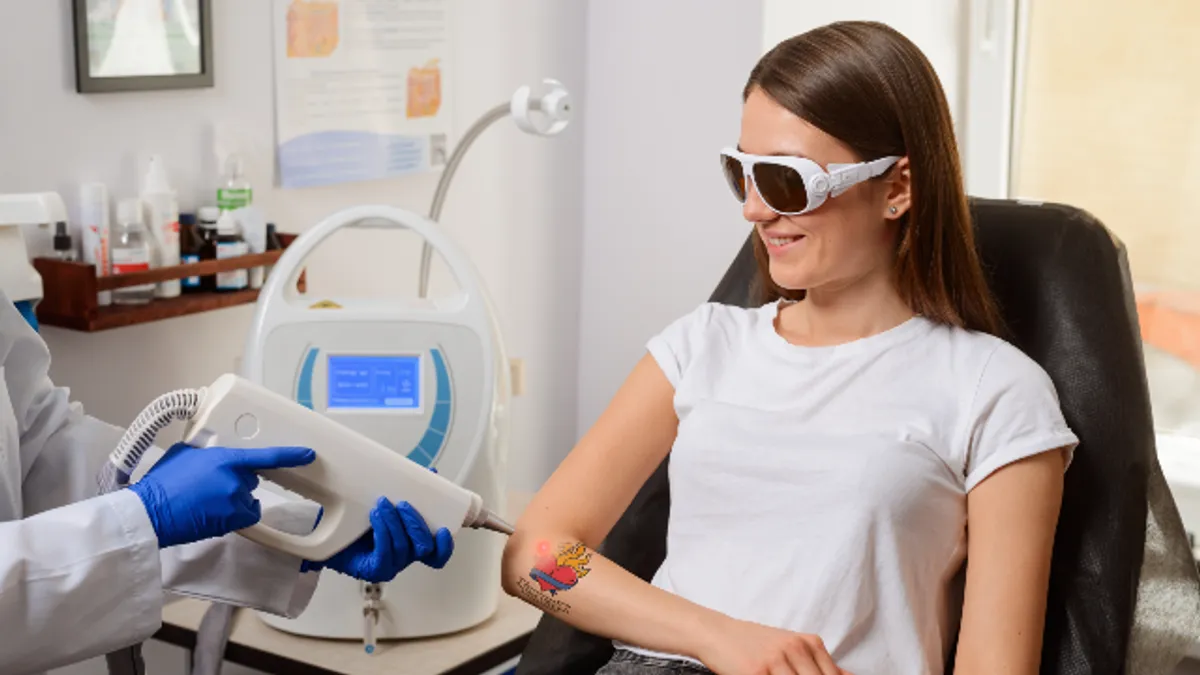
Most American patients have only ever experienced tattoo removal at a medspa or dermatology clinic where a trained technician operates the laser following a standardized protocol. Seoul does things differently, and that difference starts the moment you walk through the door.
The Korean Dermatology Approach to Tattoo Removal
In Seoul, tattoo removal is treated as a medical procedure from beginning to end. Every session is performed by a licensed physician, not a laser technician or aesthetician. This distinction matters more than most patients realize, because the quality of your outcome depends directly on the clinical judgment behind every parameter setting.
At DoctorPetit Myeongdong, every patient begins with a physician-led consultation. Before any laser is switched on, the treating doctor assesses four critical factors the depth of the ink in the skin, the full color spectrum present in the tattoo, the patient's Fitzpatrick skin type, and the age of the tattoo. Only after this assessment is a device and protocol selected. There is no standardized package applied uniformly to every patient, regardless of what their tattoo actually looks like.
Korean protocols also use shorter intervals between sessions. Where the U.S. standard recommendation from most American medspas is 6 to 8 weeks between sessions, Seoul dermatology clinics typically schedule patients at 4 to 6 week intervals, based on clinical observation of healing speed and collagen regeneration data. This compression in interval length is one of the primary reasons that total program timelines are meaningfully shorter in Seoul than in the United States.
If you are also curious about skin treatments unavailable in the USA, including regenerative therapies like Rejuran Healer that are only accessible through Korean dermatology clinics, that is a separate category worth exploring alongside your tattoo removal planning.
Why Seoul Has Adopted Advanced Laser Technology Faster
South Korea's aesthetic medicine market is one of the highest-density and most competitive in the world. That competitive pressure drives something that the U.S. medspa market simply does not replicate at the same pace: faster technology adoption and significantly shorter device upgrade cycles. A Seoul dermatology clinic that is not operating the most current generation of laser equipment loses patients to the clinic next door. That dynamic produces a market where cutting-edge laser platforms are standard rather than exceptional.
There is also a regulatory dimension. In Korea, laser procedures must be performed by physicians, which means the professionals selecting device settings have the clinical training to extract the maximum performance from advanced platforms. In many U.S. states, non-physician operators can legally perform laser tattoo removal, which concentrates decision-making in the hands of technicians who may not have the clinical depth to optimize protocol selection.
DoctorPetit Myeongdong uses both Q-switched Nd:YAG and picosecond laser platforms. Device selection is matched to the individual tattoo profile, not to whichever machine happens to be available that day. The clinic uses physician-verified, manufacturer-authentic laser equipment, and patients can confirm device specifications during their pre-consultation exchange.
"In Korea, tattoo removal is considered a medical procedure from start to finish. Every patient at DoctorPetit begins with a physician consultation that assesses their specific tattoo, the ink colors, the depth, the age of the tattoo, and their skin type, before we select a laser. There is no one-size-fits-all protocol here." — Dr. Se Rim Oh, Aesthetic Dermatology Specialist, DoctorPetit Myeongdong
Picosecond Laser vs Nd:YAG — Which Technology Removes Tattoos Better?
Not all tattoo removal lasers are the same, and understanding the difference between picosecond and Q-switched Nd:YAG technology is the single most important piece of information you can have before beginning a removal program. American patients who do not know this distinction are frequently receiving suboptimal treatment without realizing it.
For more on how Korean laser technology is applied across skin treatments beyond tattoo removal, the laser pigmentation treatment Seoul guide covers related protocols in detail.
Picosecond Laser: Why Seoul Clinics Have Adopted It Faster Than the USA
Picosecond lasers deliver energy in trillionths of a second, which is orders of magnitude faster than the nanosecond pulses produced by Q-switched lasers. This speed difference creates a photomechanical effect rather than a purely photothermal one. Instead of heating ink particles until they fragment, picosecond pulses shatter ink into dramatically smaller particles through pressure wave mechanics. Those smaller particles are cleared by the body's lymphatic system more efficiently, which translates to faster visible fading between sessions and fewer total sessions required for many tattoo types.
Picosecond technology is particularly effective on ink colors that have historically been resistant to Q-switched treatment. Blue, green, and purple inks absorb poorly at the wavelengths that Q-switched Nd:YAG lasers produce, which is why patients with color tattoos often experience frustratingly slow progress at clinics that use only Q-switched technology. Picosecond platforms at the 755nm wavelength specifically target these colors with significantly greater efficacy.
Seoul's clinic market has adopted picosecond platforms at a much higher rate than the average U.S. medspa. DoctorPetit operates picosecond laser capability with physician-confirmed device specifications, energy range parameters, and spot size options that are communicated to patients during pre-consultation. Patients are encouraged to confirm current device details directly with the clinic, as technology is updated regularly.
Q-Switched Nd:YAG vs Picosecond: Which Removes Tattoos More Effectively?
The honest answer is that neither technology is universally superior. They are best understood as complementary tools, each with specific strengths depending on the tattoo profile and the patient's skin type.
Q-switched Nd:YAG remains the gold standard for black and dark blue ink removal. At the 1064nm wavelength, it is also one of the safest options for patients with darker skin tones (Fitzpatrick III through VI), because its wavelength selectivity reduces the risk of post-inflammatory hyperpigmentation compared to shorter wavelength alternatives. For straightforward black ink tattoos on medium to darker skin, Q-switched Nd:YAG remains a highly effective and clinically appropriate choice.
Where DoctorPetit differentiates from single-device U.S. medspa approaches is in the combined protocol model. For complex multi-color tattoos or previously treated tattoos with residual ink, alternating between picosecond and Nd:YAG sessions across the program delivers superior results to either technology used alone. This is a protocol that is rarely offered at U.S. medspas, which typically operate with a single device and apply it uniformly.
The wavelength reference guide that matters for patients is this: 1064nm addresses dark and black ink, 532nm addresses red and orange ink, and 755nm picosecond targets blue, green and purple ink most effectively.
| Laser Type | Best For | Wavelength | Typical Sessions | Seoul Availability | USA Medspa Availability |
|---|---|---|---|---|---|
| Q-Switched Nd:YAG | Black, dark blue, dark skin safe | 1064nm and 532nm | 8 to 12 | Widely available | Widely available |
| Picosecond 755nm | Blue, green, purple, multi-color | 755nm | 6 to 10 | High adoption | Variable, device dependent |
| Picosecond 532nm | Red, orange, yellow | 532nm | 6 to 8 | High adoption | Variable, device dependent |
| Combined Protocol | Multi-color, previously treated | Multiple | 6 to 10 | DoctorPetit standard | Rarely offered |
Ink Color and Tattoo Removal: What American Patients Are Rarely Told
There is a straightforward hierarchy of ink difficulty that most U.S. medspa technicians do not explain clearly at consultation, and understanding it will set your expectations correctly regardless of where you choose to be treated.
Black ink is the easiest to remove regardless of which laser technology is used. If you have a simple black tattoo, a skilled Q-switched Nd:YAG clinic in the U.S. may produce perfectly adequate results, though session intervals and physician involvement will still differ from the Seoul model. Color tattoos are significantly more complex. Blue, green, and teal inks in particular require picosecond wavelengths to achieve meaningful clearance. If your color tattoo is being treated with a Q-switched device only, you are receiving a suboptimal protocol and your results will reflect that.
Yellow and white inks are the most resistant to all currently available laser technologies, in Seoul and in the United States equally. Any clinic that promises complete removal of yellow or white ink without qualification is overstating the realistic outcome. Honest pre-consultation at DoctorPetit includes a frank discussion of color-specific limitations. Amateur tattoos and older tattoos typically clear faster than professional work, because amateur ink is deposited at shallower depths and with lower density, making it more accessible to laser energy.
"The biggest mistake I see American patients make is assuming all laser tattoo removal is the same. The device matters enormously, and so does matching the wavelength to the specific ink colors in the tattoo. At DoctorPetit, we use the right tool for the right job, which is why our session counts are lower than what many patients were quoted at home." — Dr. Se Rim Oh, Aesthetic Dermatology Specialist, DoctorPetit Myeongdong
Tattoo Removal Speed — How Many Sessions in Seoul vs the USA?
This is the question that most American patients ask first, and it is where the Seoul versus USA comparison becomes most concrete. The short answer is yes, tattoo removal in Seoul is typically faster than in the United States, and the reasons are clinical rather than promotional.
Tattoo Removal Speed: How Seoul Compares to U.S. Timelines
The primary driver of total program length is not the number of sessions, it is the interval between sessions. In the United States, the standard recommendation at most medspas and dermatology clinics is 6 to 8 weeks between sessions. This interval is based on historical Q-switched protocols and general tissue healing timelines. Seoul dermatology clinics, operating with physician-assessed individual healing rates and combined device protocols, typically schedule sessions at 4 to 6 week intervals.
The math on that difference is significant. For a 10-session program, the U.S. interval model produces a total timeline of 14 to 19 months. The Seoul interval model compresses that to 10 to 14 months, representing approximately a 25 to 30 percent reduction in total program duration. That compression happens before accounting for the fact that combined device protocols in Seoul frequently reduce total session counts as well, which shortens the timeline further.
Several factors affect removal speed across both markets and should be understood before setting expectations: tattoo age (older tattoos are typically easier and faster to clear), ink density (heavily saturated professional work clears more slowly), ink color spectrum (multi-color tattoos require more sessions than single-color), skin type (immune clearance of fragmented ink varies across Fitzpatrick types), and general immune system function including lymphatic drainage efficiency.
Seoul's additional advantage comes from physician-directed interval adjustment based on individual healing observation, the precision reduction in wasted sessions that comes from correct device selection at the outset, and the combined protocol model that treats complex tattoos with the right tool at every stage rather than applying a single device uniformly. The Kirby-Desai scale, a standard clinical tool used by dermatologists to estimate the number of sessions required for a given tattoo, is used at DoctorPetit to provide patients with a realistic session estimate before treatment begins.
Sessions Required by Tattoo Type — Seoul vs USA Comparison
The following estimates are based on clinical experience and published literature. Individual results vary significantly based on the factors described above, and all estimates should be confirmed during your personal consultation. Use this table as a planning reference, not as a guarantee.
| Tattoo Type | USA Average Sessions | Seoul Average Sessions | Interval USA | Interval Seoul | Total Timeline USA | Total Timeline Seoul |
|---|---|---|---|---|---|---|
| Small black ink, amateur | 4 to 6 | 3 to 5 | 6 to 8 weeks | 4 to 6 weeks | 6 to 11 months | 4 to 8 months |
| Medium black ink, professional | 8 to 12 | 6 to 10 | 6 to 8 weeks | 4 to 6 weeks | 12 to 22 months | 8 to 15 months |
| Multi-color, professional | 10 to 15 | 8 to 12 | 8 weeks | 5 to 6 weeks | 18 to 28 months | 12 to 18 months |
| Cover-up or previously treated | 12 to 20 | 10 to 15 | 8 weeks | 6 weeks | 22 to 36 months | 15 to 24 months |
| Small color ink, amateur | 6 to 8 | 5 to 7 | 6 weeks | 4 to 5 weeks | 9 to 14 months | 6 to 10 months |
Tattoo Removal Seoul Laser Cost vs USA 2026 Complete Price Breakdown

Cost is one of the most compelling reasons American patients are choosing Seoul for tattoo removal, but the numbers are rarely presented with the specificity needed to make an informed comparison. This section provides that specificity, city by city, so you can calculate the value proposition for your own situation.
What Tattoo Removal Costs in Seoul in 2026
At DoctorPetit Myeongdong, per-session pricing is structured by tattoo size. Small tattoos (roughly credit card size or smaller) are priced in the range of approximately 100,000 to 200,000 KRW per session, which converts to approximately $80 to $150 USD at 2026 exchange rates. Medium tattoos (palm-sized) fall in the range of approximately 200,000 to 370,000 KRW, or $150 to $280 USD. Large tattoos are priced from approximately 370,000 to 590,000 KRW per session, which is $280 to $450 USD. Readers should verify current USD to KRW exchange rates at the time of booking, as currency values fluctuate.
For a complete program of 6 to 12 sessions, the total cost at DoctorPetit typically falls in the range of $800 to $2,800 USD depending on tattoo size, complexity, and session count, and that range includes physician consultation, device treatment, aftercare product application immediately post-session, and written aftercare instructions. There are no separate hidden consultation fees at DoctorPetit. The pre-consultation provided before travel is provided at no charge, and session pricing is communicated transparently before any commitment is made.
Seoul Tattoo Removal Cost vs USA by City Full 2026 Comparison
It is important to frame the U.S. cost comparison accurately. American tattoo removal pricing varies significantly based on provider type. A board-certified dermatologist operating physician-grade equipment charges considerably more than a discount medspa using older technology. The Seoul comparison is most fairly made against physician-directed U.S. providers, which is exactly the level of care DoctorPetit delivers.
Even on that like-for-like basis, the cost differential is substantial.
| Location | Per Session Small | Per Session Medium | Per Session Large | 10-Session Program | Provider Type |
|---|---|---|---|---|---|
| Seoul, DoctorPetit | $80 to $150 | $150 to $280 | $280 to $450 | $800 to $2,800 | Physician-led clinic |
| New York City | $200 to $400 | $350 to $600 | $500 to $900 | $2,000 to $6,000 | Medspa or derm clinic |
| Los Angeles | $175 to $350 | $300 to $550 | $450 to $800 | $1,750 to $5,500 | Medspa or derm clinic |
| Miami | $150 to $300 | $280 to $500 | $400 to $750 | $1,500 to $5,000 | Medspa or derm clinic |
| Chicago | $175 to $325 | $300 to $525 | $425 to $775 | $1,750 to $5,250 | Medspa or derm clinic |
| Houston | $150 to $300 | $275 to $500 | $400 to $725 | $1,500 to $4,750 | Medspa or derm clinic |
Pricing reflects the 2026 market range and is subject to individual variation. Exchange rate guidance is based on January 2026 rates. Confirm current rates at the time of booking.
Now factor in travel costs. A round-trip flight from major U.S. cities to Seoul typically runs $600 to $1,200 depending on timing and departure city. Accommodation in the Myeongdong area runs approximately $80 to $180 per night. Even accounting for the full travel overhead of a single Seoul visit, the total cost of a complete tattoo removal program in Seoul commonly runs 40 to 60 percent below equivalent physician-directed treatment costs in New York or Los Angeles. For patients already planning to travel to Asia for business or leisure, the marginal cost of adding a Seoul stop specifically for treatment is even lower.
For the full Seoul vs USA cost comparison across all aesthetic treatments, the Seoul vs New York Aesthetic Treatment Cost Guide 2026 provides a comprehensive breakdown across procedure categories.
Results, Skin Types and Safety What American Patients Need to Know
One of the most important questions American patients ask is whether Seoul clinics have experience treating skin types beyond East Asian. The answer at DoctorPetit is straightforwardly yes, and the clinical protocols to support diverse patient profiles are in place and well-established.
Tattoo Removal on Diverse Skin Types Seoul Protocol Guidance
The Fitzpatrick scale is the standard clinical classification system used to describe skin type based on pigmentation level and UV response, running from Type I (very fair, always burns) to Type VI (deeply pigmented, never burns). It is essential to tattoo removal because laser wavelength selection and energy settings must be calibrated to skin type to minimize the risk of post-inflammatory hyperpigmentation (PIH), which is excess melanin production triggered by laser energy that can result in darkening of the treated area.
Shorter wavelengths, particularly 532nm, carry higher PIH risk on darker skin types. The 1064nm Nd:YAG wavelength is generally the safest choice for patients classified as Fitzpatrick IV through VI because its longer wavelength passes through the epidermis with less melanin absorption, reducing thermal damage risk to surrounding tissue.
East Asian skin (typically Fitzpatrick III to IV) represents the most common patient profile at Seoul clinics, and protocols for this skin type are thoroughly established. Both Q-switched and picosecond platforms are used safely with appropriate parameter adjustments.
South Asian patients (typically Fitzpatrick IV to V) require a more conservative approach. At DoctorPetit, the standard protocol for Fitzpatrick IV or higher patients includes a test patch at a low-energy setting before committing to a full session. The 1064nm Nd:YAG is the preferred primary device for dark ink removal on South Asian skin, with picosecond applied at reduced fluence settings for color ink where necessary. This is the same evidence-based caution that a well-trained U.S. dermatologist would apply, and it reflects genuine clinical expertise rather than simply familiarity with one skin type.
Latina and Mediterranean patients (typically Fitzpatrick III to IV, though this varies widely) can be treated with both Q-switched and picosecond platforms with appropriate parameters. Patients with significant cumulative sun exposure, which is common among Miami residents, may require conservative first-session parameters to account for baseline epidermal melanin levels. An SPF 50 or higher sunscreen protocol in the weeks before and after each session is non-negotiable for sun-exposed skin at any Fitzpatrick classification.
For a deeper look at how Korean aesthetic protocols are adapted for South Asian patients specifically, the guide on Korean aesthetic treatments for South Asian skin covers this in full detail.
| Fitzpatrick Type | Skin Description | Recommended Laser | Special Considerations |
|---|---|---|---|
| Type I to II | Fair to very fair, burns easily | Picosecond or Nd:YAG, standard settings | Low risk of PIH, standard protocol appropriate |
| Type III | Light brown, sometimes burns | Q-switched Nd:YAG or picosecond | Moderate caution, standard DoctorPetit protocol |
| Type IV | Moderate brown, rarely burns | 1064nm Nd:YAG preferred, picosecond at reduced fluence | Test patch recommended, SPF protocol mandatory |
| Type V | Dark brown, very rarely burns | 1064nm Nd:YAG standard, picosecond with caution | Test patch mandatory, conservative first session |
| Type VI | Deeply pigmented, never burns | 1064nm Nd:YAG only | Highest PIH risk, highly conservative parameters, extended intervals |
We treat patients from many different ethnic backgrounds at DoctorPetit, and one of the most important things I want American patients to know is that we always assess skin type before selecting laser parameters. A South Asian patient and an East Asian patient will not receive the same settings, and that individualization is what keeps results safe and effective. Dr. Se Rim Oh, Aesthetic Dermatology Specialist, DoctorPetit Myeongdong
Realistic Results What to Expect and When
Setting accurate expectations before your first session is one of the most important things a responsible clinic can do, and it is something DoctorPetit takes seriously.
Most patients see 20 to 40 percent ink fading after their first session. It is completely normal for the treated area to appear darker in the first one to two weeks following treatment, as the fragmented ink is still in the tissue before lymphatic clearance has fully occurred. Visible fading emerges as that clearance progresses over the following weeks. Significant clearance, meaning substantial visible lightening, is typically observable by sessions three to five for straightforward black ink tattoos.
Complete removal is achievable for most black ink tattoos with sufficient sessions. For dense, multi-color professional tattoos, the realistic expectation is significant fading that renders the tattoo unrecognizable, rather than guaranteed total clearance to unmarked skin. DoctorPetit photographs the treated area before each session to document progress, giving patients a factual visual record of their treatment journey and a clinical basis for adjusting the protocol if needed.
Post-Treatment Aftercare and Managing Recovery from the USA
Immediately after a session, the treated area will develop a white frosted appearance. This is a normal and expected response called laser frosting, caused by rapid gas formation from the laser energy interacting with the skin. It fades within 20 to 30 minutes and is followed by redness and mild swelling that typically resolves within 24 to 72 hours.
Your aftercare protocol from that point is straightforward. Apply an occlusive barrier such as Aquaphor or an equivalent healing ointment to keep the area moist while it heals. Apply SPF 50 or higher sunscreen over the treated area whenever it is exposed, and avoid direct sun exposure on the treated skin for at least four weeks following each session.
Regarding flying home after treatment, most patients are cleared to fly 24 to 48 hours after a standard session, provided there is no blistering. Your treating physician at DoctorPetit will confirm clearance at the end of your session before you leave the clinic. For post-return support, DoctorPetit provides written aftercare instructions in English to every patient, and WhatsApp follow-up is available for questions that arise after you return to the United States.
Planning Your Tattoo Removal Program as an American Patient in Seoul
Logistics are often the final barrier for American patients who are otherwise ready to commit to Seoul for treatment. This section addresses those logistics directly so that planning your visit is straightforward rather than stressful.
For a broader overview of building a full aesthetic treatment itinerary around a Seoul visit, the guide on planning your Seoul aesthetic visit covers accommodation, scheduling, and multi-treatment coordination in depth.
How to Structure a Seoul Tattoo Removal Visit
The first thing to understand about tattoo removal as an international patient is that the 4 to 6 week session interval makes completing multiple sessions in a single Seoul visit of standard duration unrealistic for most people. One session per trip is the practical model.
That single-session-per-trip reality is not a disadvantage if you approach it strategically. Patients who travel to Asia two to three times per year, whether for business or leisure, can integrate Seoul sessions into each visit, building a complete removal program across their regular travel pattern. One Seoul session every two to three months, combined with shorter intervals than the U.S. standard, can produce a faster total outcome than staying home and being treated on the U.S. schedule.
DoctorPetit recommends beginning your pre-consultation two to four weeks before your intended travel date. Send photographs of your tattoo along with your skin type description and any relevant treatment history via WhatsApp or email. The clinic will provide a written treatment plan, session estimate, and pricing before you book anything travel-related, so you arrive in Seoul with a confirmed plan and no surprises. For patients who have completed a thorough written pre-consultation, same-day consultation and first session on arrival is available, which is particularly valuable for patients with limited time in the city.
Myeongdong Location — Getting There and What to Expect
DoctorPetit Myeongdong is located in the Jung-gu district of Seoul, in one of the city's most internationally accessible and English-friendly neighborhoods. Getting there from Incheon International Airport is straightforward. The AREX direct train from the airport to Seoul Station takes approximately 43 minutes. From Seoul Station, the subway to Myeongdong station adds approximately 10 minutes. Total door-to-door travel time from Incheon to the Myeongdong area is typically 60 to 75 minutes.
Hotels within walking distance of the clinic include properties in the immediate Myeongdong core, around명동역 station, and in adjacent Eulji-ro, all of which are within a 5 to 10 minute walk of the clinic. The Myeongdong Lotte Hotel, Ibis Styles Myeongdong, Tmark Hotel Myeongdong, and the Courtyard by Marriott Seoul Namdaemun are all popular choices for international patients given their proximity and English service capability. Your clinic coordinator can provide updated proximity guidance at the time of booking.
After your session, the Myeongdong area is well-suited to low-key activity with appropriate sun protection. The neighborhood's primarily indoor shopping streets, cafes, and restaurants mean you can rest and move gently without significant sun exposure immediately following treatment, which is exactly what your skin needs in the first 24 hours post-session.
English communication is available at DoctorPetit at every stage. Pre-consultation via WhatsApp and email is conducted in English, an English-speaking patient coordinator is present for international patient intake on the day of your visit, and your written aftercare instructions are provided in English at the end of your session.
Why Choose DoctorPetit Myeongdong for Tattoo Removal
There is no shortage of laser clinics in Seoul, and Myeongdong in particular has a high density of aesthetic providers competing for both local and international patients. What follows is a direct and honest account of what differentiates DoctorPetit.
For more on the full range of laser skin treatments available at DoctorPetit, the guide to laser skin treatments at DoctorPetit provides a complete overview of the clinic's laser capabilities beyond tattoo removal.
Our Physicians' Expertise and Experience
DoctorPetit Myeongdong operates with a Team Of Three Specialist Physicians, each contributing distinct clinical expertise to the clinic's overall capability.
Dr. Kyung Deok Go holds a Family Medicine Specialist qualification and brings more than 20 years of aesthetic medicine experience to his practice. He performs more than 600 procedures annually and has established a clinical reputation in Seoul's competitive Myeongdong district specifically through his commitment to precision dosing and individualized treatment. His breadth of aesthetic medicine experience provides clinical oversight across all treatment categories at the clinic.
Dr. Se Rim Oh is an Aesthetic Dermatology Specialist and serves as the primary physician for laser-based procedures at DoctorPetit, including tattoo removal. Her clinical focus on non-invasive skin rejuvenation and laser treatments means that patients receiving laser tattoo removal are in the hands of a physician whose specific area of expertise is exactly the category of treatment they are receiving.
Dr. Lee Jeong Ryeong is an Aesthetic Medicine Specialist whose practice centers on customized cosmetic dermatology and patient-centered skin care. His contribution to the DoctorPetit team reinforces the clinic's commitment to individualized treatment planning rather than protocol-driven uniformity.
All laser treatments at DoctorPetit are performed by qualified physicians. There are no technician-operated laser procedures at this clinic, at any level, for any patient.
Our Boutique 1:1 Approach What It Means for Tattoo Removal
DoctorPetit operates as a boutique clinic by design. Daily appointment slots are limited, which means that every patient receives genuine physician attention during their session rather than being processed through a high-volume production model.
Every tattoo removal patient receives a physician consultation before their first session. The treatment plan that emerges from that consultation is customized to their specific tattoo profile, Fitzpatrick skin type, ink color spectrum, tattoo age, and individual goals. There are no pre-packaged foreigner programs or standardized treatment bundles. Pricing is individual, based on what your tattoo actually requires, not on a fixed menu.
The laser devices in use at DoctorPetit are manufacturer-authentic, named-brand platforms. Patients can verify device specifications during their pre-consultation exchange. There is no generic or unverified equipment in the treatment rooms.
International Patient Support at DoctorPetit
DoctorPetit has structured its international patient experience specifically to remove the friction that makes overseas treatment feel risky. English pre-consultation is available via WhatsApp and email, with responses provided within 24 to 48 hours. An English-speaking patient coordinator is present at the clinic to support international patients from arrival through intake. Written aftercare instructions in English are provided to every patient at the end of every session without exception.
Post-return WhatsApp support is available for patients who have questions after they fly home to the United States. The support window and contact details are communicated clearly at the end of your final session. International credit card payment is accepted at the clinic, confirm the current accepted card policy during your pre-consultation exchange. The Myeongdong location is one of Seoul's most English-friendly districts, with signage, restaurant menus, and street-level navigation all accessible to first-time international visitors without Korean language ability.
How to Book Your Tattoo Removal at DoctorPetit
Step 1 Start with a Free Written Pre-Consultation
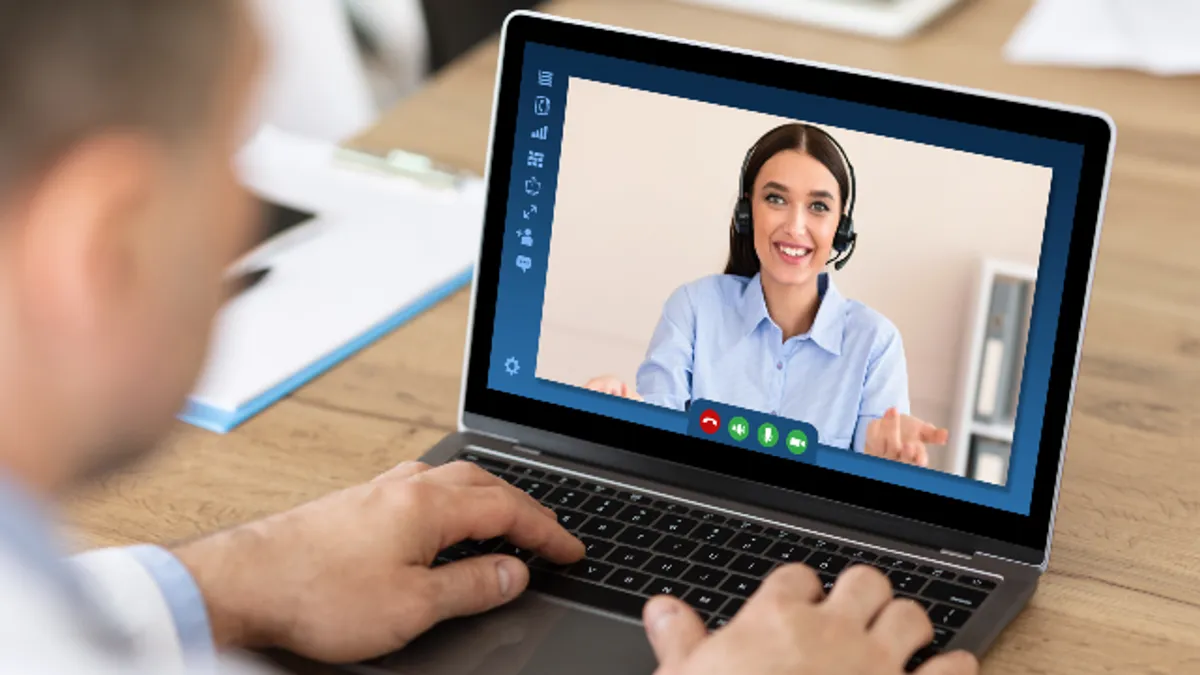
The first step requires no commitment and no plane ticket. Send clear photographs of your tattoo via WhatsApp or email to DoctorPetit, along with a brief description of your skin type, the tattoo's age, the ink colors present, and any previous removal treatments you may have had. DoctorPetit will provide a written treatment plan and session estimate within 24 to 48 hours, before you book any travel. If you prefer a live conversation, a virtual consultation via video call with the treating physician is also available. The pre-consultation is provided at no charge.
Step 2 Confirm Your Appointment Before Travel
Once you have reviewed your treatment plan and are ready to move forward, your appointment is confirmed. The clinic communicates appointment times in Korean Standard Time (KST) with a UTC offset reference for U.S. patients to avoid scheduling confusion. Pre-travel preparation instructions are sent in English ahead of your visit, covering what skincare products to avoid in the days before treatment, what to bring on the day, and what to expect from arrival through the end of your session.
Contact DoctorPetit Myeongdong
📞 Phone: +82269538433
💬 WhatsApp: Click Here
📧 Email: info@doctorpetitmyeongdong.com
🌐 Website: </>
📍 Location: Jung-gu, Myeongdong, Seoul, South Korea
🕐 Hours: The clinic operates Monday through Friday from 10:00 AM to 7:30 PM, offering consistent weekday availability. On weekends, it remains open with slightly shorter hours, from 10:00 AM to 6:00 PM on both Saturday and Sunday, ensuring convenient access for patients throughout the week.
Frequently Asked Questions
Q. Is Laser Tattoo Removal Faster in Seoul Than in the USA?
Yes, in most cases. Tattoo removal Seoul laser clinics typically schedule sessions at 4 to 6 week intervals, compared to the U.S. standard of 6 to 8 weeks. The shorter interval, combined with combined picosecond and Nd:YAG device protocols, means removal speed is genuinely faster for most patients at physician-directed Seoul clinics. A 10-session program that would take 14 to 19 months in the U.S. typically takes 10 to 14 months in Seoul.
Q. How Many Sessions Does Tattoo Removal Take at a Seoul Clinic?
The number of sessions depends on your tattoo size, ink colors, ink density, skin type, and tattoo age. At DoctorPetit, the Kirby-Desai clinical scale is used at consultation to estimate sessions for your specific tattoo. How many sessions tattoo removal requires for a given patient varies widely, but the tattoo removal Seoul laser combined protocol typically reduces session counts compared to single-device U.S. approaches for complex tattoos.
Q. How Much Does Tattoo Removal Cost in Seoul vs New York in 2026?
The laser tattoo removal cost Seoul is significantly lower than New York pricing at a physician-directed level. At DoctorPetit, a medium tattoo session runs approximately $150 to $280 USD. The same session at a New York dermatology clinic or high-quality medspa runs $350 to $600. A 10-session program in Seoul costs $800 to $2,800 compared to $2,000 to $6,000 in New York. This tattoo removal USA cost comparison holds at similar ratios across Los Angeles, Miami, Chicago, and Houston.
Q. Is Picosecond Laser Tattoo Removal Better Than Q-Switched Nd:YAG?
Neither technology is universally superior. Picosecond laser delivers faster energy pulses that shatter ink into smaller particles, producing faster clearance and superior results on blue, green, and purple inks. Nd:YAG is the gold standard for black ink and is safer for darker skin types at Fitzpatrick IV and above. The removal speed advantage comes from combining both technologies based on tattoo profile, which is the DoctorPetit standard protocol for complex cases.
Q. Is Tattoo Removal Safe for Darker Skin Tones at a Seoul Clinic?
Yes, with appropriate protocol selection. Tattoo removal dark skin Seoul protocols at DoctorPetit use 1064nm Nd:YAG as the primary device for Fitzpatrick IV and above patients, as it has the highest safety margin for melanin-rich skin. A test patch session is standard for Fitzpatrick IV or higher classification. The risk of post-inflammatory hyperpigmentation exists at any clinic worldwide and is minimized through correct wavelength selection and conservative energy parameters.
Q. Can I Fly Home to the USA After a Tattoo Removal Session in Seoul?
Most patients are cleared to fly 24 to 48 hours after a standard session, provided there is no blistering. Your DoctorPetit physician will confirm clearance at the end of your session. For safe tattoo removal abroad, the key is ensuring your aftercare protocol is in place before you travel. DoctorPetit provides written tattoo removal aftercare Seoul instructions in English that you can follow precisely during your return journey and in the days after you land.
Q. Do Seoul Clinics Use Authentic Laser Devices How Do I Verify?
DoctorPetit uses named-brand, manufacturer-authentic laser devices. During your pre-consultation exchange, you can ask specifically which devices are in use and request device specification confirmation. This is a legitimate question that a reputable Korean laser clinic English speaking practice will answer directly and transparently. Tattoo removal Seoul laser clinics with genuine equipment have no reason to be evasive about device brands.
Q. Can I Do a Consultation and First Tattoo Removal Session on the Same Day?
Yes, for patients who have completed a thorough written pre-consultation before travel. Tattoo removal foreigners Seoul patients who submit tattoo photos and skin type information via WhatsApp two to four weeks before arrival can be assessed in advance, and DoctorPetit Myeongdong tattoo removal appointments can include same-day consultation and treatment upon arrival. Patients who arrive without a prior pre-consultation will require a consultation appointment before proceeding to treatment.
Q. What Colors of Tattoo Ink Are Hardest to Remove?
Yellow and white inks are the most resistant to all available laser technologies, regardless of provider or country. Blue, green, and teal inks are difficult for Q-switched Nd:YAG but respond well to picosecond laser at 755nm. Black ink is the easiest to remove across all platforms. Ink color removal laser Seoul protocols at DoctorPetit are matched to the specific color spectrum of each tattoo using the appropriate picosecond laser wavelength for challenging colors.
Q. Is There English Support for International Patients at Seoul Tattoo Removal Clinics?
At DoctorPetit, yes. English pre-consultation is available via WhatsApp and email with a 24 to 48 hour response window. An English-speaking coordinator is present at the clinic on the day of your visit. Written aftercare instructions are provided in English. The Korean laser clinic English speaking capability at DoctorPetit extends through the entire patient journey, from your first inquiry to your post-return follow-up questions via WhatsApp. Tattoo removal Seoul 2026 patients from the United States can expect full English support at every stage.
Conclusion
Tattoo removal Seoul laser clinics offer American patients a genuinely compelling combination of advanced technology, physician-directed protocols, compressed removal timelines, and dramatically lower per-session costs compared to equivalent care in New York, Los Angeles, Miami, Chicago, and Houston. The combination of picosecond and Nd:YAG platforms, shorter session intervals, and individualized skin type assessment makes Seoul's dermatology clinics, including DoctorPetit Myeongdong, a legitimate and increasingly popular choice for U.S. patients who want faster results, lower costs, and access to a higher standard of physician involvement than most American medspas provide.
With more than 20 years of combined physician expertise, a boutique 1:1 care model, English pre-consultation via WhatsApp, and post-return aftercare support, DoctorPetit Myeongdong is structured specifically to serve international patients with the same precision and personalization that Seoul patients expect.
If you are ready to start your tattoo removal program, or simply want to know how many sessions your specific tattoo will require and what it will cost, send a photo to DoctorPetit via WhatsApp For a free written pre-consultation before you book anything. Your personalized session estimate and treatment plan will be waiting for you within 48 hours.
About the Authors
Dr. Se Rim Oh, Aesthetic Dermatology Specialist Lead Laser and Skin Rejuvenation Physician, DoctorPetit Myeongdong, Seoul, South Korea. Specialist in non-invasive skin rejuvenation, laser treatments, and tattoo removal. Extensive experience treating diverse international patient profiles including East Asian, South Asian, Latina, and Western skin types. Special clinical focus on precision laser protocols for diverse Fitzpatrick skin types. Member of relevant Korean dermatology professional associations (confirm current memberships with clinic).
Co-authored with Dr. Kyung Deok Go, Family Medicine and Aesthetic Medicine Specialist More than 20 years of experience in aesthetic medicine and personalized skin treatments. 600 or more procedures performed annually at DoctorPetit Myeongdong. Member of relevant Korean medical associations (confirm current memberships with clinic).
For consultations: +82269538433 | WhatsApp | info@doctorpetitmyeongdong.com
More articles
How to Rehydrate Skin Post-Fraxel Treatment
Discover how to rehydrate skin post-Fraxel treatment with expert tips to soothe, heal, and restore your glow. Learn the best skincare steps now!
Maintaining Lifting Results: When to Book Your Next Session
Discover how to maintain your lifting results and know exactly when to book your next session for lasting strength and performance gains. Learn more now!
What Is Lifting/Anti-Aging? Procedures, Results & Risks
Explore Lifting/Anti-Aging procedures, from non-surgical HIFU to SMAS facelifts. Learn about expected results, recovery times, and potential risks. Read more!
HA Filler Restylane Juvéderm Types Longevity Guide
Explore the differences between HA filler Restylane Juvéderm. Learn about types longevity and reversibility at DoctorPetit Myeongdong in Seoul. Book now
Back to Work Glow-Up: Skin Treatments with Zero Downtime
Refresh your look with zero-downtime skin treatments perfect for your back-to-work glow-up. Discover quick, effective options today!

Can You Workout After Thread Lifting? Here’s What to Know
Discover if you can work out after thread lifting, how long to wait, and tips for safe recovery. Stay fit without risking results—learn more now!

Face Slimming for Round Faces: Options That Work in Weeks
Discover effective face slimming options for round faces that show results in weeks. Explore top methods for a slimmer, more defined look.
LIZNE vs. Juvederm: What’s Better for Skin Texture Improvement?
Compare LIZNE vs. Juvederm for skin texture improvement. Discover which filler delivers smoother, rejuvenated skin. Learn more in our expert guide.
Is IPL a Good Idea for Maintenance? Pros and Cons
Explore the pros and cons of IPL for maintenance. Discover if it's right for long-term hair removal. Learn more before booking your next session!
ZERO Fat Injections: Melt Fat Without Surgery
Melt stubborn fat without surgery using ZERO Fat Injections. Discover this non-invasive treatment for fast, safe body contouring. Learn more today!
Mini Contouring Treatments That Show in Time for Your Photoshoot
Get camera-ready fast with mini contouring treatments that deliver visible results just in time for your photoshoot. Learn more & glow with confidence!

Best Petit Treatments to Do Before a Big Event
Discover the best petit treatments to glow before your big event. Quick, effective beauty boosts for radiant, event-ready skin. Learn more now!

How to Extend the Effects of Your Slimming Treatment
Discover effective tips to extend the effects of your slimming treatment. Maintain results longer with smart habits. Learn how to stay slim!
Do Vitamin Drips Help with Skin Whitening? Here's the Science
Discover the truth about vitamin drips for skin whitening. Explore the science, benefits, and risks behind this trending beauty treatment. Learn more now!
Tattoo Removal Seoul Laser vs USA: 2026 Full Guide
Is tattoo removal faster and cheaper in Seoul than the USA? Compare laser methods, session counts, costs and results for American patients 2026 guide.
Is Rejuran Right for Acne-Prone Skin? Here’s What to Know
Discover if Rejuran is right for acne-prone skin. Learn benefits, risks, and expert tips to help you decide. Find out more in this guide!
Lifting/Anti-Aging : What to Expect | DoctorPetit Myeongdong
Discover what to expect from Lifting/Anti-Aging treatments at DoctorPetit Myeongdong. Expert guidance on results, recovery, and premium Seoul aesthetic care.

The Top 5 Mistakes Patients Make When Booking Aesthetic Treatments
Avoid common pitfalls with aesthetic treatments. Discover the top 5 mistakes patients make before booking—know what to avoid. Learn more today!
Laser Hair Removal Seoul Korea: 2026 Complete Guide
Planning laser hair removal in Seoul Korea? Compare costs vs NYC, LA and Miami, learn which laser suits your skin type and discover DoctorPetit's 1:1 customized approach.

Dr. Lee Jeong-ryeong Reviews And Before & After: Doctorpepit
Read patient reviews and explore before-and-after results by Dr. Lee Jeong-ryeong at Doctorpepit Myeongdong in Korea, known for advanced aesthetic treatments and natural results.