Mon–Fri 10:00–19:30 · Sat–Sun 10:00–18:00 (KST) · +82-2-6953-8433
en-US

Thread Lifting Seoul: Types, Results & Natural Lift Guide
Discover every thread lifting Seoul type PDO, PLLA, PCL, barbed & mono with real results, day-by-day recovery & Miami vs Seoul costs. DoctorPetit Myeongdong.
Introduction
You have watched your jawline soften over the past few years, noticed your cheeks sitting slightly lower than they used to, and you are asking the same question thousands of American women ask every year: is there a way to genuinely lift your face without surgery? If you have been researching in forums, on Instagram, or through friends who have been to Seoul, you have almost certainly encountered the term thread lift and just as certainly encountered a wave of conflicting information about what it actually is, whether it works and which type is right for you.
Thread lifting is one of the most misunderstood treatments in non-surgical aesthetics. Most online content either oversimplifies it into a single procedure or buries patients in technical terminology without explaining what it all means for your face and your goals. If you are 40 or older, planning a trip to Seoul, and wondering whether thread lifting is the right step for your skin's next chapter, this guide is written specifically for you.
By the end of this guide, you will understand every thread lift type used in Seoul including thread lifting Seoul types by material (PDO, PLLA, PCL) and by shape (barbed, mono, screw) explained in plain language. You will know which thread type is most appropriate for your age, skin concerns, and goals, along with a day-by-day recovery calendar so you can plan your Seoul trip without surprises. You will also walk away with realistic expectations about what thread lifting genuinely achieves and what it cannot, plus a transparent cost comparison between Seoul and Miami, New York, and Los Angeles.
As physicians who have collectively performed thousands of thread lifting procedures over more than 10 years at DoctorPetit Myeongdong, we have guided patients from Miami to Los Angeles through this exact decision and we believe honest, specific information is the most powerful tool we can give you. Dr. Kyung Deok Go, Medical Director, DoctorPetit Myeongdong
Why Seoul Leads the World in Thread Lifting Types and Technique
Seoul is not simply a popular destination for aesthetic treatments. It is the global center of innovation, volume, and clinical refinement for non-surgical lifting and thread lifting in particular. Understanding why matters before you make any decisions about where and how to have this procedure done.
What Makes Korean Thread Lifting Different
Korean physicians approach thread lifting as a precision specialty, not as a secondary service offered alongside facials and injectables. Seoul clinics carry significantly higher procedural volumes than their American counterparts, which translates directly into faster technique refinement, deeper clinical pattern recognition, and more nuanced outcomes over time. A physician performing hundreds of thread procedures per year develops an instinct for facial anatomy that simply cannot be replicated by someone performing a handful per month.
Thread material diversity is another major differentiator. Korean clinics routinely work with PDO, PLLA, and PCL threads and frequently combine them in hybrid protocols tailored to individual patients. Many U.S. medspas, by contrast, offer only PDO, limiting their ability to customize based on your age, tissue density, and desired longevity. If you want to compare thread lifting and Ultherapy as part of a broader lifting strategy, Seoul clinics are uniquely positioned to advise on that combination because they practice both at high volume.
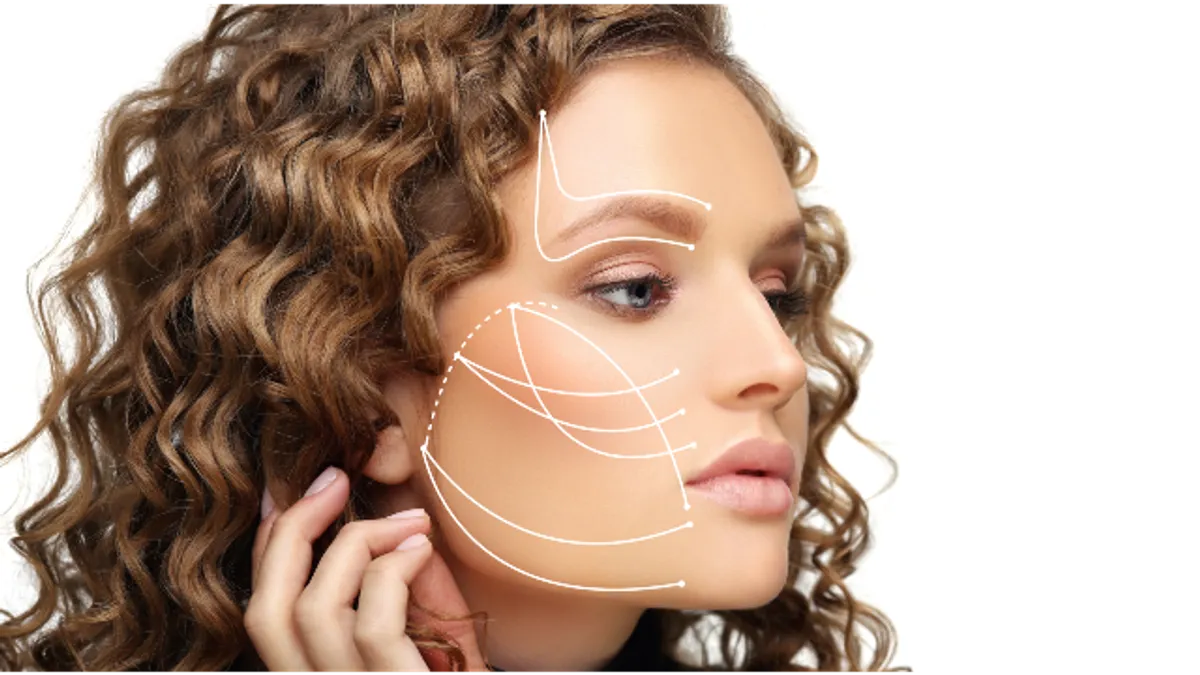
Korean technique also emphasizes facial anatomy-specific vector mapping, a process by which the physician plans the precise direction, depth, and angle of each thread insertion based on your unique facial structure before a single thread is placed. This is not a generic placement pattern applied to every patient. It is a customized architectural plan for your face.
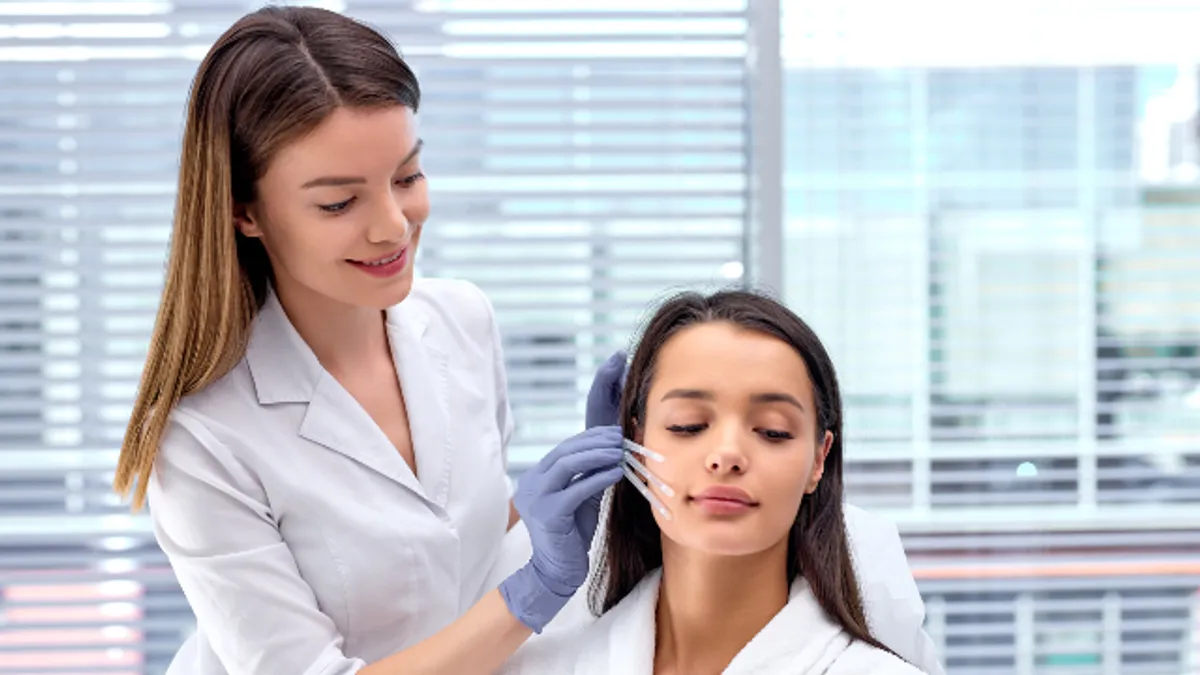
At DoctorPetit Myeongdong, every patient receives a one-to-one consultation in which thread selection, thread count, and placement vectors are mapped to their specific facial anatomy before any treatment recommendation is made.
Why Non-Surgical Lifting Resonates Differently in Korean Aesthetic Philosophy
Korean aesthetic philosophy is built around a foundational principle that is deceptively simple: the best result is the one that makes you look like the best version of yourself, not a different person. This philosophy prioritizes natural enhancement over dramatic transformation, and it is calibrated specifically for the refreshed outcome rather than the "lifted" outcome most associated with Western surgical aesthetics.
For women in their 40s who want to look like themselves at their most luminous not like they have had work done this philosophy is a deeply reassuring alignment. The Korean approach resists the temptation to over-treat, over-lift or over-correct. DoctorPetit's precise dosing philosophy, applied directly to thread count and placement decisions, reflects this commitment at the clinical level.
Thread lifting in Korea is not one procedure it is a family of techniques, each chosen specifically for the patient's facial anatomy, age, and goal. Our job is not to insert threads it is to understand your face and select the combination that creates the most natural, harmonious result. Dr. Kyung Deok Go, Medical Director, DoctorPetit Myeongdong
Every Thread Lifting Seoul Type Explained Materials and Shapes
This is the core of what you came here to understand. Thread lifting is not a single treatment. It is a family of techniques differentiated by the material the threads are made from and the physical shape the threads take. Getting this right is what separates a customized, effective result from a generic one.
Thread Materials PDO, PLLA, and PCL Compared
All three thread materials used in Seoul are dissolvable, meaning your body naturally absorbs them over time while simultaneously triggering collagen and elastin production around them. The material determines how long the thread lasts, how powerfully it stimulates collagen, and which age group it is best suited for.
PDO (Polydioxanone) is the most widely used thread material in aesthetic medicine globally. It dissolves within 6 to 9 months, and the lifting result it produces typically lasts approximately 12 months. PDO carries an excellent safety profile with minimal side effects and is often described as the "beginner-friendly" thread material. It is ideal for patients in their 20s through 40s who are addressing mild sagging, seeking jawline contouring, or using threads preventively.
PLLA (Poly-L-Lactic Acid) offers stronger collagen stimulation than PDO and takes 12 to 18 months to dissolve fully. The lifting result lasts approximately 18 months, making it a strong choice for patients in their 30s through 50s who need more structural support, are addressing mid-face sagging, or want to improve nasolabial folds with thicker, firmer skin as an outcome.
PCL (Polycaprolactone) is the strongest and longest-lasting thread material available. It dissolves over 18 to 24 months and produces a lifting effect that can last up to 24 months. PCL provides maximum collagen and elastin stimulation, making it the optimal choice for patients in their 40s through 60s dealing with heavier jowling, deep mid-face descent, or lower-face sagging requiring sustained structural correction.
| Thread Material | Dissolves In | Lifting Duration | Best Age Range | Best For |
|---|---|---|---|---|
| PDO | 6 to 9 months | ~12 months | 20s to 40s | Mild sagging, contouring, jawline |
| PLLA | 12 to 18 months | ~18 months | 30s to 50s | Mid-face sagging, nasolabial folds |
| PCL | 18 to 24 months | ~24 months | 40s to 60s | Heavy jowls, lower face, deep folds |
Barbed (Cog) Threads The Engine of Real Structural Lift
Barbed threads, also called cog threads, are the primary lifting mechanism in thread lifting. They carry tiny barbs or cones along their length that physically grip subcutaneous tissue and mechanically lift it upward when the thread is positioned and tensioned. These are the threads responsible for producing the visible, structural elevation you see in the jawline, cheeks, and mid-face in before and after photographs.
Barbed threads are available in PDO, PLLA, and PCL. The physician selects the material based on how long the lift needs to last, how much tissue correction is required, and how deep the placement needs to be to achieve the target result. A younger patient with mild early jowling may respond well to PDO barbed threads. A patient in her mid-40s with moderate mid-face descent and jawline softening will typically benefit more from PLLA or PCL barbed cog threads.
At DoctorPetit Myeongdong, barbed thread placement is planned using the patient's specific facial vector mapping before treatment begins. The planning process is considered as clinically important as the thread selection itself, because even the best thread material will underperform if the vectors are wrong for your anatomy.
Mono, Screw, and Mesh Threads Collagen Builders and Texture Refiners
While barbed threads lift, mono threads, screw threads, and mesh threads improve skin quality, firmness, and texture. They serve a complementary role in any comprehensive thread lifting treatment plan.
Mono threads are smooth threads without barbs. They do not produce structural lift but are powerful collagen stimulators and skin tighteners. Deployed in large numbers typically 20 to 100 threads per treatment area they are ideal for fine lines, neck crepe, and under-eye area refinement. Think of them as the skin quality layer of a comprehensive thread treatment.
Screw or twist threads add volume and firmness to hollow or deflated areas such as the temples, under-chin, and laugh lines. They serve a hybrid function between tightening and light volumizing, making them useful for areas where the primary concern is loss of fullness rather than downward sagging.
Mesh threads create a collagen-generating net across larger surface areas. They are particularly effective for overall cheek and neck firmness, providing a diffuse tightening effect that complements the focused structural lift of barbed cog threads.
For a patient in her mid-40s, I typically recommend PLLA or PCL barbed cog threads for the primary lift areas jawline and mid-face combined with mono threads for skin texture improvement. The combination gives structural lift plus skin quality enhancement. It is a more comprehensive result than either thread type alone. Dr. Lee Jeong Ryeong, Aesthetic Medicine Specialist, DoctorPetit Myeongdong
Which Thread Type Is Right for Your Age and Goals?
Understanding the thread types is step one. Translating that understanding into a specific recommendation for your age, your concerns, and your anatomy is step two and it is the step most online content completely skips.
Thread Type by Age: A Practical Guide
Your age is not the only factor in thread selection, but it is one of the most important starting points because it broadly predicts the degree of tissue descent, skin thickness, and how much collagen stimulation your face needs.
In your 20s, PDO mono threads combined with light cog threads are typically appropriate. The goal at this stage is preventive collagen stimulation and subtle contouring rather than correction of significant sagging.
In your 30s, PDO barbed cog threads are well-suited for early sagging correction, particularly in the jawline and mild cheek descent. PLLA barbed threads may be considered for patients who want stronger structural support or whose tissue has already begun to descend more noticeably.
In your 40s the demographic this article most directly addresses PLLA or PCL barbed cog threads are the recommended primary lifting tools. PCL is particularly effective for jawline restoration and mid-face support given its longer-lasting collagen stimulation profile. Mono threads are typically added alongside the structural lift to address skin texture and overall skin quality, delivering a more comprehensive result than lift alone could achieve. You may also want to explore complementary skin booster treatments such as Rejuran to further enhance skin quality alongside your thread procedure.
In your 50s and beyond, a PCL plus PLLA hybrid approach provides maximum structural longevity. Thread counts are often calibrated more conservatively at this stage, with a focus on quality placement over volume.
| Age Range | Recommended Material | Thread Shape | Primary Target Areas |
|---|---|---|---|
| 20s | PDO | Mono + Light Cog | Contouring, prevention |
| 30s | PDO or PLLA | Barbed Cog | Early jawline, mild cheek |
| 40s | PLLA or PCL | Barbed Cog + Mono | Jawline, mid-face, texture |
| 50s+ | PCL + PLLA | Hybrid | Full lower face, deep structure |
Thread Lifting for Non-Asian Skin Types What Latina and Mediterranean Patients Should Know
A question that comes up often in pre-consultations from American patients, particularly women of Latina and Mediterranean heritage, is whether thread lifting protocols designed for Korean aesthetic standards will translate appropriately to their facial structure.
The honest answer is that thread lifting is not ethnicity-specific in its mechanism. PDO, PLLA, and PCL threads work effectively across all skin types and tones, including Fitzpatrick III and IV skin types common among Latina and Mediterranean patients. The biological process of collagen stimulation and tissue elevation does not differ by ethnicity.
What does differ is the adaptation of thread depth and placement vectors. Korean physicians who regularly treat diverse international patients understand that soft tissue density, facial ligament positions, and skin thickness vary across ethnic backgrounds. These anatomical differences inform the specific depth and angle of thread placement, not the material selection or thread type itself.
DoctorPetit's physicians have extensive experience treating patients from diverse ethnic backgrounds, including U.S. patients of Latina, South Asian, African-American, and mixed heritage. The goal is always to enhance your natural facial structure, not to impose any particular aesthetic standard onto it.
When I consult with Latina or South Asian patients, I am looking at their specific facial architecture soft tissue depth, facial ligament positions, skin thickness. Thread placement is customized to their anatomy, not adapted from a protocol designed for East Asian facial structure. The result should look like the best version of your own face. Dr. Se Rim Oh, Aesthetic Dermatology Specialist, DoctorPetit Myeongdong
Thread Lift Recovery in Seoul What to Expect Day by Day

For international patients planning a Seoul trip around a thread lift, vague statements like 3 to 7 days of downtime are not enough to actually plan your itinerary. You need to know what your face will look like on day 2, whether you can sightsee on day 5, and when you are safe to fly home. This section gives you that specific, honest information. If you want more comprehensive guidance for planning your entire treatment trip, reading up on planning your Seoul treatment itinerary before you book is strongly recommended.
Day-by-Day Thread Lift Recovery Calendar
Day 1 Treatment Day: An immediate visible lift is present as soon as the procedure is complete. Local anesthesia wears off within 2 to 3 hours, at which point mild swelling begins to appear. You will notice slight tightness and tenderness in the treated areas. Rest is recommended for the remainder of the day. Avoid touching, pressing, or manipulating the treated areas in any way.
Days 1 to 3 Peak Swelling and Bruising: This is typically the most visually noticeable phase of recovery. Swelling and bruising reach their peak during this window. The lift is actively present beneath the swelling, even though it may not be clearly visible yet. Sleep elevated on your back to minimize fluid pooling. Use cold compresses very gently with no direct pressure. Avoid alcohol, strenuous exercise, saunas, and hot baths entirely during this phase.
Days 4 to 7 Swelling Reduces, Lift Becomes Visible: Swelling substantially reduces from day 4 onward. Bruising begins to fade and can typically be covered with makeup by day 4 or 5. The lift becomes clearly visible as swelling recedes. Mild tightness may persist throughout this phase. Light activity resumes and most patients feel comfortable being seen in public during the latter part of this window.
Days 7 to 14 Social Presentability Restored: The majority of swelling has resolved by day 7. The lift is at its most visually dramatic during this stage, as threads have fully settled and swelling no longer masks the result. Most patients consider themselves socially presentable and return to normal activity. Full exercise resumes safely after day 10.
Weeks 2 to 4 Results Stabilize: Results continue to refine as collagen deposition around the threads builds. Skin appears progressively more lifted and refined during this window. This is the phase when patients often hear from friends that they look rested or refreshed without anyone being able to identify a specific change.
Planning Your Seoul Trip Around Thread Lift Recovery
The recommended minimum Seoul stay for thread lifting is 5 to 7 days, allowing enough time for the procedure and the initial recovery phase before you travel home. The optimal scheduling approach is to have your thread lift on day 2 or 3 of your Seoul visit, giving you days 4 through 8 for light recovery while exploring Myeongdong, shopping, and enjoying the city at a comfortable pace, and then flying home on day 8 to 10.
Flying after thread lifting is safe from day 4 onward. Mild cabin pressure does not affect the threads or their placement. If mid-face threads have been placed, avoid sustained compression from a window seat for prolonged flights.
DoctorPetit provides written aftercare instructions in English to every patient before they leave the clinic. WhatsApp support is available throughout your Seoul stay and for 7 days after your procedure, ensuring you always have a direct line to your care team regardless of where you are.
Thread Lift Results What's Realistic and What Thread Lifting Cannot Do
This section may be the most important one in this entire guide. Building genuine trust means being completely honest about what thread lifting delivers and, equally, what it cannot. No provider who is truly invested in your wellbeing will oversell this procedure, and we will not either.
What Thread Lifting Genuinely Achieves
Thread lifting produces an immediate mechanical lift that is visible from day 1. Jawline definition becomes sharper, cheeks are elevated, and the mid-face is repositioned upward toward its more youthful position. The degree of tissue elevation realistic for most patients is 1 to 2 millimeters, which sounds modest but translates to a visually meaningful change when applied across the entire lower and mid face.
Results are most dramatically visible between weeks 2 and 6, after swelling has fully resolved and the threads have settled into their final position. Collagen stimulation around the threads continues for months after treatment, providing a secondary skin quality benefit that builds gradually and extends the overall improvement beyond the mechanical lift alone.
Longevity depends on the thread material selected: PDO results typically last approximately 12 months, PLLA approximately 18 months, and PCL up to 24 months before maintenance is required. The realistic patient expectation is looking like the best version of yourself at your current age refreshed, defined, and more awake rather than looking 10 years younger.
What Thread Lifting Cannot Do Honest Expectations
Thread lifting cannot replace volume that has been lost through fat atrophy. For deep hollowing in the temples, under-eye area, or midcheek, dermal fillers or biostimulators are more appropriate and effective tools. Thread lifting addresses descent but not deflation.
Thread lifting cannot address severe or advanced skin laxity. Patients with significant jowling or excess skin that has substantially stretched may find that their best outcomes require surgical options rather than a thread procedure. An honest consultation will surface this early.
Thread lifting cannot permanently stop aging. Maintenance at 9 to 12 months for PDO threads, or 18 to 24 months for PCL threads, is required to sustain results over time. Thread lifting does not improve skin texture, pigmentation, or overall skin quality on its own. Complementary treatments such as laser toning, Pico laser, or Rejuran skin boosters address those concerns separately, and exploring non-surgical facelift alternatives with your physician will help you understand which combination is right for your full set of concerns.
Results also vary meaningfully by individual. Facial anatomy, tissue density, skin quality, age, lifestyle factors including smoking and sun exposure, and adherence to post-procedure instructions all affect how a thread lift performs for any given patient.
I tell every patient: thread lifting will make you look refreshed, lifted, and more defined. It will not make you look 10 years younger or like a different person. If that honest result excites you, you are a great candidate. If you are hoping for a dramatic transformation, we should have a deeper conversation about what combination of treatments would serve you better. Dr. Kyung Deok Go, Medical Director, DoctorPetit Myeongdong
You can also explore Ulthera lifting at DoctorPetit if you are looking for a treatment that addresses deeper structural tissue layers or serves as a complement to thread lifting for a more comprehensive result.
Thread Lifting Cost in Seoul vs Miami, New York and Los Angeles
One of the most common questions from American patients particularly those based in Miami is whether the financial investment of traveling to Seoul actually makes sense when you factor in the flight and accommodation. The honest answer, backed by transparent pricing, is that for most patients considering a boutique-quality thread lifting experience, it does.
Thread Lift Cost Comparison Seoul vs U.S. Cities
The following cost comparison reflects full-face thread lifting at a boutique physician-led clinic, meaning a provider with comparable credentials, personalized care, and authentic thread materials to what DoctorPetit offers.
| Location | Thread Lift Cost (Full Face) | Includes Consultation? | Notes |
|---|---|---|---|
| Seoul DoctorPetit Myeongdong | $600 to $1,200 | Yes | 1:1 physician consultation; authentic threads; English support |
| Seoul Average Clinic | $400 to $700 | Variable | Quality and thread count vary |
| Miami, FL | $1,500 to $3,000 | Sometimes | High variation by clinic type |
| New York City | $2,000 to $4,000 | Rarely included | Premium Manhattan pricing |
| Los Angeles | $1,800 to $3,500 | Sometimes | Competitive market, wide range |
| Chicago | $1,400 to $2,800 | Sometimes | Lower than coastal cities |
DoctorPetit's pricing covers your physician consultation, authentic certified thread materials, the procedure itself, English aftercare documentation, and WhatsApp post-treatment support for 7 days. There are no hidden add-on fees. An itemized treatment quotation is provided in USD before any treatment begins, so you know exactly what you are paying for before you commit to anything.
Compared to Miami the most relevant reference market for many of our American patients DoctorPetit pricing is approximately 55 to 70 percent lower for a comparable boutique clinic experience. Credit cards are accepted and USD pricing is available upon request. For a detailed city-by-city breakdown, a dedicated Seoul vs U.S. cost comparison resource is available to help you model the full financial picture, including travel costs.
Why Choose DoctorPetit Myeongdong for Thread Lifting
Choosing where to have any aesthetic procedure involves far more than comparing price tables. It requires confidence in the physician's credentials, the clinic's philosophy, and the quality of care you will receive before, during, and after your treatment.
Our Physicians Specialized Experience Across Every Thread Type
Dr. Kyung Deok Go, MD is the Medical Director of DoctorPetit Myeongdong and a Family Medicine and Aesthetic Medicine specialist with more than 20 years of experience in non-surgical facial treatments. He performs 200+ lifting procedures annually and is known throughout the clinic's international patient community for his natural-result philosophy and his disciplined approach to precise dosing and placement. Over 10+ years at DoctorPetit Myeongdong, Dr. Go has developed a clinical instinct for the difference between a thread count that serves the patient and one that serves the procedure.
Dr. Se Rim Oh, MD is an Aesthetic Dermatology Specialist whose expertise spans non-invasive skin rejuvenation, laser treatments, and protocols specifically designed for non-East-Asian skin types. If you are a Latina, South Asian, Mediterranean, or mixed-heritage patient, Dr. Oh's specific clinical background in diverse skin type protocols is a meaningful differentiator from what you will find at most Korean clinics.
Dr. Lee Jeong Ryeong, MD is an Aesthetic Medicine Specialist with deep expertise in customized anti-aging combination planning. Dr. Lee is known specifically for her ability to sequence comprehensive treatment programs, including thread lift plus Ulthera plus Rejuran, in a way that maximizes cumulative results and minimizes recovery overlap.
Collectively, the DoctorPetit team performs 600+ aesthetic procedures annually across a deliberately limited daily volume of 8 to 10 appointments per day. That boutique volume is a deliberate clinical decision: it means every patient receives genuine personalized attention, not a time-compressed procedure fitting into an overbooked schedule. All three physicians are board-certified in their respective specialties. Patients from Miami, New York, and Los Angeles regularly visit DoctorPetit specifically because that level of boutique specialization is difficult to find in the U.S. at this price point.
Boutique 1:1 Care What It Means in Practice for International Patients
Every consultation at DoctorPetit is 30 to 45 minutes long, unhurried, and conducted by the same physician who will perform your treatment. There is no delegation to technicians or assistants. Thread type, thread count, and placement vectors are all customized to your facial anatomy, not drawn from a standardized package.
English-speaking patient coordinators are available throughout the entire process, from your first WhatsApp inquiry through to your post-treatment follow-up after you return home. If thread lifting turns out not to be the most appropriate choice for your goals, your physician will tell you honestly and recommend what would serve you better. No pressure, no packages, no obligation.
At DoctorPetit, we see patients as individuals, not as treatment categories. Our consultation exists to understand what you want, what your face can achieve, and what combination of treatments will get you there most honestly and effectively. Dr. Kyung Deok Go, Medical Director, DoctorPetit Myeongdong
For International Patients: Myeongdong Logistics and Support
DoctorPetit Myeongdong is located in central Myeongdong, approximately 10 minutes from major hotels and a 5-minute walk from Myeongdong station, making it one of the most conveniently accessible boutique clinics in the city for international visitors. For everything you need to know as a first-time Seoul visitor navigating the city's aesthetic clinic landscape, additional guidance is available to help you feel prepared and confident before you arrive.
WhatsApp pre-consultations are available with a 24 to 48 hour response window. Written aftercare instructions in English are provided to every patient before they leave the clinic. WhatsApp post-treatment support continues for 7 days after your procedure, ensuring you are never without access to your care team regardless of where your travels take you.
How to Book Your Thread Lifting at DoctorPetit Myeongdong

Booking should feel simple, warm, and completely free of pressure. Here is exactly how the process works from first contact to treatment day.
Step 1 Start With a Free Pre-Consultation
Contact DoctorPetit via WhatsApp, email, or the contact form on the website. Share your primary concerns jawline softening, cheek descent, mid-face flattening along with your approximate age and any previous aesthetic treatments you have had. You will receive a personalized written response within 24 to 48 hours from an English-speaking coordinator or physician.
This pre-consultation is not a sales conversation. It is designed to answer your questions, understand your goals, and give you the honest information you need to decide whether to move forward. No commitment is required at any stage of this process.
Step 2 Your Treatment Day and Post-Care
Arrive 15 minutes early for your appointment. Local anesthesia is applied to the treatment areas before any threads are inserted, and the procedure itself typically takes 30 to 60 minutes depending on the areas treated and the thread count involved.
Before you leave the clinic, you will receive written English aftercare instructions covering everything you need to know about the first two weeks of recovery. Your WhatsApp contact for 7-day post-treatment support is confirmed at this point as well. An optional follow-up telemedicine call at week 2 or week 4 is available to assess your results and answer any questions that arise as your lift settles.
Contact Information
📞 Phone: +82269538433
💬 WhatsApp: Click Here
📧 Email: info@doctorpetitmyeongdong.com
🌐 Website: </>
📍 Location: Jung-gu, Myeongdong, Seoul, South Korea
🕐 Hours: The clinic operates Monday through Friday from 10:00 AM to 7:30 PM, offering consistent weekday availability. On weekends, it remains open with slightly shorter hours, from 10:00 AM to 6:00 PM on both Saturday and Sunday, ensuring convenient access for patients throughout the week.
Frequently Asked Questions
1. What Is the Difference Between PDO, PLLA, and PCL Threads in Seoul?
PDO dissolves in 6 to 9 months and suits patients in their 20s to 40s with mild sagging. PLLA dissolves in 12 to 18 months and provides stronger collagen stimulation for moderate sagging in the 30s to 50s. PCL lasts 18 to 24 months and is the strongest option for patients in their 40s to 60s with heavier jowling or deeper mid-face descent. All three are core thread lifting Seoul types used at DoctorPetit Myeongdong.
2. How Long Do Thread Lift Results Last at DoctorPetit?
Thread lift results depend on the material selected. PDO threads typically last approximately 12 months, PLLA threads approximately 18 months, and PCL threads up to 24 months. Most patients schedule maintenance within this window to sustain their thread lifting Seoul results over time.
3. Is Thread Lifting Safe for Latina or Mediterranean Skin Tones?
Yes. Thread lifting works effectively across all skin tones and Fitzpatrick types, including III and IV, which are common among Latina and Mediterranean patients. At DoctorPetit, thread depth and placement vectors are specifically adapted to account for soft tissue density and facial anatomical structure differences in non-East-Asian patients.
4. How Much Bruising and Swelling Should I Expect After a Thread Lift in Seoul?
Peak swelling and bruising typically occur during days 1 to 3 after treatment. By days 4 to 5, bruising can usually be covered with makeup. Swelling substantially reduces by day 7, and most patients consider themselves fully socially presentable by days 7 to 10. Thread lift downtime is manageable and predictable for most patients.
5. Can I Combine Thread Lifting With Ulthera or Rejuran on the Same Seoul Trip?
Yes, in most cases. Thread lifting and Ulthera can be sequenced within the same visit, though your physician will advise on the optimal timing and order based on your individual treatment plan. Rejuran skin boosters are frequently combined with thread lifting Seoul types for enhanced skin quality outcomes. Your DoctorPetit consultation will clarify what is safe and optimal to combine during your specific stay.
6. How Soon After Thread Lifting Can I Fly Home to Miami, New York, or Los Angeles?
Thread lift recovery is compatible with flying from day 4 onward. Cabin pressure does not affect the threads. DoctorPetit recommends a minimum 5 to 7 day Seoul stay to allow for initial recovery before your return flight, ensuring you arrive home feeling comfortable and confident rather than mid-recovery.
7. Is Thread Lifting the Same as a Mini Facelift Which Gives Better Results?
Thread lifting and a mini facelift are distinct procedures with different mechanisms, recovery profiles, and results. A mini facelift involves surgical incisions and produces more dramatic, longer-lasting correction, particularly for advanced sagging. Thread lifting is non-surgical, requires no general anesthesia, and is ideal for mild to moderate sagging with a natural-looking result. For many patients in their 40s, a thread lift produces a more appropriate outcome than surgical intervention at that stage of aging.
8. What Should I Avoid Before My Thread Lifting Appointment in Seoul?
Avoid blood-thinning medications such as aspirin and ibuprofen for at least one week before your appointment. Avoid alcohol for 48 hours prior. Arrive with clean skin and no active skin infections or irritation in the treatment areas. Your DoctorPetit coordinator will provide a complete pre-treatment checklist when you confirm your appointment.
9. How Do I Know Which Thread Type Is Right for Me at Age 44?
At 44, most patients benefit most from PLLA or PCL barbed cog threads for primary structural lifting of the jawline and mid-face, combined with PDO mono threads for skin texture improvement. PCL is particularly effective for patients with moderate jowling or deeper mid-face descent. Your thread lifting Seoul types selection will be finalized during your one-to-one physician consultation based on your specific anatomy and goals.
10. Does DoctorPetit Use Authentic Certified Thread Brands?
Yes. DoctorPetit Myeongdong exclusively uses authentic, certified thread brands from reputable Korean and international manufacturers. Thread authenticity is a core component of patient safety and result quality, and batch verification is available upon request for patients who wish to confirm their thread materials before treatment.
Conclusion
Thread lifting in Seoul is not a single procedure it is a family of precision techniques built around a range of thread lifting Seoul types, each one matched to a specific patient's age, anatomy, and aesthetic goals. Understanding the difference between PDO, PLLA, and PCL thread materials and between barbed, mono, and screw thread shapes is the first step toward knowing whether this treatment is the right next chapter for your skin. For women in their 40s seeking natural, refreshed results without surgery, thread lifting at a boutique Seoul clinic combines genuine clinical sophistication with a fraction of the cost you would pay in Miami, New York, or Los Angeles.
At DoctorPetit Myeongdong, every thread lifting procedure is planned individually your face, your goals, your anatomy by physicians who believe the most beautiful result is the one that makes you look like the most luminous version of yourself.
If you are ready to explore whether thread lifting is right for you, start with a free, no-pressure pre-consultation via WhatsApp or email. Our English-speaking team will respond within 24 to 48 hours with a personalized assessment of your concerns, your questions, and your options. Your Seoul appointment and your next chapter is one message away.
About the Authors
Dr. Kyung Deok Go, MD Medical Director, DoctorPetit Myeongdong. Family Medicine Specialist and Aesthetic Medicine Specialist with 20+ years of experience in aesthetic medicine and non-surgical facial treatments. Performs 600+ aesthetic procedures annually, including 200+ lifting procedures. Specializes in thread lifting, non-surgical facial contouring, and customized Botox. Philosophy: natural-looking enhancement through precise dosing and 1:1 customization.
Dr. Se Rim Oh, MD Aesthetic Dermatology Specialist, DoctorPetit Myeongdong. Expertise in non-invasive skin rejuvenation, laser treatments, and diverse skin type protocols. Specializes in non-East-Asian patient skin protocols for South Asian, Latina, and Mediterranean patients.
Dr. Lee Jeong Ryeong, MD Aesthetic Medicine Specialist, DoctorPetit Myeongdong. Expertise in customized cosmetic dermatology and combination anti-aging treatment planning.
For consultations: +82269538433 | WhatsApp | info@doctorpetitmyeongdong.com
More articles
How to Rehydrate Skin Post-Fraxel Treatment
Discover how to rehydrate skin post-Fraxel treatment with expert tips to soothe, heal, and restore your glow. Learn the best skincare steps now!
Maintaining Lifting Results: When to Book Your Next Session
Discover how to maintain your lifting results and know exactly when to book your next session for lasting strength and performance gains. Learn more now!
What Is Lifting/Anti-Aging? Procedures, Results & Risks
Explore Lifting/Anti-Aging procedures, from non-surgical HIFU to SMAS facelifts. Learn about expected results, recovery times, and potential risks. Read more!
HA Filler Restylane Juvéderm Types Longevity Guide
Explore the differences between HA filler Restylane Juvéderm. Learn about types longevity and reversibility at DoctorPetit Myeongdong in Seoul. Book now
Back to Work Glow-Up: Skin Treatments with Zero Downtime
Refresh your look with zero-downtime skin treatments perfect for your back-to-work glow-up. Discover quick, effective options today!

Can You Workout After Thread Lifting? Here’s What to Know
Discover if you can work out after thread lifting, how long to wait, and tips for safe recovery. Stay fit without risking results—learn more now!
Face Slimming for Round Faces: Options That Work in Weeks
Discover effective face slimming options for round faces that show results in weeks. Explore top methods for a slimmer, more defined look.
LIZNE vs. Juvederm: What’s Better for Skin Texture Improvement?
Compare LIZNE vs. Juvederm for skin texture improvement. Discover which filler delivers smoother, rejuvenated skin. Learn more in our expert guide.
Is IPL a Good Idea for Maintenance? Pros and Cons
Explore the pros and cons of IPL for maintenance. Discover if it's right for long-term hair removal. Learn more before booking your next session!
ZERO Fat Injections: Melt Fat Without Surgery
Melt stubborn fat without surgery using ZERO Fat Injections. Discover this non-invasive treatment for fast, safe body contouring. Learn more today!
Mini Contouring Treatments That Show in Time for Your Photoshoot
Get camera-ready fast with mini contouring treatments that deliver visible results just in time for your photoshoot. Learn more & glow with confidence!
Best Petit Treatments to Do Before a Big Event
Discover the best petit treatments to glow before your big event. Quick, effective beauty boosts for radiant, event-ready skin. Learn more now!

How to Extend the Effects of Your Slimming Treatment
Discover effective tips to extend the effects of your slimming treatment. Maintain results longer with smart habits. Learn how to stay slim!
Do Vitamin Drips Help with Skin Whitening? Here's the Science
Discover the truth about vitamin drips for skin whitening. Explore the science, benefits, and risks behind this trending beauty treatment. Learn more now!
Tattoo Removal Seoul Laser vs USA: 2026 Full Guide
Is tattoo removal faster and cheaper in Seoul than the USA? Compare laser methods, session counts, costs and results for American patients 2026 guide.
Is Rejuran Right for Acne-Prone Skin? Here’s What to Know
Discover if Rejuran is right for acne-prone skin. Learn benefits, risks, and expert tips to help you decide. Find out more in this guide!
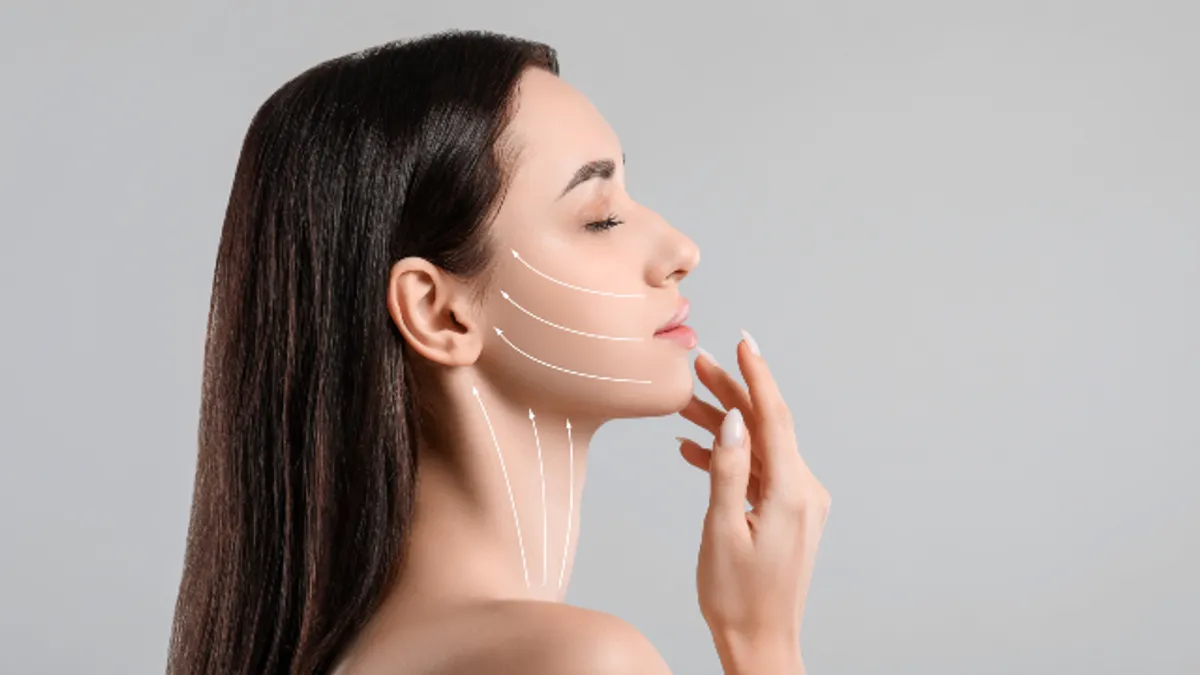
Lifting/Anti-Aging : What to Expect | DoctorPetit Myeongdong
Discover what to expect from Lifting/Anti-Aging treatments at DoctorPetit Myeongdong. Expert guidance on results, recovery, and premium Seoul aesthetic care.
The Top 5 Mistakes Patients Make When Booking Aesthetic Treatments
Avoid common pitfalls with aesthetic treatments. Discover the top 5 mistakes patients make before booking—know what to avoid. Learn more today!
Laser Hair Removal Seoul Korea: 2026 Complete Guide
Planning laser hair removal in Seoul Korea? Compare costs vs NYC, LA and Miami, learn which laser suits your skin type and discover DoctorPetit's 1:1 customized approach.

Dr. Lee Jeong-ryeong Reviews And Before & After: Doctorpepit
Read patient reviews and explore before-and-after results by Dr. Lee Jeong-ryeong at Doctorpepit Myeongdong in Korea, known for advanced aesthetic treatments and natural results.