Mon–Fri 10:00–19:30 · Sat–Sun 10:00–18:00 (KST) · +82-2-6953-8433
en-US

Pigmentation Types and the Best Procedure for Each
Discover pigmentation types & the best treatments for each. Learn how to achieve clear, even skin with expert-recommended procedures today!
Introduction
Melasma
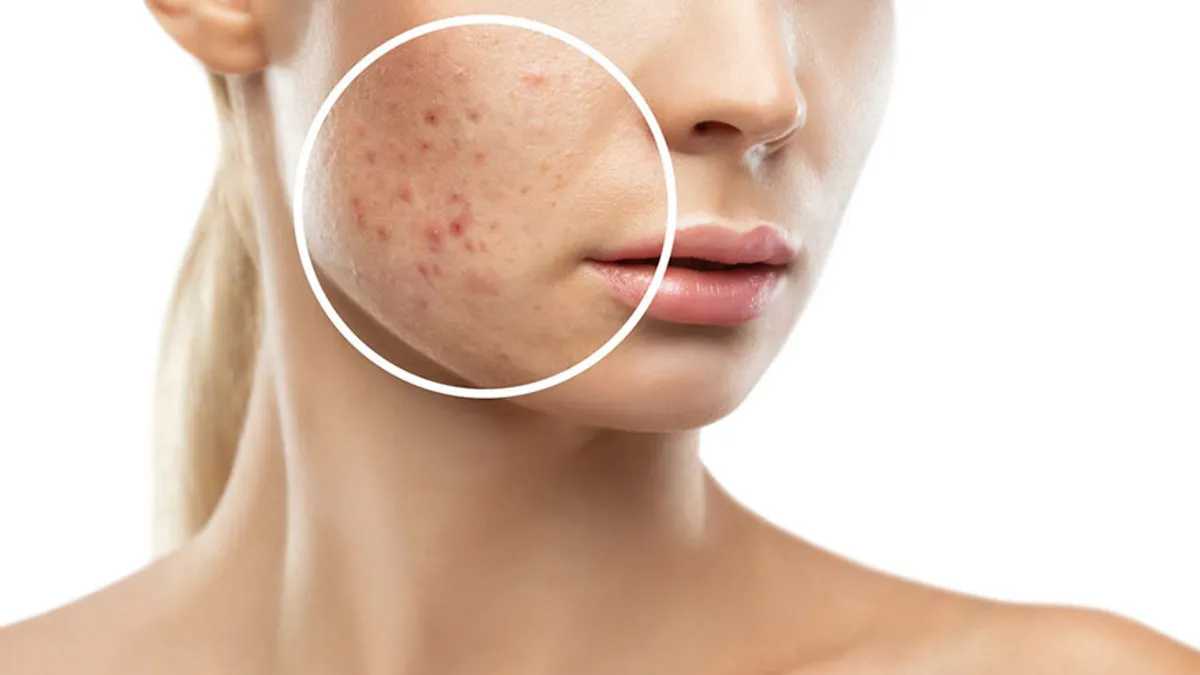
What it looks like: Irregular, tan to dark patches—often on the cheeks, forehead, upper lip, or chin. These patches are stubborn and can reappear without vigilant care.
Why it's tricky: Hormones, sun, and genetics play a complex role. It can live in the upper epidermis or deeper dermis—a distinction visible under a Wood’s lamp—and this affects treatment choices. Pregnancy, oral contraceptives, thyroid dysfunction, and even certain cosmetics can all trigger melasma or make it worse.
Smart approach: Nothing works in isolation. Topical agents like hydroquinone, azelaic acid, kojic acid, tranexamic acid, or arbutin help fade pigment. Oral tranexamic acid is also gaining popularity in resistant cases (though not without risks). Pair these with gentle chemical peels (like glycolic acid or mandelic acid) or microneedling-infused brightening serums to boost penetration. Strict sun protection is non-negotiable—physical sunscreens with zinc oxide or titanium dioxide are preferred for their broad coverage and reduced irritation potential.
- Analogy: Imagine ironing a silk blouse; you need light, consistent pressure—not a burning torch. Similarly, melasma responds best to gentle, well-planned layering rather than aggressive single treatments.
DoctorPetit Insight: We often use multi-modal therapy, combining tranexamic acid, light peels, and laser toning in conservative intervals. This minimizes rebound and builds results over months—not days.
Post‑Inflammatory Hyperpigmentation (PIH)
- What it looks like: Dark spots or patches following acne, injury, or inflammation. Common in those with deeper tones, and often lingers longer.
- Why it happens: Inflammation triggers melanocytes to go into overdrive—depositing excess pigment as a defense. The more aggressive or prolonged the inflammation (think cystic acne or laser burns), the more stubborn the pigmentation.
- Best path forward: Start with calming topical ingredients—think vitamin C, azelaic acid, kojic acid, and gentle retinoids. For darker skin types, retinoids should be introduced slowly to avoid irritation. Follow with mild chemical peels (like lactic acid or salicylic acid) or light-based therapies like broadband light (BBL) or low-intensity picosecond lasers—especially when your skin is intact and healed enough.
- DoctorPetit Insight: At our clinic, we often treat PIH conservatively with customized serums and calming procedures first—then transition to energy-based devices after barrier repair. This staged approach prevents worsening and supports healthy recovery.
Solar Lentigines (“Age Spots”)
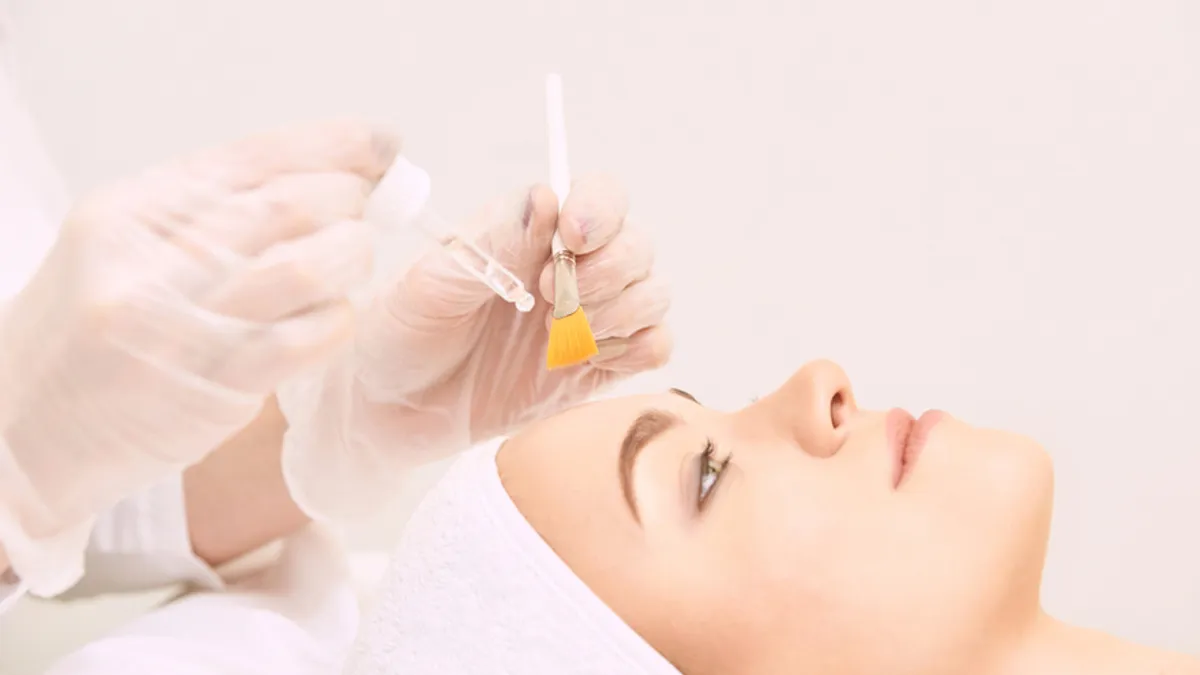
What they look like: Flat, well-defined brown spots on sun‑exposed areas like the face, hands, and décolletage.
Why they appear: Cumulative sun exposure stimulates local melanocyte activity—without inflammation. Unlike PIH, these spots don't fade on their own and often increase with age.
Targeted treatments:
- Retinoids to smooth texture and encourage cellular turnover.
- Chemical peels or micro‑resurfacing to shed pigmented layers.
- Laser or IPL (with caution on darker skin tones) to break down pigment clusters. Q-switched or picosecond lasers can target melanin specifically without damaging surrounding tissue.
DoctorPetit Insight: We prioritize skin tone assessment before any pigment-targeting laser. For patients with Type III or higher on the Fitzpatrick scale, we often use lower fluence settings and longer intervals to avoid rebound pigmentation or hypo-pigmentation.
Ephelides (Freckles)
What they look like: Small, light‑brown freckles that darken with sun exposure and often appear in clusters. Often found in fair-skinned individuals, but common in Korean and Japanese patients who spent time in strong sunlight.
Why they form: UV light triggers melanin release from melanocytes in genetically predisposed spots.
Strategy:
- Daily sunscreen is the foundation—freckles are UV-reactive.
- Topicals like vitamin C, niacinamide, or lightening agents lighten them gradually.
- Laser, IPL, or light peels can erase them faster—but require careful calibration to avoid rebound darkening or unwanted contrast.
DoctorPetit Insight: For patients who prefer a natural look, we treat freckles as part of their character. But for those seeking a porcelain-skin aesthetic, gentle laser toning combined with home care can brighten while keeping texture intact.
Café‑au‑Lait Macules
What they look like: Light to dark brown smooth patches, present from birth or early childhood. Often oval-shaped and well-demarcated.
Origin: Typically genetic and benign. In rare cases, multiple macules may be associated with neurofibromatosis or McCune-Albright syndrome—a detail your doctor should assess.
Treatment options:
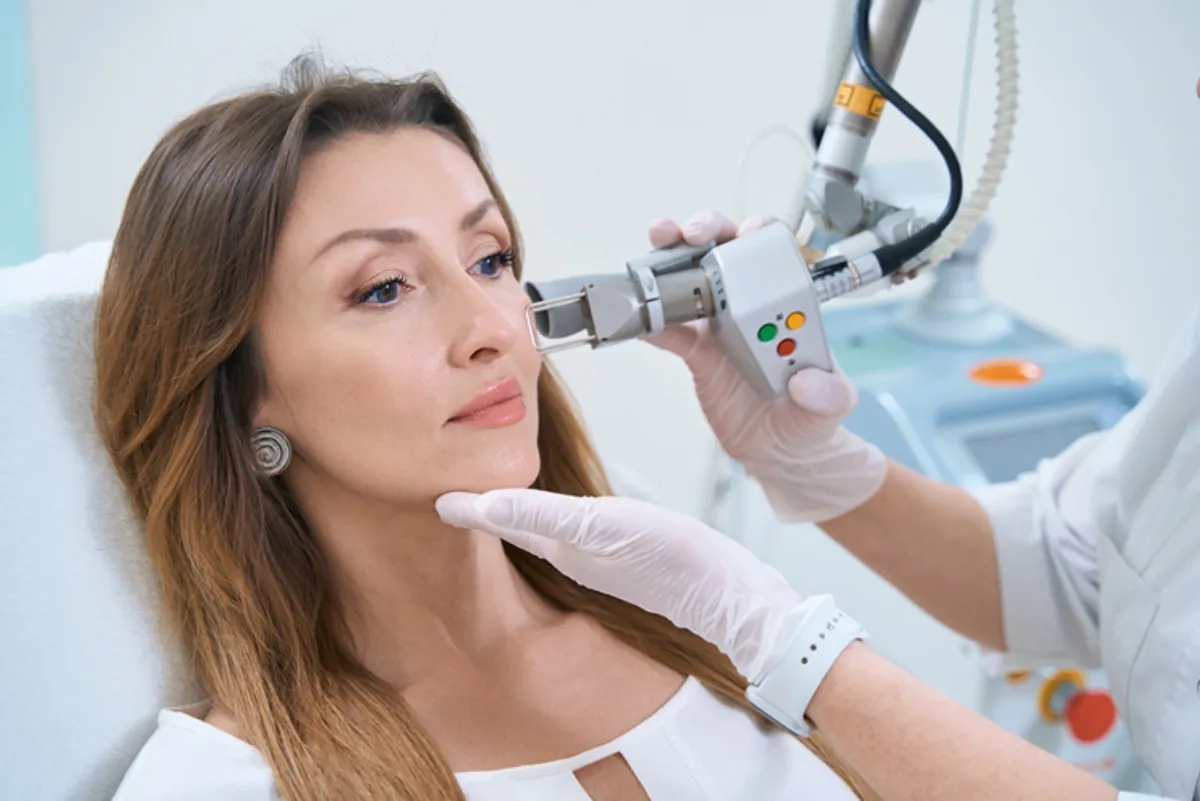
- Laser therapy (e.g., Q‑switched or Alexandrite lasers) can soften or remove them.
- Surgical excision possible for small, localized areas but rarely recommended due to scarring risk.
- Complete clearance is challenging, and recurrence is possible.
DoctorPetit Insight: We approach these with honest consultation. If the spot is purely cosmetic and low-risk, we discuss patient goals versus realistic outcomes, especially regarding recurrence.
Unifying Thread: Always Include Prevention & Maintenance
No matter the pigmentation type, sun protection is your most powerful ally. Without it, even the best treatment plans can backfire. Think of SPF as the invisible fence—it protects progress and prevents relapse. We recommend daily SPF 50+, reapplied every 2–3 hours outdoors. Physical blockers are best for sensitive or pigment-prone skin.
Additionally:
- Be patient—topicals need 8–12 weeks; in-office treatments show results over time, not overnight.
- Skin tone matters—darker skin is prone to rebound pigmentation; customized, low-intensity treatments over a series are safer.
- Consistency is key—pigment fades gradually. Sudden stops in treatment often lead to relapse.
- Support the skin barrier—hydrating and anti-inflammatory ingredients help improve outcomes and reduce irritation.
Why Choose DoctorPetit Myeongdong?
At DoctorPetit, we see your skin as a living canvas—not a problem to fix. With 20+ years of experience in Asian facial anatomy and non‑invasive technologies, we design bespoke plans that blend precision, subtlety, and science.
- We tailor treatment based on pigment depth (epidermal vs. dermal)—not just the look.
- We layer modalities—topicals, peels, microneedling, gentle lasers—to amplify results gently.
- We communicate clearly—what to expect, when to expect it, and how to maintain.
- For international visitors, our multilingual team (Korean, English, Japanese, Chinese) ensures clarity every step of the way.
Think of managing pigmentation as cultivating clear skin—like nurturing a garden. You need the right seeds (science), gentle sun (sunscreen), and consistent watering (topicals + maintenance). We’re here to guide you through each season of that journey.
More articles
How to Rehydrate Skin Post-Fraxel Treatment
Discover how to rehydrate skin post-Fraxel treatment with expert tips to soothe, heal, and restore your glow. Learn the best skincare steps now!
Maintaining Lifting Results: When to Book Your Next Session
Discover how to maintain your lifting results and know exactly when to book your next session for lasting strength and performance gains. Learn more now!
What Is Lifting/Anti-Aging? Procedures, Results & Risks
Explore Lifting/Anti-Aging procedures, from non-surgical HIFU to SMAS facelifts. Learn about expected results, recovery times, and potential risks. Read more!
HA Filler Restylane Juvéderm Types Longevity Guide
Explore the differences between HA filler Restylane Juvéderm. Learn about types longevity and reversibility at DoctorPetit Myeongdong in Seoul. Book now
Back to Work Glow-Up: Skin Treatments with Zero Downtime
Refresh your look with zero-downtime skin treatments perfect for your back-to-work glow-up. Discover quick, effective options today!

Can You Workout After Thread Lifting? Here’s What to Know
Discover if you can work out after thread lifting, how long to wait, and tips for safe recovery. Stay fit without risking results—learn more now!
Face Slimming for Round Faces: Options That Work in Weeks
Discover effective face slimming options for round faces that show results in weeks. Explore top methods for a slimmer, more defined look.
LIZNE vs. Juvederm: What’s Better for Skin Texture Improvement?
Compare LIZNE vs. Juvederm for skin texture improvement. Discover which filler delivers smoother, rejuvenated skin. Learn more in our expert guide.
Is IPL a Good Idea for Maintenance? Pros and Cons
Explore the pros and cons of IPL for maintenance. Discover if it's right for long-term hair removal. Learn more before booking your next session!
ZERO Fat Injections: Melt Fat Without Surgery
Melt stubborn fat without surgery using ZERO Fat Injections. Discover this non-invasive treatment for fast, safe body contouring. Learn more today!
Mini Contouring Treatments That Show in Time for Your Photoshoot
Get camera-ready fast with mini contouring treatments that deliver visible results just in time for your photoshoot. Learn more & glow with confidence!

Best Petit Treatments to Do Before a Big Event
Discover the best petit treatments to glow before your big event. Quick, effective beauty boosts for radiant, event-ready skin. Learn more now!

How to Extend the Effects of Your Slimming Treatment
Discover effective tips to extend the effects of your slimming treatment. Maintain results longer with smart habits. Learn how to stay slim!
Do Vitamin Drips Help with Skin Whitening? Here's the Science
Discover the truth about vitamin drips for skin whitening. Explore the science, benefits, and risks behind this trending beauty treatment. Learn more now!
Tattoo Removal Seoul Laser vs USA: 2026 Full Guide
Is tattoo removal faster and cheaper in Seoul than the USA? Compare laser methods, session counts, costs and results for American patients 2026 guide.

Is Rejuran Right for Acne-Prone Skin? Here’s What to Know
Discover if Rejuran is right for acne-prone skin. Learn benefits, risks, and expert tips to help you decide. Find out more in this guide!
Lifting/Anti-Aging : What to Expect | DoctorPetit Myeongdong
Discover what to expect from Lifting/Anti-Aging treatments at DoctorPetit Myeongdong. Expert guidance on results, recovery, and premium Seoul aesthetic care.
The Top 5 Mistakes Patients Make When Booking Aesthetic Treatments
Avoid common pitfalls with aesthetic treatments. Discover the top 5 mistakes patients make before booking—know what to avoid. Learn more today!
Laser Hair Removal Seoul Korea: 2026 Complete Guide
Planning laser hair removal in Seoul Korea? Compare costs vs NYC, LA and Miami, learn which laser suits your skin type and discover DoctorPetit's 1:1 customized approach.

Dr. Lee Jeong-ryeong Reviews And Before & After: Doctorpepit
Read patient reviews and explore before-and-after results by Dr. Lee Jeong-ryeong at Doctorpepit Myeongdong in Korea, known for advanced aesthetic treatments and natural results.