Mon–Fri 10:00–19:30 · Sat–Sun 10:00–18:00 (KST) · +82-2-6953-8433
en-US

Lasers and Tanned Skin: What You Need to Know Before Booking
Considering laser treatment on tanned skin? Discover risks, safety tips, and expert advice before you book. Learn what’s safe for your skin tone!

Introduction

You finally booked that laser treatment — maybe for pigmentation, texture, or a subtle lift — and your summer glow still lingers. Before you walk into a clinic with golden skin and high hopes, let’s pause. Tanned skin and laser treatments don’t always mix smoothly, and knowing why and how to prepare can make the difference between safe results and avoidable complications.
As a practicing aesthetic clinician at DoctorPetit Myeongdong, I’ve guided thousands of patients through treatment planning — including those with recent or ongoing tans. If you’re wondering what lasers can safely do on tanned skin, and how to time your appointments without risking burns or pigment issues, you’re in the right place.
Why Tanned Skin Matters for Laser Treatments
Laser energy targets specific chromophores — molecules that absorb light — such as melanin in hair and skin, hemoglobin in blood vessels, and water in deeper tissues. Most lasers work by converting light into heat to break up pigment, stimulate collagen, or ablate tissue.
Here’s the catch: melanin is a magnet for laser energy. When skin is tanned — whether from sun exposure, tanning beds, or self‑tanners — melanin levels rise. That’s great for a healthy bronze, but not ideal when we need lasers to selectively target deeper tissues without affecting the surface.
In tanned skin:
- The epidermis absorbs more energy, increasing the risk of overheating.
- This can cause hyperpigmentation (dark spots), hypopigmentation (light spots), burns, or scarring.
- Some lasers are simply not safe on tanned skin — even if you feel it looks uniform and healthy.
The overarching concept is this: we want the laser to treat the intended target, not the surface melanin. Too much melanin in the epidermis acts like interference, redirecting heat to the wrong place.
That’s why scheduling a laser appointment without considering your tan isn’t just a scheduling error — it’s a safety concern.
Types of Tans and How They Affect Lasers
Not all tans are created equal — and some are more problematic for lasers than others.
1. Sun‑Induced Tan
A sun tan is your skin’s inflammatory response to UV damage. The deeper and darker the tan, the more melanin is present.
Recovery window before laser: 3–8 weeks, depending on depth and intensity.
Why this matters: Sun‑induced tans often involve DNA changes and reactive pigment production — meaning the skin is sensitized and prone to post‑inflammatory pigment changes if treated prematurely.
2. Tanning Beds
These still use UV light — just from a lamp instead of the sun.
Because tanning beds can produce deeper and more uniform pigmentation, they often require a longer wait before safe laser treatment.
Recommended wait time: 8+ weeks after last use.
3. Self‑Tanners and Spray Tans
Many people assume that fake tans are harmless before lasers — but it’s more complicated.
Fake tans use dihydroxyacetone (DHA) that interacts with the top layer of skin, creating a temporary pigment.
- For non‑ablative lasers (like low‑energy resurfacing or gentle hair removal), it may be okay if all the DHA has faded.
- For ablative or pigment‑targeting treatments, even residual DHA can alter energy absorption and distort results.
Best practice: Wait until the self‑tan is fully gone, and exfoliate lightly a few days before treatment.
Which Laser Treatments Are Most Affected by Tans?
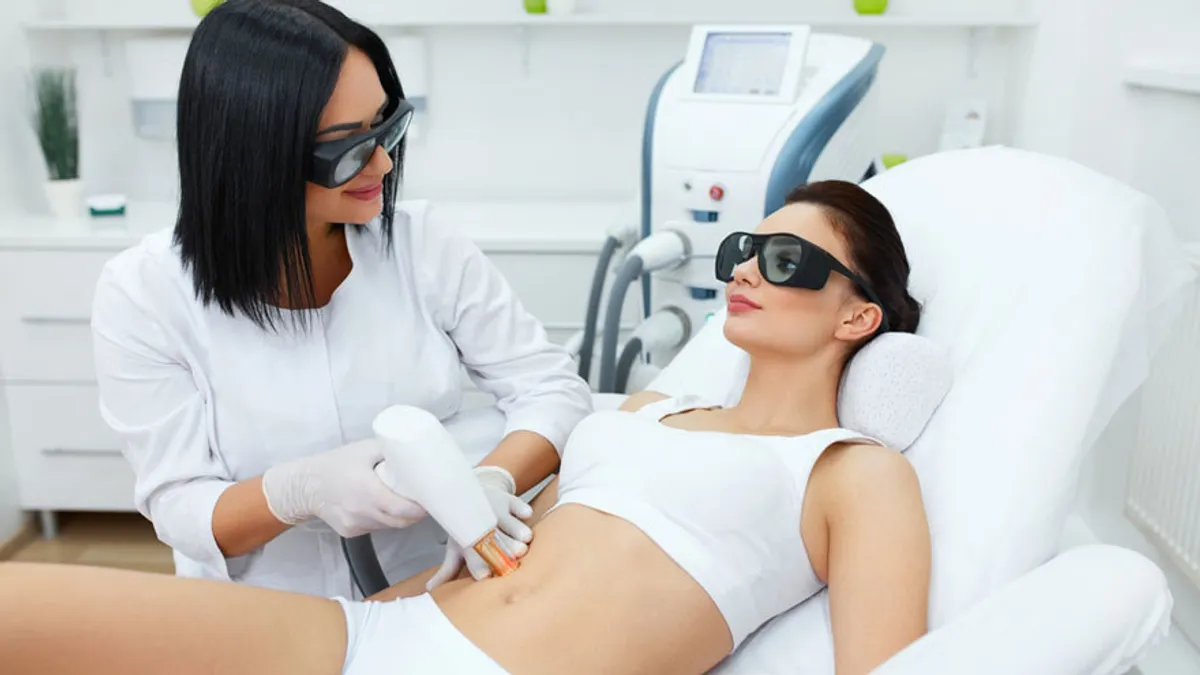
Let’s break this down by common procedures and how much caution they require.
Laser Hair Removal
Laser hair removal targets melanin in the hair shaft, not skin. But when skin is tanned, the device may preferentially heat the epidermis instead of hair follicles.
Risks:
- Burns
- Blistering
- Pigment changes
Certain lasers — like Nd:YAG — are safer on darker skin and mild tans, because their wavelength penetrates deeper and is less absorbed by surface melanin. But even then, it’s safest to treat untanned skin.
Pigment & Sun Spot Lasers (Q‑Switched, Pico)
These lasers specifically target melanin. If the skin is tanned:
- The device can treat normal tan pigment as though it were an unwanted lesion.
- This increases the risk of burns, blistering, and uneven pigment outcomes.
Preparation: Wait until tan has faded completely, and consider a consultation to assess remaining pigmentation.
Laser Resurfacing (Fraxel, CO₂, Er:YAG)
These work by creating controlled micro‑injury to stimulate collagen and improve texture.
Surface melanin shifts how energy is absorbed and can:
- Worsen inflammation
- Lead to prolonged redness
- Trigger undesirable pigment changes
Not recommended on recently tanned skin.
Vascular & Redness Lasers (PDL, IPL)
Although these target blood vessels, a tan can still interfere because broad‑spectrum devices like IPL (Intense Pulsed Light) are absorbed by melanin too.
That means:
- Less energy reaches vessels
- More heat is absorbed superficially
Expert practitioners may adjust parameters, but the best practice remains: treat untanned skin for optimal safety and results.
Timing Is Everything: How Long to Wait After a Tan
It depends on severity, skin type, and the treatment.
| Tan Type | Suggested Wait Time Before Laser |
|---|---|
| Light, fading sun tan | 2–4 weeks |
| Deep sun tan | 4–8 weeks |
| Tanning bed | 8+ weeks |
| Self‑tanner (DHA)** | Until fully faded |
* These are general guidelines — individual skin behavior may vary. Always consult your clinician.
Skin Type Matters — Especially with Tans
Everyone’s skin pigment baseline is different, and that affects how lasers behave.
Asians, Mediterranean, African, and Latin American skin types tend to have higher baseline melanin — meaning they are more prone to pigmentary shifts after injuries (including lasers).
That doesn’t mean lasers can’t be done — far from it. It means planning matters more.
For patients with naturally deeper tones:
- We often use longer‑wavelength lasers (e.g., Nd:YAG)
- We space sessions longer
- We pre‑prep skin with calming, strengthening regimens
If you’ve tanned recently, these considerations multiply — not because you’re unsafe, but because precision matters.
How to Prepare Your Skin Before Laser (Even With a Past Tan)

Whether you just ended your beach vacation or your self‑tan pad is buried somewhere in your vanity, here’s a practical, clinician‑approved prep plan:
1. Let the Tan Fade Naturally
No rushed exfoliation or chemical peels under a tan. Patience is your best tool here.
2. Hydration & Barrier Support
Use gentle moisturizers with ceramides, hyaluronic acid, and niacinamide. A well‑hydrated epidermis tolerates energy better.
3. Shield From UV
After tanning, even if fading, avoid new UV exposure. Melanin induction can linger, increasing risk.
4. Consider Topical Brighteners (Post‑Tan)
For stubborn residual pigment before treatment, a clinician may recommend:
- Azelaic acid
- Mild retinoids
- Vitamin C
These can even out tone — but only under professional guidance.
5. Book a Consultation First
This matters more than you think. A trained clinician can:
- Assess how much melanin is truly active
- Choose the safest device
- Tailor treatment parameters
That’s especially true if you tan easily, or if your skin type tends toward pigmentary reactions.
Can You Laser During a Vacation Glow?
A short answer: You can — but only in limited, safe scenarios.
Some gentle devices — like low‑energy non‑ablative lasers or Nd:YAG hair removal — can be adjusted for minimal melanin absorption. But this is conditional, not universal.
We still advise:
- No aggressive resurfacing
- No pigment‑breaking lasers
- No IPL on freshly darkened skin
Your clinician should confirm safety in person, ideally with an epidermal melanin assessment.
Real‑World Patient Insight: The “Delayed Burn” Surprise
One of the most common stories I hear is:
“I didn’t burn during the laser, but a few days later my skin darkened.”
That’s post‑inflammatory hyperpigmentation. What happened? The laser heated the epidermis more than expected because of residual tan pigment. At first it looked fine — only for melanin production to ramp up days later.
This is why waiting until tan has faded and planning with a pro is safer than guessing from how your skin looks.
FAQs: Tans and Lasers
Do fake tans protect me from laser risks?
No — cosmetic pigments can still change how light is absorbed. Only true fading of the color ensures safer energy delivery.
Can I exfoliate to remove a tan faster before laser?
Gentle exfoliation helps texture, but aggressive methods can irritate skin and make pigment even more reactive. Always discuss with your clinician first.
If I tan seasonally, should I avoid lasers altogether?
Not at all. You just plan smart: schedule treatments in less sunny months, or after tan fading periods.
Your Safety Comes First
At DoctorPetit Myeongdong, we believe every skin and every glow has a story. You shouldn’t have to choose between enjoying the sun and pursuing aesthetic goals — you just need the right timing and guidance.
Lasers can be transformative. But like all precision tools, they work best when the environment is predictable.
If you’ve been in the sun recently and are considering laser — let’s talk about when and how to treat your skin safely for natural, beautiful results. That’s the DoctorPetit approach — informed, individualized, and laser‑smart.
More articles
How to Rehydrate Skin Post-Fraxel Treatment
Discover how to rehydrate skin post-Fraxel treatment with expert tips to soothe, heal, and restore your glow. Learn the best skincare steps now!
Maintaining Lifting Results: When to Book Your Next Session
Discover how to maintain your lifting results and know exactly when to book your next session for lasting strength and performance gains. Learn more now!
What Is Lifting/Anti-Aging? Procedures, Results & Risks
Explore Lifting/Anti-Aging procedures, from non-surgical HIFU to SMAS facelifts. Learn about expected results, recovery times, and potential risks. Read more!
HA Filler Restylane Juvéderm Types Longevity Guide
Explore the differences between HA filler Restylane Juvéderm. Learn about types longevity and reversibility at DoctorPetit Myeongdong in Seoul. Book now
Back to Work Glow-Up: Skin Treatments with Zero Downtime
Refresh your look with zero-downtime skin treatments perfect for your back-to-work glow-up. Discover quick, effective options today!

Can You Workout After Thread Lifting? Here’s What to Know
Discover if you can work out after thread lifting, how long to wait, and tips for safe recovery. Stay fit without risking results—learn more now!

Face Slimming for Round Faces: Options That Work in Weeks
Discover effective face slimming options for round faces that show results in weeks. Explore top methods for a slimmer, more defined look.
LIZNE vs. Juvederm: What’s Better for Skin Texture Improvement?
Compare LIZNE vs. Juvederm for skin texture improvement. Discover which filler delivers smoother, rejuvenated skin. Learn more in our expert guide.
Is IPL a Good Idea for Maintenance? Pros and Cons
Explore the pros and cons of IPL for maintenance. Discover if it's right for long-term hair removal. Learn more before booking your next session!
ZERO Fat Injections: Melt Fat Without Surgery
Melt stubborn fat without surgery using ZERO Fat Injections. Discover this non-invasive treatment for fast, safe body contouring. Learn more today!
Mini Contouring Treatments That Show in Time for Your Photoshoot
Get camera-ready fast with mini contouring treatments that deliver visible results just in time for your photoshoot. Learn more & glow with confidence!

Best Petit Treatments to Do Before a Big Event
Discover the best petit treatments to glow before your big event. Quick, effective beauty boosts for radiant, event-ready skin. Learn more now!

How to Extend the Effects of Your Slimming Treatment
Discover effective tips to extend the effects of your slimming treatment. Maintain results longer with smart habits. Learn how to stay slim!
Do Vitamin Drips Help with Skin Whitening? Here's the Science
Discover the truth about vitamin drips for skin whitening. Explore the science, benefits, and risks behind this trending beauty treatment. Learn more now!
Tattoo Removal Seoul Laser vs USA: 2026 Full Guide
Is tattoo removal faster and cheaper in Seoul than the USA? Compare laser methods, session counts, costs and results for American patients 2026 guide.

Is Rejuran Right for Acne-Prone Skin? Here’s What to Know
Discover if Rejuran is right for acne-prone skin. Learn benefits, risks, and expert tips to help you decide. Find out more in this guide!
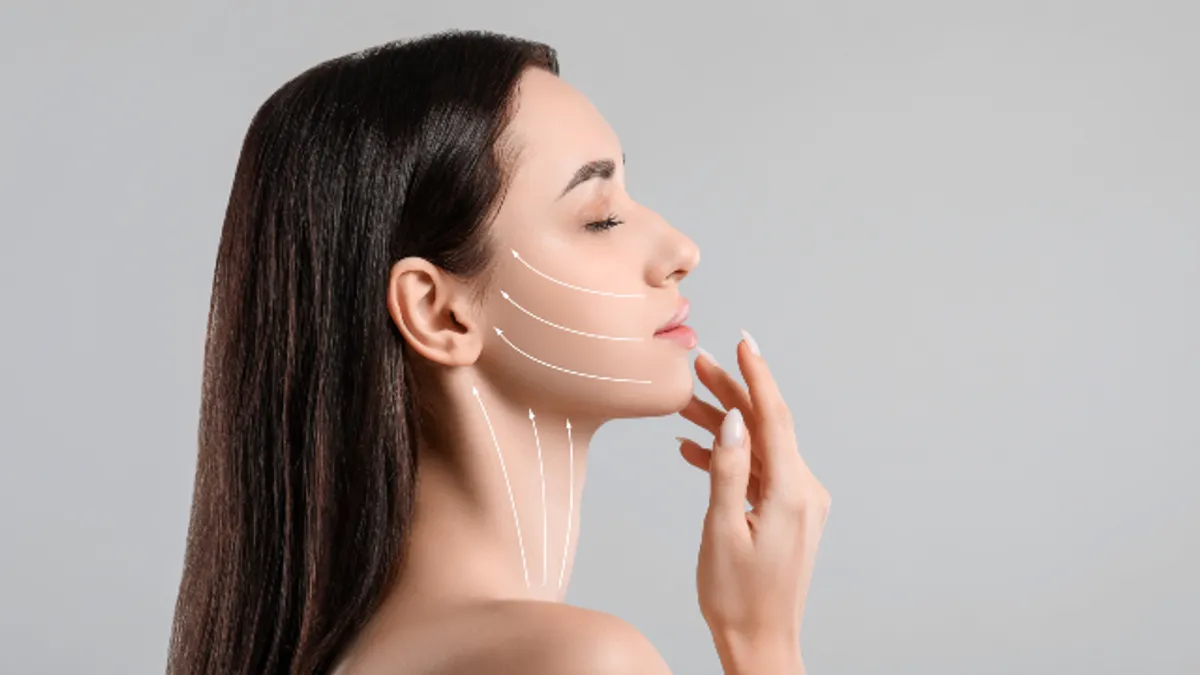
Lifting/Anti-Aging : What to Expect | DoctorPetit Myeongdong
Discover what to expect from Lifting/Anti-Aging treatments at DoctorPetit Myeongdong. Expert guidance on results, recovery, and premium Seoul aesthetic care.

The Top 5 Mistakes Patients Make When Booking Aesthetic Treatments
Avoid common pitfalls with aesthetic treatments. Discover the top 5 mistakes patients make before booking—know what to avoid. Learn more today!
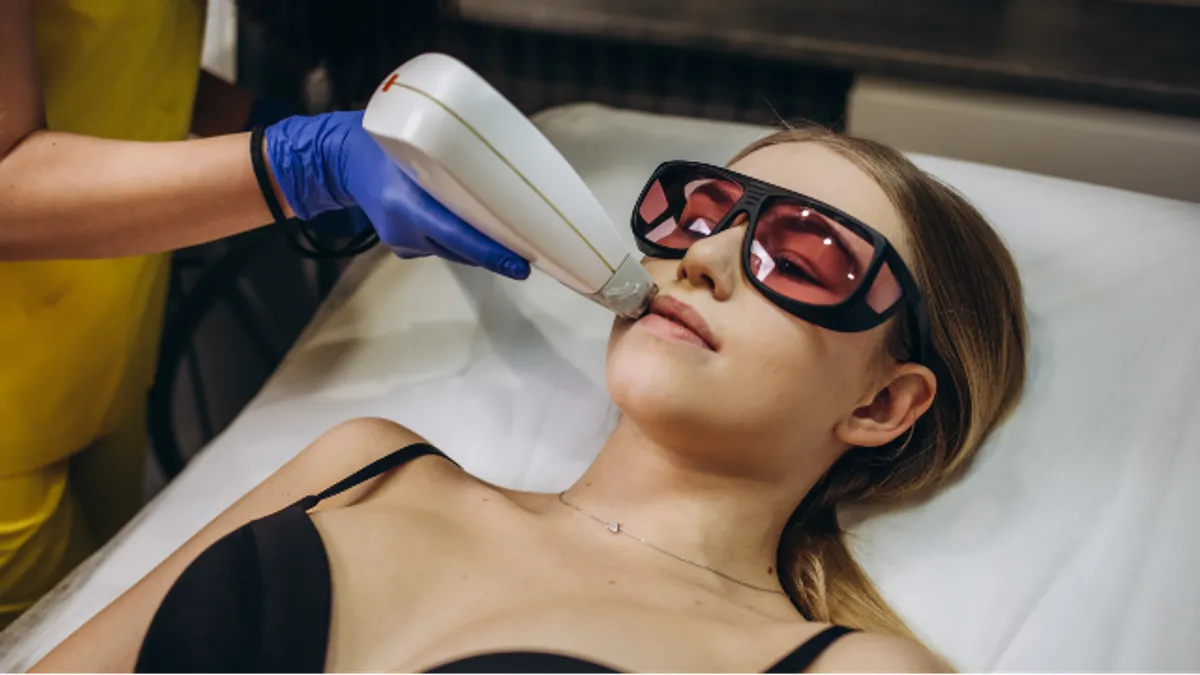
Laser Hair Removal Seoul Korea: 2026 Complete Guide
Planning laser hair removal in Seoul Korea? Compare costs vs NYC, LA and Miami, learn which laser suits your skin type and discover DoctorPetit's 1:1 customized approach.

Dr. Lee Jeong-ryeong Reviews And Before & After: Doctorpepit
Read patient reviews and explore before-and-after results by Dr. Lee Jeong-ryeong at Doctorpepit Myeongdong in Korea, known for advanced aesthetic treatments and natural results.