Mon–Fri 10:00–19:30 · Sat–Sun 10:00–18:00 (KST) · +82-2-6953-8433
en-US

Laser or Infusion: What Works Faster for Pigmentation?
Discover whether laser treatment or skin infusion works faster for pigmentation. Compare results, benefits & timelines. Learn which suits you best!
Introduction
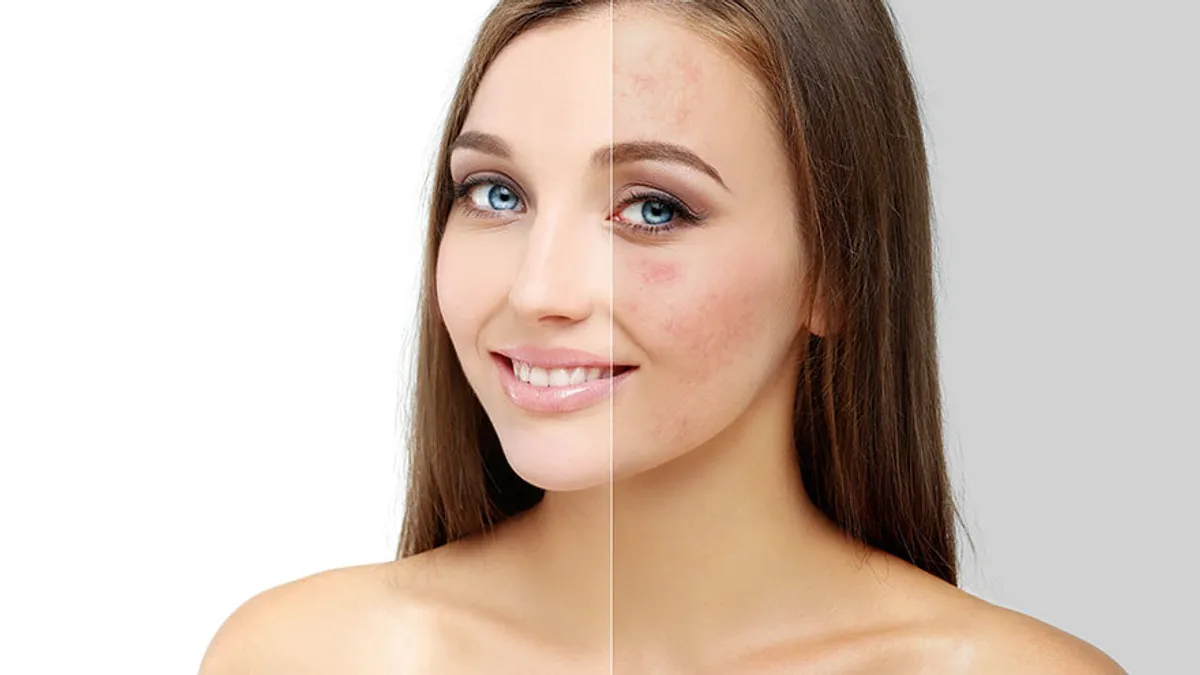
If you’re noticing dark spots, uneven tone, or post-acne pigmentation, it’s natural to ask: What will fix this faster — laser or infusion therapy? At DoctorPetit Myeongdong, we help patients navigate this exact decision every day. Below, we break down the differences, the science, and how to make the right choice for your skin.
Understanding the Treatments
Laser Treatments for Pigmentation
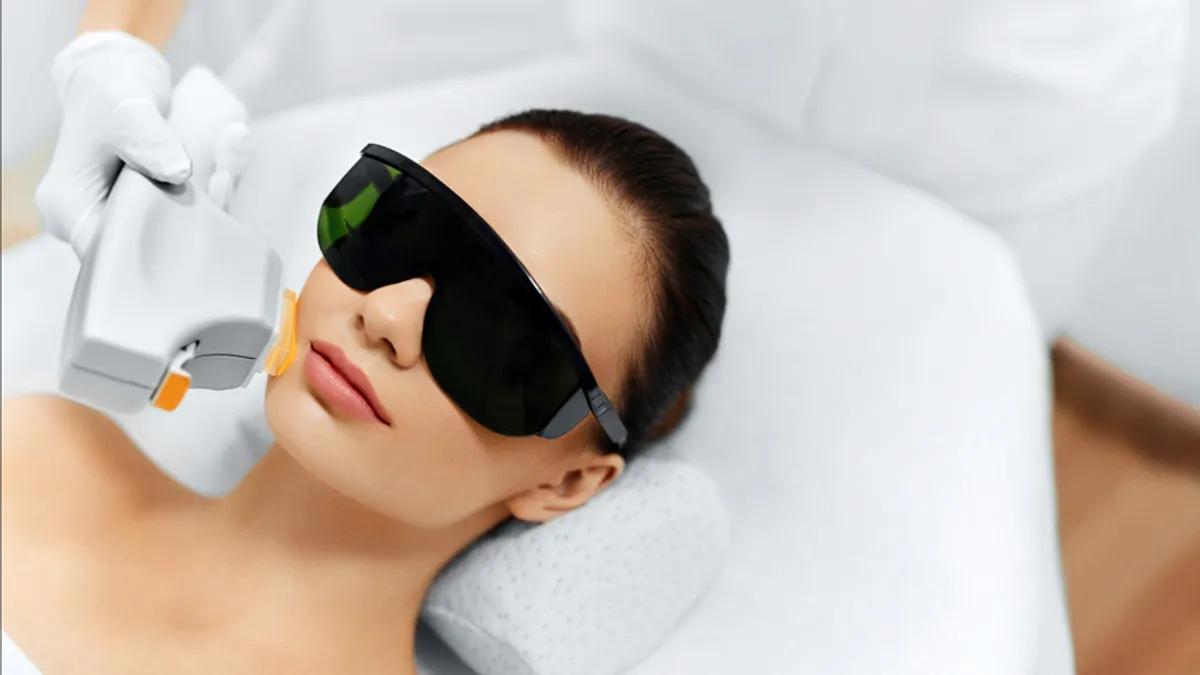
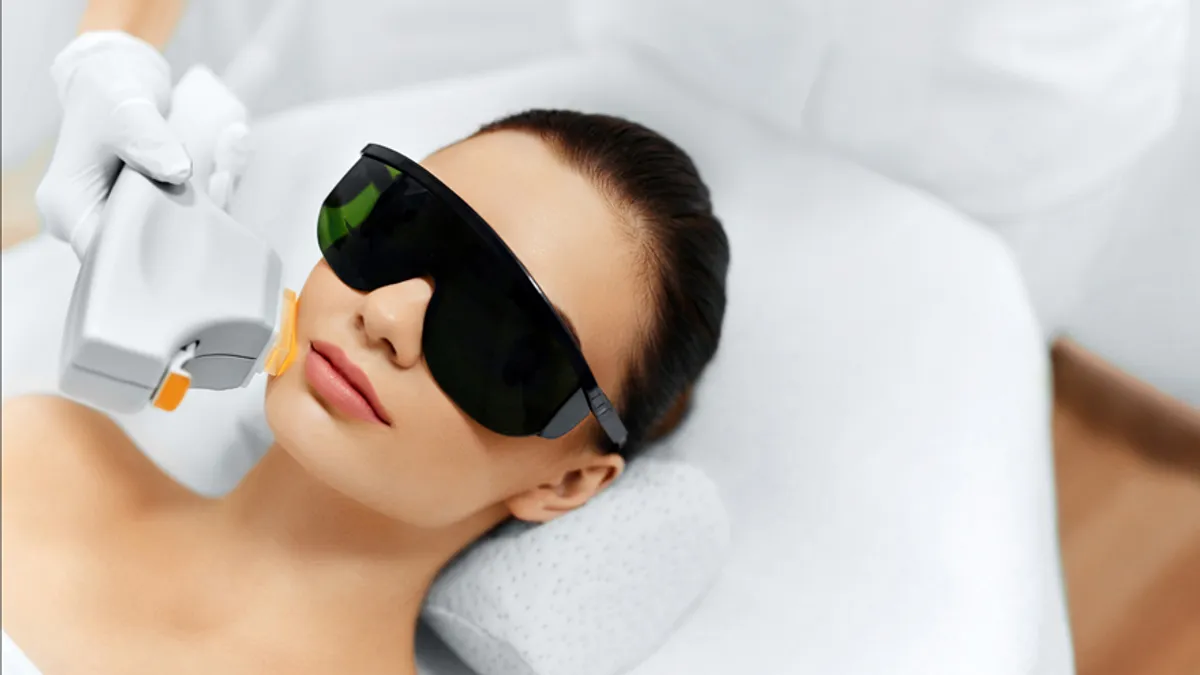
Laser therapy uses specific wavelengths of light to target melanin clusters in the skin. These treatments, such as Pico, Q-switched, or fractional lasers, break down pigment into smaller fragments that the body can naturally clear away. It's a physical intervention and can yield rapid, visible changes. The type of laser selected depends on the depth and cause of pigmentation, as well as skin tone and sensitivity.
Common technologies used at DoctorPetit:
- PicoSure: Delivers ultra-short bursts of energy to shatter pigment without damaging surrounding tissue. Ideal for treating both dark spots and acne scars.
- Q-switched Nd:YAG: A gold standard in treating pigmented lesions, this laser is especially effective on Asian skin types due to its precision and lower risk of thermal injury.
- Fractional non-ablative lasers: Useful for melasma and diffuse hyperpigmentation, these create micro-zones of injury to stimulate renewal while minimizing downtime.
Lasers are highly customizable, but they must be used carefully. Especially for skin types III to V (common in Korean, East Asian, and Southeast Asian patients), improper settings can lead to rebound pigmentation or post-inflammatory hyperpigmentation (PIH).
Infusion Therapy for Pigmentation
Infusion therapy delivers antioxidants (like glutathione and vitamin C) directly into the bloodstream or skin layers. These nutrients reduce oxidative stress, inhibit melanin production, and promote overall skin clarity. The approach is more systemic and supports cellular repair across the entire skin surface.
Typical components:
- Glutathione: A master antioxidant that inhibits tyrosinase, the enzyme involved in melanin production.
- Vitamin C: Promotes collagen synthesis and reduces oxidative damage while brightening the skin.
- N-acetyl cysteine (NAC): A precursor to glutathione and a powerful detoxifying agent.
Infusion therapy is also used to enhance results post-laser by reducing inflammation, improving recovery, and supporting skin metabolism.
Which One Works Faster?
Laser: Faster Visible Results
Laser treatments typically provide faster and more noticeable improvements in pigmentation. This is because they act directly on melanin deposits rather than altering melanin production systemically.
Benefits:
- Ideal for epidermal pigmentation such as sunspots, lentigines, and freckles.
- Significant changes are often visible within 2–4 weeks post-treatment.
- Suitable laser types can also address dermal pigmentation with repeated sessions.
Considerations:
- May require multiple sessions depending on the pigmentation depth and individual skin response.
- Requires post-care, including strict sun protection and skin barrier support.
- Risks include redness, swelling, and in rare cases, PIH, especially in darker skin tones.
Infusion: Gradual Internal Support
Infusion therapy works more slowly but provides benefits across a broader range of skin functions. Because it boosts overall antioxidant levels and supports immune response, patients often see gradual brightening, improved tone, and better resilience against environmental stressors.
Benefits:
- Safe for all skin types, including sensitive or reactive skin.
- Provides anti-aging and immune-support benefits beyond pigmentation.
- Enhances the outcome of other therapies such as lasers or peels.
Considerations:
- Results typically appear after 3–6 sessions, spaced weekly or biweekly.
- Best used for diffuse pigmentation, dullness, or as maintenance therapy.
- Not ideal for rapid clearance of stubborn pigment spots.
Bottom Line: If you want fast, targeted improvement, laser is generally quicker. If you prefer gentler, overall tone improvement, infusion may suit you better.
How We Decide at DoctorPetit Myeongdong
Every skin is different, so we begin with a thorough, personalized consultation that includes:
- Digital skin analysis: To measure pigmentation depth and distribution
- Medical history: Including sun exposure, hormonal fluctuations, previous treatments
- Skin type classification: Particularly important in Asian and multicultural skin care
Typical recommendations:
- Laser for distinct, shallow pigment spots and faster results. For example, a traveler with sunspots who wants clear skin before a photoshoot or event.
- Infusion for diffuse discoloration, low downtime, and long-term tone improvement. This is common among office workers or those experiencing chronic dullness and fatigue.
- Combination for optimal outcomes: laser targets spots; infusion sustains clarity and improves skin resilience.
We also adjust treatment strategies depending on the season. For instance, during Seoul’s high UV months, we may prioritize infusion and skincare to avoid laser-associated PIH.
Treatment Comparison Table
| Factor | Laser Treatment | Infusion Therapy |
|---|---|---|
| Speed | Faster (2–4 weeks for visible results) | Slower (3–6 sessions over weeks to months) |
| Target Depth | Surface & some deeper pigment (epidermal/dermal) | Systemic melanin regulation and skin metabolism |
| Downtime | Mild to moderate (redness, sensitivity, peeling possible) | Minimal to none |
| Risk in Asian Skin | Higher if improperly applied (requires experience and protocol) | Very low risk, suitable for all skin types |
| Best For | Spot-targeting, fast aesthetic results | Overall brightening, maintenance, systemic support |
What Patients Need to Know
Don’t Assume One Session Fixes Everything
A common misconception is that a single laser session will erase all pigmentation. In reality:
- Most patients need 2–4 sessions, spaced 4–6 weeks apart
- Improvement is gradual; pigmentation lightens, fades, and blends with natural tone
- For conditions like melasma, complete resolution is rare; management is the goal
Long-Term Results Need Maintenance
Pigmentation can recur due to sun exposure, hormonal shifts, or skin trauma. Maintenance strategies include:
- Daily sunscreen (SPF 50+), even indoors
- Topical pigment inhibitors: niacinamide, tranexamic acid, retinoids
- Hydrating, barrier-strengthening products
- Regular infusions to enhance antioxidant capacity
Choose Based on Lifestyle and Needs
- For time-sensitive situations (e.g. weddings, vacations, career photos), lasers offer fast impact.
- For patients with sensitive skin, darker tones, or minimal time for recovery, infusion provides a low-risk, health-boosting option.
- For international visitors, we often recommend a laser + infusion combo, followed by take-home skincare and digital follow-up.
DoctorPetit’s Real-World Advice
- Consult First: Every pigmentation case is unique. A skin scan helps us see what the naked eye can’t.
- Combine for Best Results: Think of laser as the "eraser" and infusion as the "shield." One clears pigment; the other strengthens skin against future discoloration.
- Be Patient: Even rapid methods take time. Our goal isn’t extreme transformation, but harmonious enhancement.
- Mind Your Triggers: Acne picking, hormonal shifts, poor sun habits, and harsh skincare often worsen pigmentation. Addressing lifestyle is as critical as treatment.
Final Thoughts
So, what works faster for pigmentation? Laser treatments generally win on speed. But at DoctorPetit Myeongdong, we believe the best results come from strategic combinations tailored to your face, lifestyle, and goals. Whether you’re in Seoul for a short trip or managing pigmentation long-term, your treatment plan should reflect your needs, not just the technology.
If you're considering pigmentation treatment while in Seoul, our multilingual team (Korean, English, Japanese, Chinese) is here to help you navigate your options safely and effectively. We use FDA-certified equipment, evidence-based methods, and realistic protocols suited to Asian skin types and global travelers.
Ready to refine your skin? Book a consultation at DoctorPetit Myeongdong and let’s build a clear, confident treatment path together.
More articles
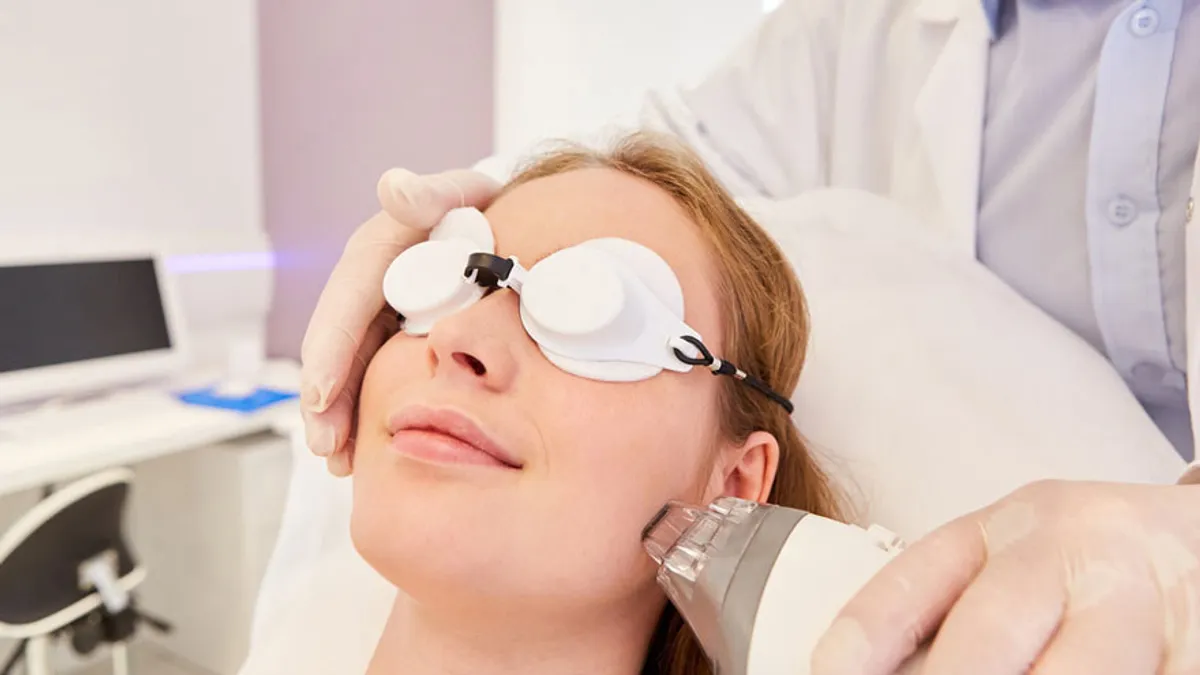
How to Rehydrate Skin Post-Fraxel Treatment
Discover how to rehydrate skin post-Fraxel treatment with expert tips to soothe, heal, and restore your glow. Learn the best skincare steps now!
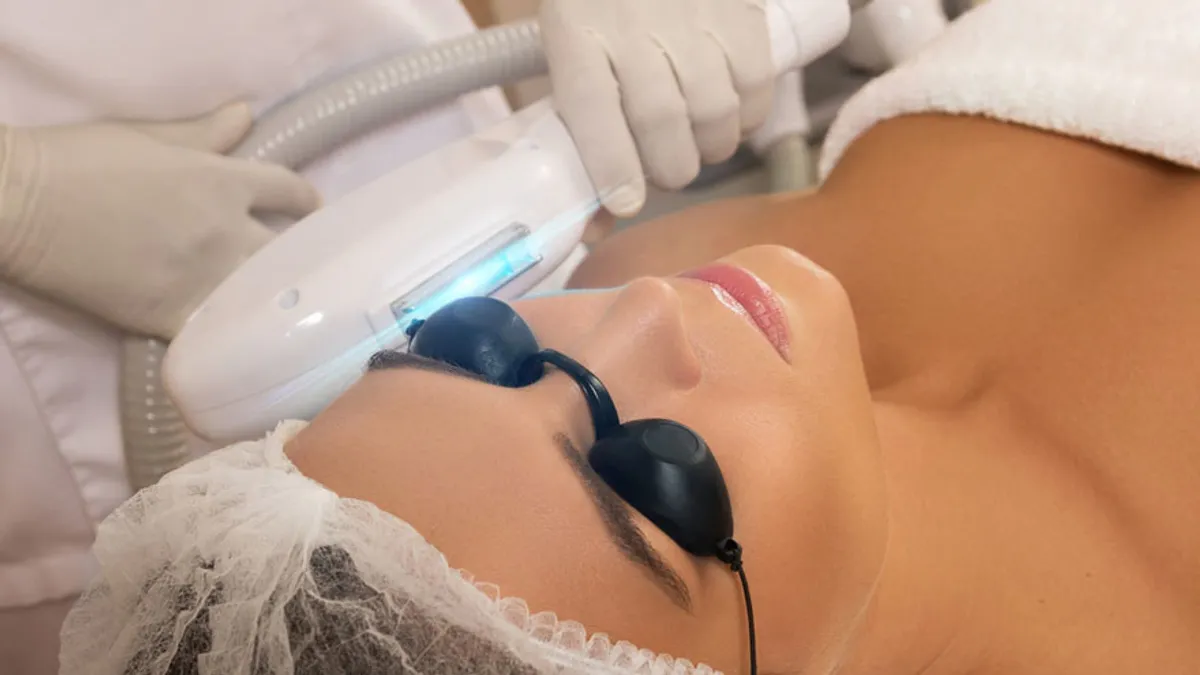
Maintaining Lifting Results: When to Book Your Next Session
Discover how to maintain your lifting results and know exactly when to book your next session for lasting strength and performance gains. Learn more now!
What Is Lifting/Anti-Aging? Procedures, Results & Risks
Explore Lifting/Anti-Aging procedures, from non-surgical HIFU to SMAS facelifts. Learn about expected results, recovery times, and potential risks. Read more!
HA Filler Restylane Juvéderm Types Longevity Guide
Explore the differences between HA filler Restylane Juvéderm. Learn about types longevity and reversibility at DoctorPetit Myeongdong in Seoul. Book now
Back to Work Glow-Up: Skin Treatments with Zero Downtime
Refresh your look with zero-downtime skin treatments perfect for your back-to-work glow-up. Discover quick, effective options today!

Can You Workout After Thread Lifting? Here’s What to Know
Discover if you can work out after thread lifting, how long to wait, and tips for safe recovery. Stay fit without risking results—learn more now!
Face Slimming for Round Faces: Options That Work in Weeks
Discover effective face slimming options for round faces that show results in weeks. Explore top methods for a slimmer, more defined look.
LIZNE vs. Juvederm: What’s Better for Skin Texture Improvement?
Compare LIZNE vs. Juvederm for skin texture improvement. Discover which filler delivers smoother, rejuvenated skin. Learn more in our expert guide.
Is IPL a Good Idea for Maintenance? Pros and Cons
Explore the pros and cons of IPL for maintenance. Discover if it's right for long-term hair removal. Learn more before booking your next session!
ZERO Fat Injections: Melt Fat Without Surgery
Melt stubborn fat without surgery using ZERO Fat Injections. Discover this non-invasive treatment for fast, safe body contouring. Learn more today!
Mini Contouring Treatments That Show in Time for Your Photoshoot
Get camera-ready fast with mini contouring treatments that deliver visible results just in time for your photoshoot. Learn more & glow with confidence!
Best Petit Treatments to Do Before a Big Event
Discover the best petit treatments to glow before your big event. Quick, effective beauty boosts for radiant, event-ready skin. Learn more now!

How to Extend the Effects of Your Slimming Treatment
Discover effective tips to extend the effects of your slimming treatment. Maintain results longer with smart habits. Learn how to stay slim!
Do Vitamin Drips Help with Skin Whitening? Here's the Science
Discover the truth about vitamin drips for skin whitening. Explore the science, benefits, and risks behind this trending beauty treatment. Learn more now!
Tattoo Removal Seoul Laser vs USA: 2026 Full Guide
Is tattoo removal faster and cheaper in Seoul than the USA? Compare laser methods, session counts, costs and results for American patients 2026 guide.
Is Rejuran Right for Acne-Prone Skin? Here’s What to Know
Discover if Rejuran is right for acne-prone skin. Learn benefits, risks, and expert tips to help you decide. Find out more in this guide!
Lifting/Anti-Aging : What to Expect | DoctorPetit Myeongdong
Discover what to expect from Lifting/Anti-Aging treatments at DoctorPetit Myeongdong. Expert guidance on results, recovery, and premium Seoul aesthetic care.
The Top 5 Mistakes Patients Make When Booking Aesthetic Treatments
Avoid common pitfalls with aesthetic treatments. Discover the top 5 mistakes patients make before booking—know what to avoid. Learn more today!
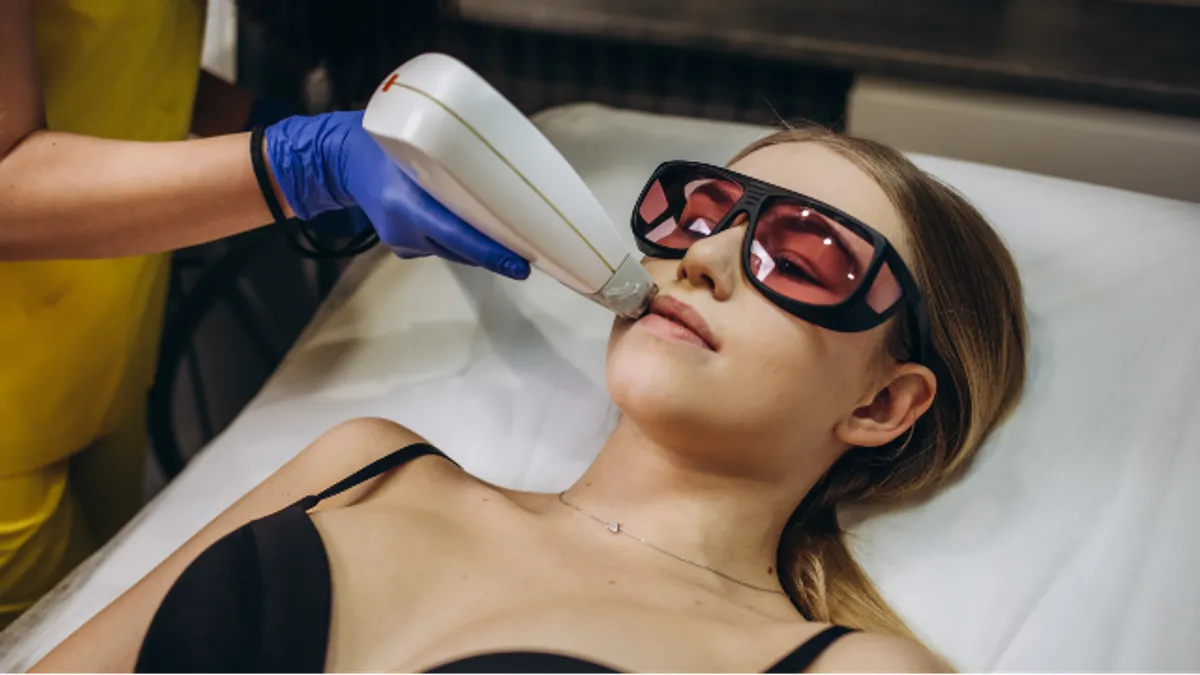
Laser Hair Removal Seoul Korea: 2026 Complete Guide
Planning laser hair removal in Seoul Korea? Compare costs vs NYC, LA and Miami, learn which laser suits your skin type and discover DoctorPetit's 1:1 customized approach.

Dr. Lee Jeong-ryeong Reviews And Before & After: Doctorpepit
Read patient reviews and explore before-and-after results by Dr. Lee Jeong-ryeong at Doctorpepit Myeongdong in Korea, known for advanced aesthetic treatments and natural results.