Mon–Fri 10:00–19:30 · Sat–Sun 10:00–18:00 (KST) · +82-2-6953-8433
en-US

Do Threads Break Under the Skin? Separating Fact from Fiction
Discover how robot-assisted rhinoplasty is revolutionizing facial surgery with unmatched precision and outcomes. Explore the future of nose reshaping today.

Introduction

A thread lift is a minimally invasive cosmetic procedure. Thin medical threads are inserted just under the skin (in the subcutaneous or superficial fat layer, sometimes a bit deeper) to lift sagging tissues, especially in areas like the cheeks, jawline, brows, and neck.
The threads are typically absorbable / biodegradable — made from materials such as:
- PDO (polydioxanone)
- PLLA (poly-L-lactic acid)
- PCL (polycaprolactone)
These materials are well-studied in surgical and aesthetic medicine, with known timelines for absorption and tissue interaction.
The lift effect is twofold:
- Mechanical support — the threads physically reposition skin.
- Biostimulation — the presence of threads triggers mild inflammation that stimulates collagen production, leading to long-term firming.
This makes thread lifts popular among patients seeking subtle, natural rejuvenation without surgery or long recovery times.
What People Mean by “Break Under the Skin”
When patients ask, "Do threads break under the skin?" they usually mean:
- Do the threads physically snap / fracture inside the tissue?
- Do they move / migrate or become misplaced under the skin?
- Do they erode through the skin surface or cause visible issues?
Each of these is a different concern, and each has different causes and prevention strategies.
Can Threads Snap / Fracture Inside?
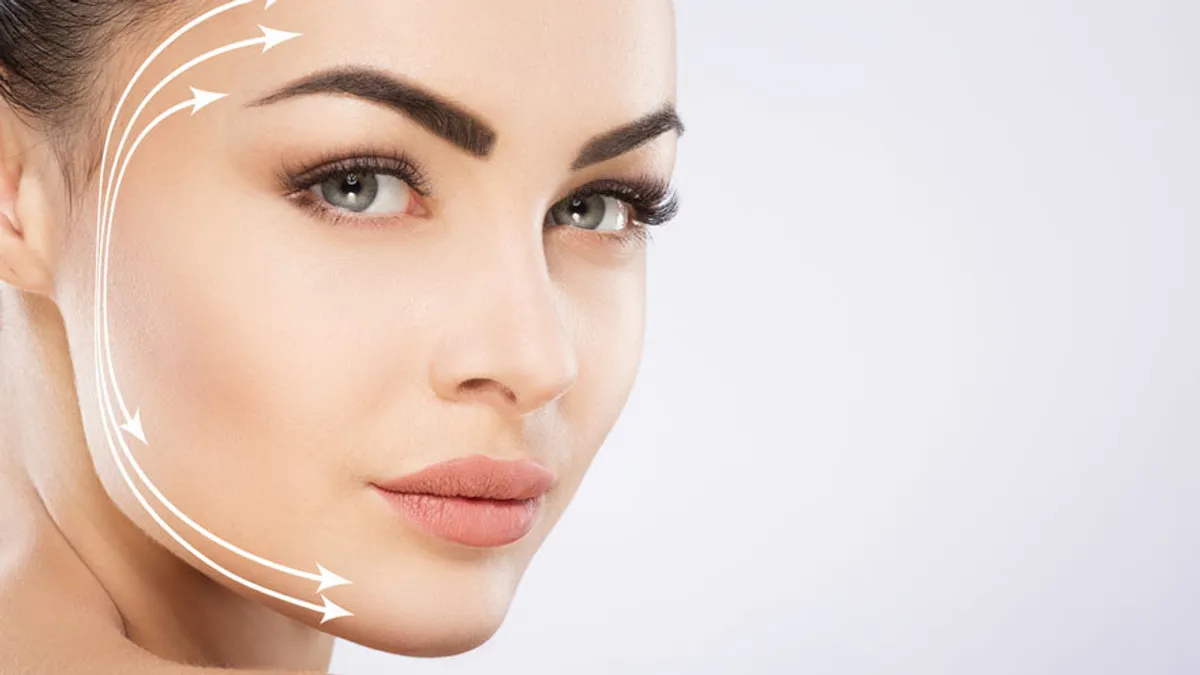
Yes, it’s technically possible, but rare when performed correctly.
Threads can fail mechanically if:
- They are under too much tension.
- They're inserted into high-mobility areas with thin support structures.
- Improper depth or angle is used during insertion.
- The thread type or design is mismatched to the treatment area (e.g., weak thread used for heavy lift).
However, in expert hands, these risks are minimized.
For example, at DoctorPetit Myeongdong, we evaluate:
- Skin thickness and elasticity
- Underlying facial anatomy
- Tissue resistance to lift tension
...before recommending thread type and placement. This isn’t a one-size-fits-all treatment.
Can Threads Migrate, Be Visible or Felt?
Yes. Thread migration can occur due to:
- Inadequate anchoring
- High facial movement early post-op
- Placing threads too superficially
- Inappropriate patient behavior (e.g., facial massage too soon)
When threads migrate, they may:
- Create visible lines or puckering under the skin
- Be palpable (you can feel them with your fingers)
- Cause irregular contours or dimpling
Certain anatomical zones are higher risk — such as around the nasolabial folds, temples, or periorbital area, especially in patients with thinner skin or less subcutaneous fat.
Can Threads Become Exposed (Erode Through Skin)?
This is uncommon, but not impossible.
If threads are:
- Improperly buried
- Placed in too thin skin
- Or if there is local infection or poor healing
...the thread may extrude or become visible externally. This is more likely when using non-medical-grade threads or when the skin is not appropriately assessed beforehand.
At reputable clinics like DoctorPetit, all threads are:
- Certified, sterile, and absorbable
- Placed by trained professionals with anatomical precision
- Accompanied by post-procedure guidance to support safe healing
Do Threads "Break" as They Dissolve Naturally?
Yes, but this is part of the design, not a complication.
Threads are meant to degrade over time. Each material has a different lifespan:
- PDO: 6 months (collagen effect may last 12 months)
- PLLA: 12-18 months
- PCL: 18-24 months or more
What sometimes confuses patients is that threads may feel stiffer early on, and then "soften" or lose tension over weeks. This is normal. The lifting effect becomes less mechanical over time and more dependent on your own collagen.
When patients say, "I think the threads broke," they may actually be feeling:
- The thread losing tension
- Mild swelling or fibrosis
- Natural tissue changes during healing
What Increases the Risk of Thread Breakage or Complications?
Understanding risk factors helps you choose a safer path. Here are some to watch for:
| Risk Factor | How It Contributes |
|---|---|
| Thin skin / low fat | Less cushion = more visibility or irritation |
| Inexperienced provider | Poor placement = risk of snapping or dimpling |
| Cheap or non-certified threads | Can degrade unpredictably or lack tensile strength |
| Overcorrection or high tension | May lead to thread rupture or extrusion |
| Infection or poor healing | Tissue breakdown = thread migration or exposure |
| Aggressive facial movements | Can shift thread position before healing is stable |
Clinical Perspective: How Common Are These Issues?

While minor issues like swelling, bruising, or temporary dimpling are not rare (10-20% in some studies), actual thread breakage or extrusion is uncommon when done by professionals.
According to a study cited by Cadogan Clinic (UK), among 190 patients:
- 45% had temporary skin dimpling
- 17% had contour irregularity
- Only a small percentage had true thread exposure or migration
That said, quality matters:
- Clinics using unauthorized threads have reported problems like “spontaneous breakage” or chronic inflammation.
- Health Canada and similar agencies have issued warnings about non-medical thread use.
At DoctorPetit, we use KFDA-approved, globally certified materials and refuse to perform thread lifts on skin types that won’t support safe results.
Common Myths About Threads Breaking
Myth #1: "If the thread breaks, it will harm my face permanently."
Truth: Biodegradable threads are safely absorbed by the body. Even if one were to snap, it wouldn’t stay in the tissue forever or cause permanent damage in most cases.
Myth #2: "If I feel something under my skin, it means the thread failed."
Truth: It’s common to feel threads during healing. Over time, they become less noticeable as tissue integrates around them.
Myth #3: "Threads lifting your face means the skin is being pulled hard."
Truth: The best lifts are subtle and strategic. Over-tightening can create complications. A gentle repositioning with collagen stimulation offers more natural, safer results.
What You Should Ask Before Getting a Thread Lift
- Are these threads certified and absorbable?
- What kind of results can I expect, and how long will they last?
- What are the risks for my specific skin type and facial anatomy?
- What aftercare is required to reduce risks?
- What happens if something goes wrong — can the threads be removed or corrected?
A transparent consultation is crucial. At DoctorPetit Myeongdong, we take the time to:
- Educate patients on risks vs. results
- Use medical photography to assess facial symmetry and skin strength
- Set realistic expectations
That’s how we keep complication rates low while helping patients achieve visible, but natural rejuvenation.
Bottom Line: Separating Fact from Fiction
- Yes, threads can fail — they can snap, migrate, or cause minor surface irregularities.
- But most thread breaks are avoidable when proper technique, material, and patient education are used.
- Thread lifts are not permanent solutions, but they are powerful tools when combined with collagen-building treatments and good skincare.
If you’re considering this treatment in Seoul, choose a certified aesthetic clinic that understands your anatomy, skin type, and goals.
Patients who value transparency and visible—but natural—results often choose DoctorPetit Myeongdong for a reason.
We’re not just lifting faces. We’re preserving character and enhancing what’s already beautiful—safely, precisely, and naturally.
More articles
How to Rehydrate Skin Post-Fraxel Treatment
Discover how to rehydrate skin post-Fraxel treatment with expert tips to soothe, heal, and restore your glow. Learn the best skincare steps now!
Maintaining Lifting Results: When to Book Your Next Session
Discover how to maintain your lifting results and know exactly when to book your next session for lasting strength and performance gains. Learn more now!
What Is Lifting/Anti-Aging? Procedures, Results & Risks
Explore Lifting/Anti-Aging procedures, from non-surgical HIFU to SMAS facelifts. Learn about expected results, recovery times, and potential risks. Read more!
HA Filler Restylane Juvéderm Types Longevity Guide
Explore the differences between HA filler Restylane Juvéderm. Learn about types longevity and reversibility at DoctorPetit Myeongdong in Seoul. Book now
Back to Work Glow-Up: Skin Treatments with Zero Downtime
Refresh your look with zero-downtime skin treatments perfect for your back-to-work glow-up. Discover quick, effective options today!

Can You Workout After Thread Lifting? Here’s What to Know
Discover if you can work out after thread lifting, how long to wait, and tips for safe recovery. Stay fit without risking results—learn more now!

Face Slimming for Round Faces: Options That Work in Weeks
Discover effective face slimming options for round faces that show results in weeks. Explore top methods for a slimmer, more defined look.
LIZNE vs. Juvederm: What’s Better for Skin Texture Improvement?
Compare LIZNE vs. Juvederm for skin texture improvement. Discover which filler delivers smoother, rejuvenated skin. Learn more in our expert guide.
Is IPL a Good Idea for Maintenance? Pros and Cons
Explore the pros and cons of IPL for maintenance. Discover if it's right for long-term hair removal. Learn more before booking your next session!
ZERO Fat Injections: Melt Fat Without Surgery
Melt stubborn fat without surgery using ZERO Fat Injections. Discover this non-invasive treatment for fast, safe body contouring. Learn more today!
Mini Contouring Treatments That Show in Time for Your Photoshoot
Get camera-ready fast with mini contouring treatments that deliver visible results just in time for your photoshoot. Learn more & glow with confidence!

Best Petit Treatments to Do Before a Big Event
Discover the best petit treatments to glow before your big event. Quick, effective beauty boosts for radiant, event-ready skin. Learn more now!

How to Extend the Effects of Your Slimming Treatment
Discover effective tips to extend the effects of your slimming treatment. Maintain results longer with smart habits. Learn how to stay slim!
Do Vitamin Drips Help with Skin Whitening? Here's the Science
Discover the truth about vitamin drips for skin whitening. Explore the science, benefits, and risks behind this trending beauty treatment. Learn more now!
Tattoo Removal Seoul Laser vs USA: 2026 Full Guide
Is tattoo removal faster and cheaper in Seoul than the USA? Compare laser methods, session counts, costs and results for American patients 2026 guide.

Is Rejuran Right for Acne-Prone Skin? Here’s What to Know
Discover if Rejuran is right for acne-prone skin. Learn benefits, risks, and expert tips to help you decide. Find out more in this guide!
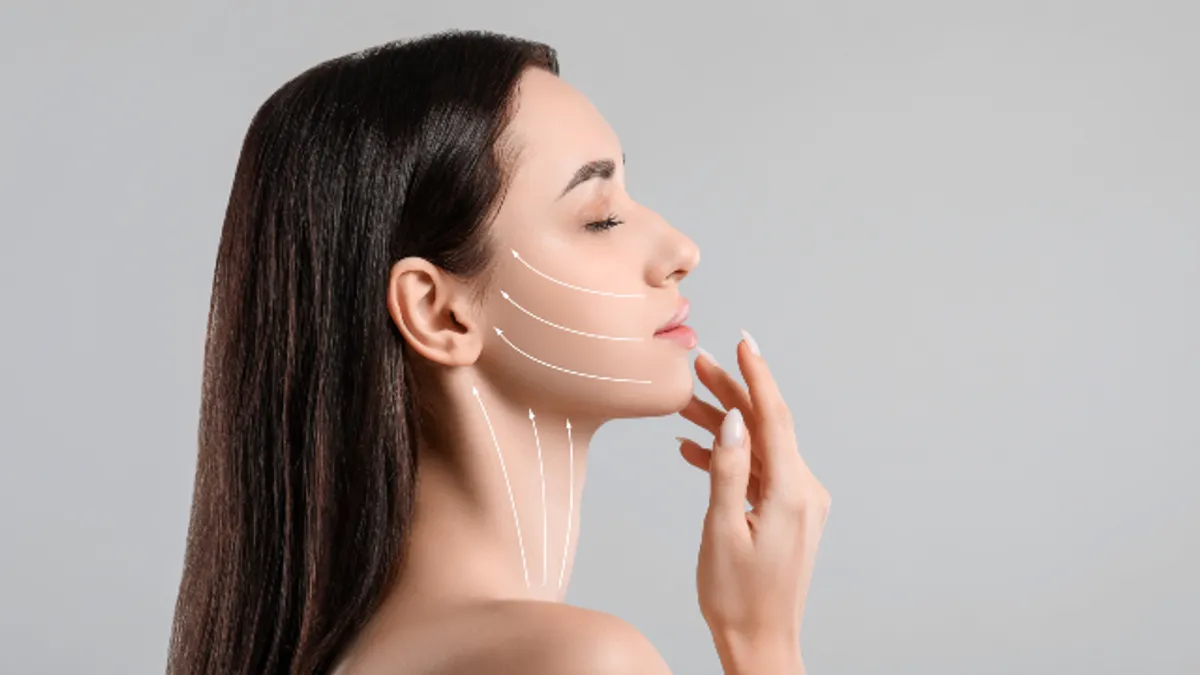
Lifting/Anti-Aging : What to Expect | DoctorPetit Myeongdong
Discover what to expect from Lifting/Anti-Aging treatments at DoctorPetit Myeongdong. Expert guidance on results, recovery, and premium Seoul aesthetic care.

The Top 5 Mistakes Patients Make When Booking Aesthetic Treatments
Avoid common pitfalls with aesthetic treatments. Discover the top 5 mistakes patients make before booking—know what to avoid. Learn more today!
Laser Hair Removal Seoul Korea: 2026 Complete Guide
Planning laser hair removal in Seoul Korea? Compare costs vs NYC, LA and Miami, learn which laser suits your skin type and discover DoctorPetit's 1:1 customized approach.

Dr. Lee Jeong-ryeong Reviews And Before & After: Doctorpepit
Read patient reviews and explore before-and-after results by Dr. Lee Jeong-ryeong at Doctorpepit Myeongdong in Korea, known for advanced aesthetic treatments and natural results.